
Daisy Miller explores the clash between American innocence and European sophistication through the eyes of a young woman navigating social norms
Read full overviewShow less›
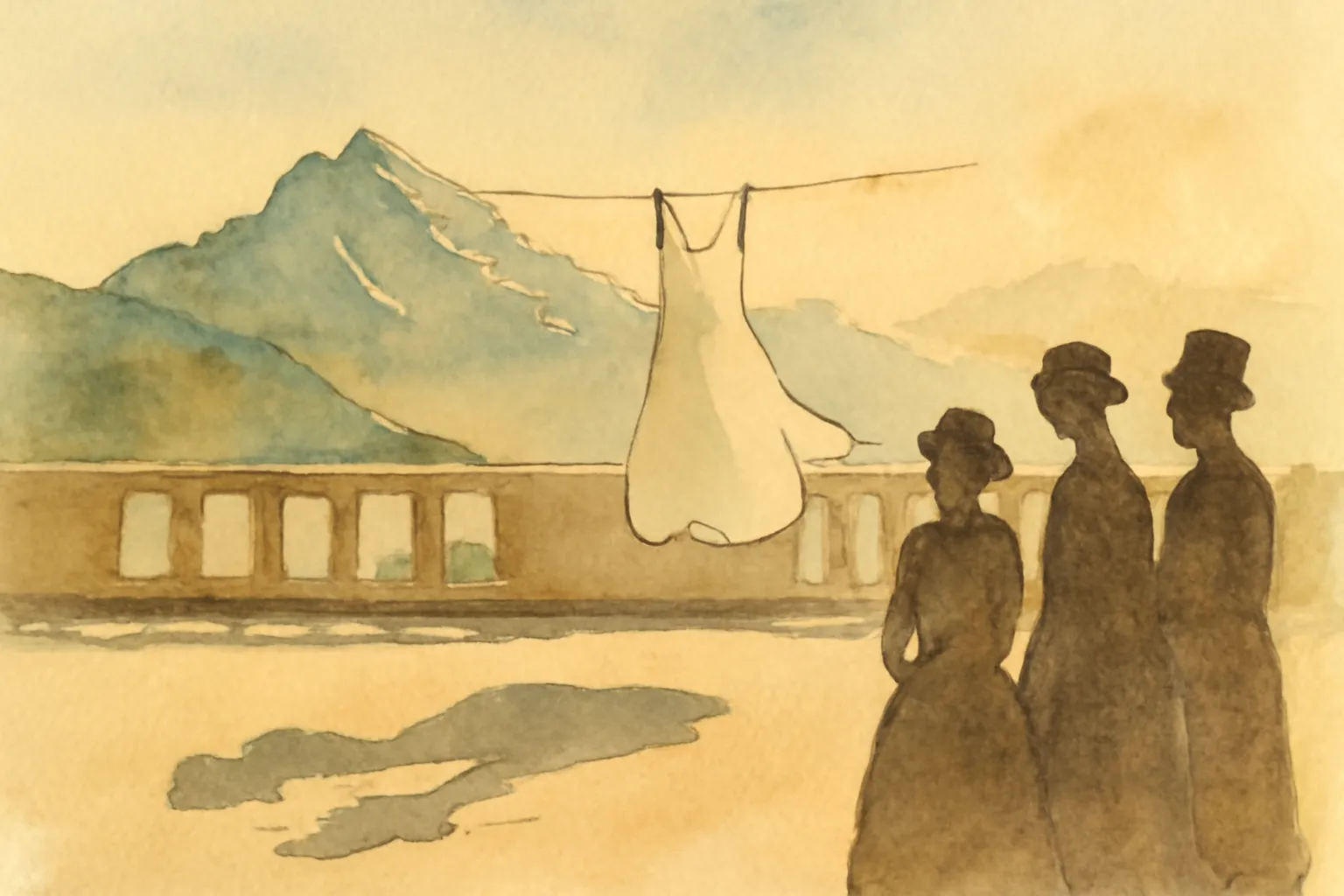
Set against the picturesque backdrop of Switzerland, 'Daisy Miller' by Henry James is a poignant exploration of cultural differences, societal expectations, and the complexities of personal identity. The story follows Daisy, a spirited young American woman, as she interacts with the genteel society of Europe, particularly through the eyes of Winterbourne, a fellow American who is both captivated and perplexed by her behavior. Readers will delve into themes of innocence versus sophistication, the influence of social class, and the often harsh judgments of society. Through Daisy's interactions and the perceptions of those around her, the novel raises questions about authenticity, the constraints of social decorum, and the often invisible boundaries that separate individuals from one another. This timeless narrative invites reflection on how cultural backgrounds shape our perceptions and interactions in a globalized world.
Daisy Miller is a timeless exploration of the interplay between innocence, societal expectations, and cultural identity. Through the lens of Daisy’s experiences, Henry James crafts a narrative that resonates with contemporary readers, prompting reflection on the complexities of human relationships and the often invisible barriers that exist between individuals. The novel serves as a mirror to our own social dynamics, revealing how judgments based on cultural norms can lead to tragic outcomes. As we navigate an increasingly interconnected world, Daisy's story remains relevant, urging us to consider the value of authenticity, the weight of societal expectations, and the importance of understanding and acceptance in our interactions with others.
Ratings at a glance
- 1The Allure of Innocence
- 2Cultural Clashes at Play
- 3The Role of Gender in Social Dynamics
- 4Winterbourne's Internal Conflict
- 5The Consequences of Social Judgment
Notable quotes
“I want to go there dreadfully. Of course I mean to go there.”
“I presume you will go in the cars.”
“It seems as if there was nothing she wouldn’t undertake.”
A glimpse inside

Daisy Miller embodies a fresh, unrefined sensibility that stands in stark contrast to the rigid social mores of European society. Read moreDaisy Miller embodies a fresh, unrefined sensibility that stands in stark contrast to the rigid social mores of European society. Her innocence is not just a lack of sophistication but a genuine approach to life that captivates Winterbourne. He is drawn to her spontaneity and openness, which represent a form of freedom that he finds lacking in his own social circle. Daisy’s directness, highlighted in her interactions with Winterbourne and others, reflects an unfiltered view of the world that is both enchanting and bewildering to those around her. However, this same innocence is perceived as a flaw by others who are steeped in the subtleties of social etiquette, making her an object of scrutiny and gossip. Daisy’s character challenges the notion of what it means to be 'cultured,' suggesting that innocence can possess its own kind of wisdom. As Winterbourne grapples with his attraction to Daisy, he must confront his own biases and the societal values that dictate behavior, illustrating a tension between personal desire and social expectation. Show less
The novel is steeped in the cultural contrasts between American and European sensibilities, a theme that is palpably felt in Daisy’s interactions. Read moreThe novel is steeped in the cultural contrasts between American and European sensibilities, a theme that is palpably felt in Daisy’s interactions. While the Americans, represented by Daisy and her family, embody a sense of informality and directness, the Europeans, such as Winterbourne and his social circle, adhere to a stricter code of conduct. This clash becomes particularly vivid when Daisy expresses a desire to visit the Chateau de Chillon, a local landmark. Her eagerness is met with skepticism, as her mother expresses doubts about the appropriateness of such excursions. Daisy’s behavior, which includes engaging with various individuals without the caution typically observed in European social circles, challenges the established norms of propriety. The tension escalates as Daisy’s behavior is scrutinized, leading to her ostracization by the very society she seeks to engage with. James uses these cultural differences to critique the pretensions of European society while simultaneously celebrating the freedom of the American spirit. The novel suggests that cultural identity shapes personal interactions and can lead to misunderstandings that have profound consequences, ultimately shining a light on the complex landscape of identity and belonging. Show less
Read the full text — free
About the author
Henry James has 7 works free to read on Lumina, including A Small Boy and Others, Embarrassments, The Finer Grain
All 7 books by Henry James →