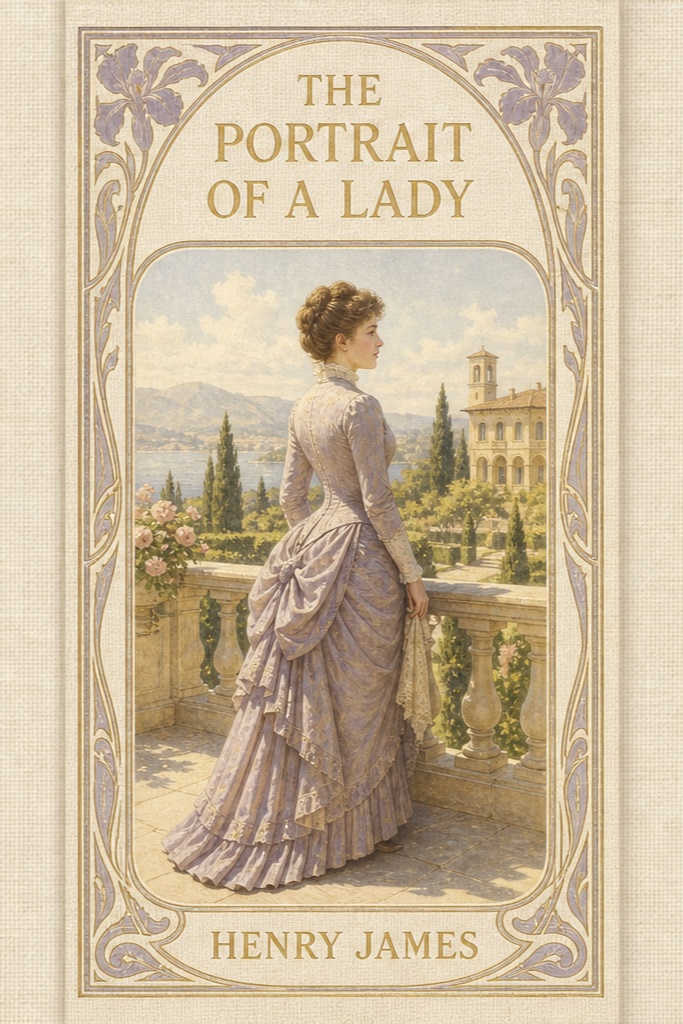

A spirited young American inherits a fortune and the freedom to choose her own life — only to be ensnared by charm and deceit. James’s masterpiece of independence, intimacy, and betrayal.
Read full overviewShow less›
Henry James's The Portrait of a Lady takes readers on an intricate exploration of the life and choices of Isabel Archer, a young American woman who travels to Europe with dreams of independence and self-discovery. As she navigates the social labyrinth of the Old World, Isabel is confronted with the realities of love, ambition, and societal expectations. The novel delves into themes of personal freedom versus societal constraints, the nature of relationships, and the often painful consequences of the choices we make. Through Isabel's relationships with various characters, including Lord Warburton, Ralph Touchett, and Madame Merle, readers are invited to reflect on the complexities of human desires and the profound impact of one's decisions. The narrative invites readers to consider what it truly means to be free and the price of that freedom.
The Portrait of a Lady is a profound exploration of the human condition, encapsulating the struggles of freedom, identity, and the consequences of choice. Through Isabel Archer's journey, Henry James invites readers to reflect on the complexities of life and the intricate web of relationships that shape our existence. The novel serves as a timeless reminder of the delicate balance between personal desires and societal expectations, urging individuals to navigate their paths with self-awareness and courage. Ultimately, Isabel's story resonates as a powerful commentary on the nature of independence and the sacrifices that often accompany the pursuit of true self-discovery. The lessons learned through her experiences remain relevant, offering insight into the ongoing quest for meaning and fulfillment in a complex world.
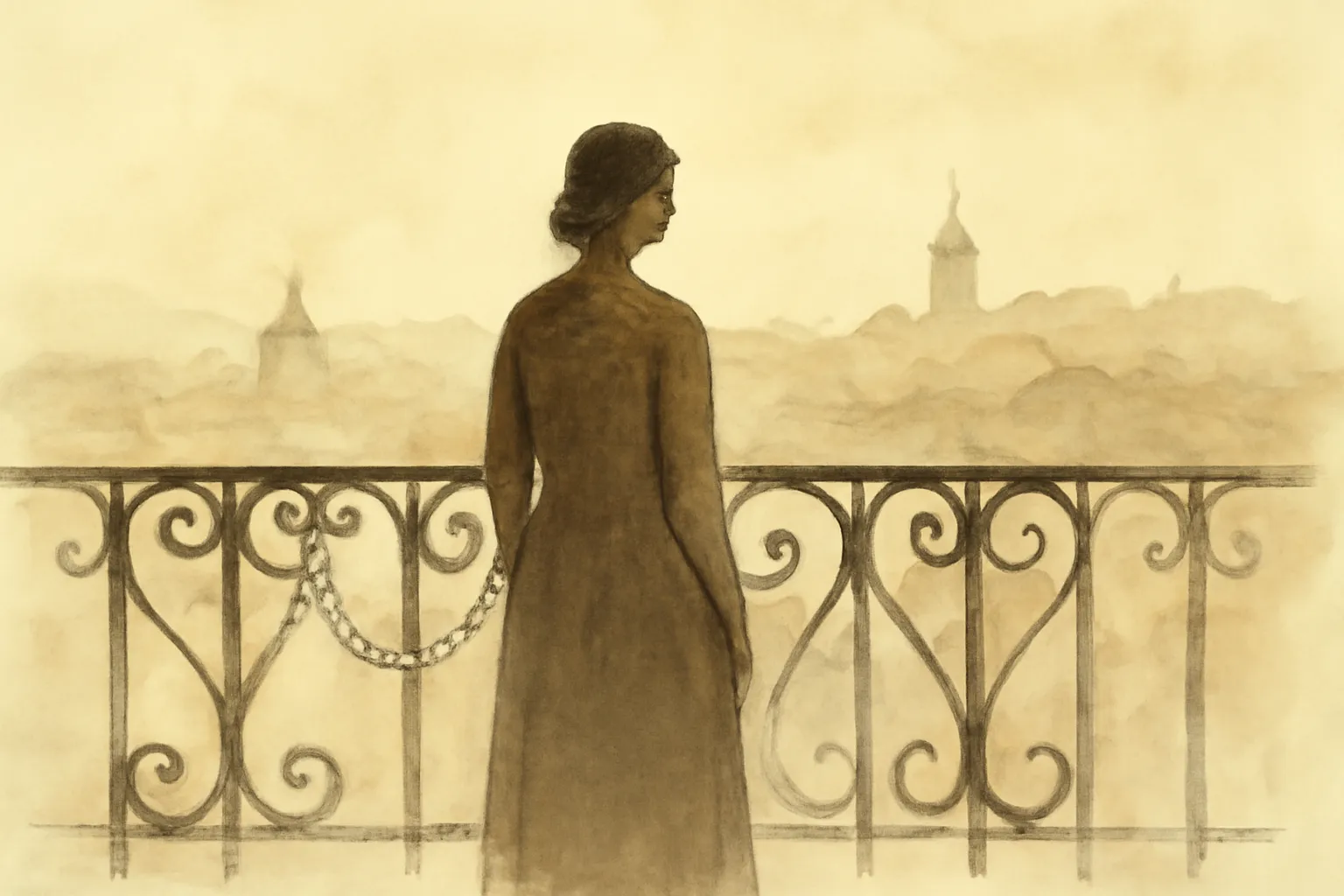
- 1The Allure of Independence
- 2The Weight of Societal Expectations
- 3The Complexity of Relationships
- 4The Illusion of Choice
- 5The Consequences of Self-Deception
A glimpse inside

Isabel Archer embodies the spirit of independence and self-determination, which was particularly resonant during the late 19th century. Read moreIsabel Archer embodies the spirit of independence and self-determination, which was particularly resonant during the late 19th century. From the outset, she is characterized as a young woman with many theories and a desire for autonomy. Her ambition to explore life beyond the confines of her American upbringing represents a crucial aspect of her character. Isabel's initial enthusiasm for freedom leads her to reject the traditional roles expected of women, such as marriage and domesticity. This desire for independence is vividly illustrated in her interactions with Ralph Touchett and Lord Warburton, where she contemplates the implications of marriage and the loss of her freedom. However, the complexity of her character reveals the tension between her aspirations and the realities of her choices, ultimately leading to the question of whether true freedom is achievable. Show less
Throughout the narrative, Isabel grapples with societal expectations that threaten to undermine her quest for independence. Read moreThroughout the narrative, Isabel grapples with societal expectations that threaten to undermine her quest for independence. The novel is set against the backdrop of a rigid social structure in which women are often relegated to subordinate roles. Isabel's encounters with characters like Mrs. Touchett and Madame Merle highlight the pressures exerted by societal norms. For instance, Mrs. Touchett's insistence on the practicalities of social standing and marriage serves as a reminder of the constraints that women face. Isabel's rejection of Lord Warburton's proposal is emblematic of her struggle against these expectations; she desires to assert her individuality rather than conform to the traditional path laid out for her. This tension between personal desire and social obligation is a recurring theme, illustrating how deeply ingrained societal values can conflict with the pursuit of personal happiness. Show less
Read the full text — free
About the author
Henry James has 3 works free to read on Lumina, including The Turn of the Screw, The Two Magics: The Turn of the Screw, Covering End.
All 3 books by Henry James →Frequently asked
Worlds to get lost in
Take Lumina everywhere
Read offline, listen to AI summaries, speed-read, and sync your progress across devices — free on iPhone.
Download for iPhone