1.The Allure of Independence
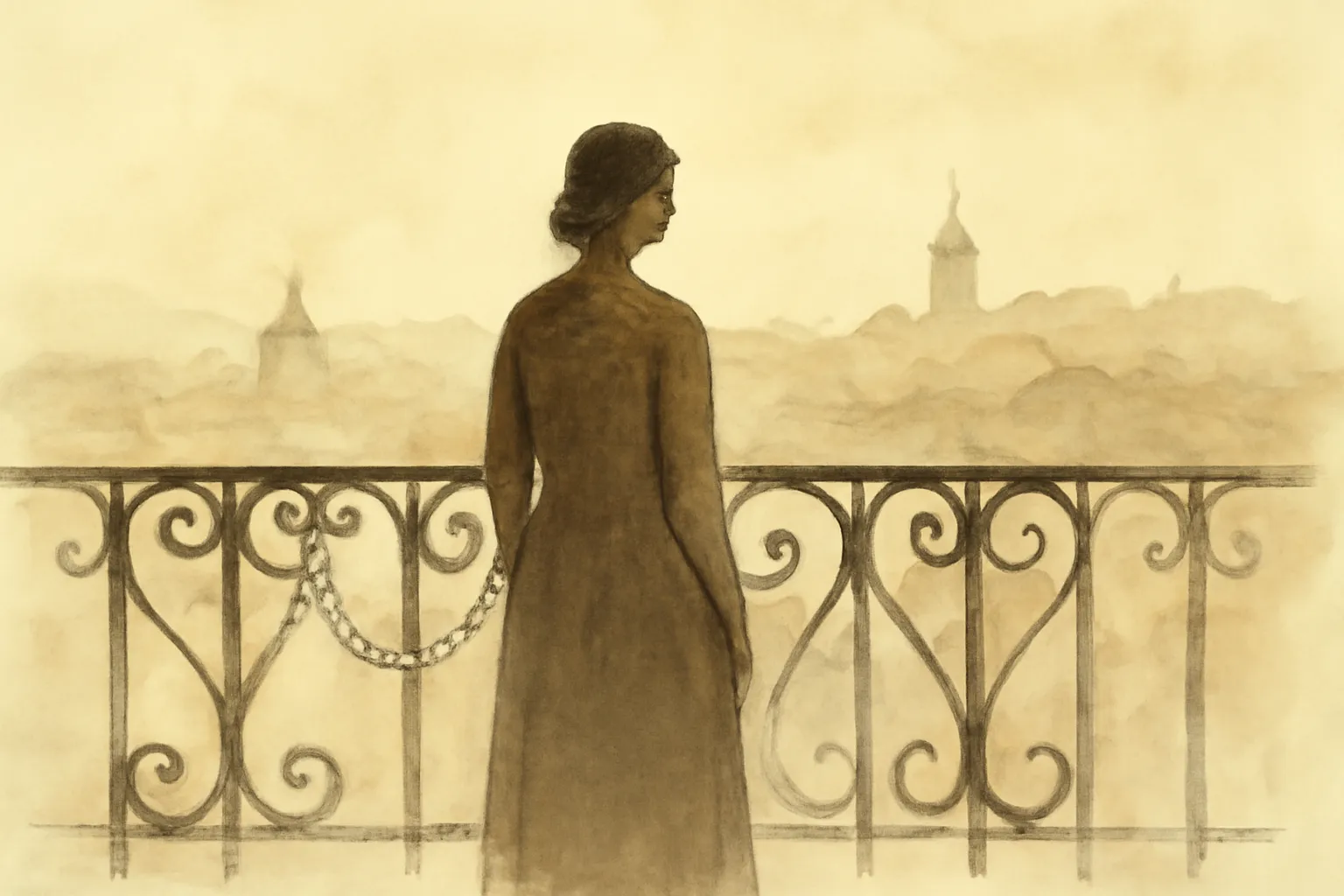
Isabel Archer embodies the spirit of independence and self-determination, which was particularly resonant during the late 19th century. From the outset, she is characterized as a young woman with many theories and a desire for autonomy. Her ambition to explore life beyond the confines of her American upbringing represents a crucial aspect of her character. Isabel's initial enthusiasm for freedom leads her to reject the traditional roles expected of women, such as marriage and domesticity. This desire for independence is vividly illustrated in her interactions with Ralph Touchett and Lord Warburton, where she contemplates the implications of marriage and the loss of her freedom. However, the complexity of her character reveals the tension between her aspirations and the realities of her choices, ultimately leading to the question of whether true freedom is achievable.
2.The Weight of Societal Expectations
Throughout the narrative, Isabel grapples with societal expectations that threaten to undermine her quest for independence. The novel is set against the backdrop of a rigid social structure in which women are often relegated to subordinate roles. Isabel's encounters with characters like Mrs. Touchett and Madame Merle highlight the pressures exerted by societal norms. For instance, Mrs. Touchett's insistence on the practicalities of social standing and marriage serves as a reminder of the constraints that women face. Isabel's rejection of Lord Warburton's proposal is emblematic of her struggle against these expectations; she desires to assert her individuality rather than conform to the traditional path laid out for her. This tension between personal desire and social obligation is a recurring theme, illustrating how deeply ingrained societal values can conflict with the pursuit of personal happiness.
3.The Complexity of Relationships
Isabel's relationships with the men in her life reveal the complexities of human connection and the often conflicting desires at play. Ralph Touchett, her cousin, represents a voice of reason and support, yet he is also a figure of constraint; his feelings for Isabel complicate their relationship. Similarly, Lord Warburton offers Isabel the stability of a conventional marriage, yet his proposal is met with her resistance as she fears it would compromise her independence. The introduction of Madame Merle adds another layer of complexity; her manipulative influence on Isabel's life raises questions about loyalty and betrayal. Isabel’s interactions with these characters illustrate the intricacies of love, friendship, and the social games people play. Each relationship serves as a mirror reflecting Isabel's evolving sense of self and her struggle to balance personal desires with the expectations of others.
4.The Illusion of Choice
Isabel's journey is marked by a series of choices that ultimately reveal the illusion of free will in the face of societal pressures and personal desires. While Isabel believes she is making independent choices, many of her decisions are influenced by external factors, including the expectations of her friends and family. For example, her decision to marry Gilbert Osmond, influenced by Madame Merle's subtle machinations, suggests that her autonomy is compromised. This theme of illusion extends to the notion of the 'American' character versus the 'European' experience; Isabel's American ideals clash with the realities of European society, leading her to question her identity and the authenticity of her choices. The narrative challenges readers to consider the extent to which individuals are truly free to make choices when those choices are often shaped by external influences.
5.The Consequences of Self-Deception
Isabel’s self-deception plays a critical role in her development throughout the novel. Initially, she perceives herself as a strong, independent woman capable of navigating the complexities of European society. However, as the story unfolds, it becomes evident that Isabel is often blind to the realities of her situation and the motivations of those around her. Her refusal to see the manipulative nature of Madame Merle and the emotional limitations of Gilbert Osmond leads to her eventual entrapment. The consequences of this self-deception are profound, highlighting the dangers of idealism when it is not grounded in reality. Isabel's journey serves as a cautionary tale about the perils of ignoring the truth in favor of a romanticized vision of life, reminding readers that self-awareness is key to genuine freedom.
6.The Role of Money and Power
The interplay of money and power is a significant theme in The Portrait of a Lady, influencing the relationships and decisions of the characters. Isabel's financial independence, inherited from her uncle, positions her uniquely in a society where wealth often dictates social standing. This wealth grants her a degree of freedom but also attracts the attention of those who seek to manipulate her for their gain, notably Gilbert Osmond and Madame Merle. Their interest in her fortune complicates her quest for genuine connections, as it raises questions about the authenticity of their affections. The novel critiques the commodification of relationships, suggesting that financial considerations can overshadow emotional truths. Isabel's struggle to maintain her autonomy in a world where money equates to power highlights the intricate dynamics at play in human relationships.
7.The Search for Identity
Isabel's journey is fundamentally a search for identity, as she navigates the complexities of her own desires against the backdrop of societal expectations. Her American background instills in her a sense of possibility and ambition, yet her experiences in Europe challenge her understanding of herself. As she confronts various characters who embody different aspects of society, Isabel's identity is tested and reshaped. Her interactions with Ralph, Lord Warburton, and Madame Merle force her to confront her values and beliefs, leading her to reevaluate her aspirations. This search for identity culminates in her ultimate decision about marriage and personal fulfillment, illustrating the fluidity of identity and the impact of experiences on self-perception. Isabel’s evolution reflects the broader human experience of grappling with self-identity in a complex world.
8.The Tragedy of Missed Opportunities
The theme of missed opportunities permeates Isabel's narrative, underscoring the tragic consequences of her decisions. Each choice she makes comes with the weight of potential paths not taken, leading to a sense of regret and longing. Her refusal of Lord Warburton's proposal symbolizes not just the rejection of a marriage but also the relinquishment of a life that could have offered her security and happiness. Similarly, her later marriage to Gilbert Osmond, driven by misguided ideals, represents a missed opportunity for genuine love and companionship. This tragic element serves to highlight the unpredictability of life and the often irreversible nature of choices. Isabel's journey becomes a poignant exploration of how the fear of making the wrong decision can lead to a life filled with unfulfilled potential and sorrow.
9.The Impact of Culture on Personal Growth
Isabel's experiences in Europe serve as a catalyst for her personal growth, illustrating how culture shapes individual identity and aspirations. The contrast between her American upbringing and the European social landscape forces Isabel to confront her values and beliefs. As she interacts with various characters, she is exposed to different perspectives that challenge her understanding of freedom, love, and success. This cultural immersion enriches Isabel's character, providing her with a broader worldview while simultaneously complicating her sense of self. The novel emphasizes the transformative power of culture, suggesting that exposure to new ideas and experiences can lead to profound personal development. Isabel's journey reflects the universal struggle of reconciling one's roots with the influence of the broader world.