Fiction · Psychology · Short Reads
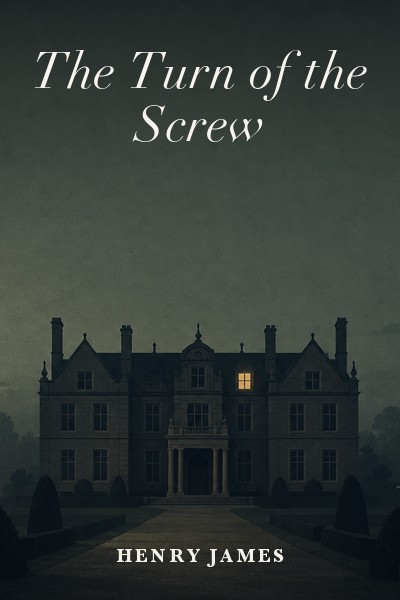
The Turn of the Screw by Henry James — Summary, Key Ideas & Full Text
139 pages25 chapters2h 48m read1h 59m speed read✦ 8-min Big ideas★ 3.7 (44)Free · no account
Rate it
Henry James's 'The Turn of the Screw' explores the haunting complexities of innocence and evil through the eyes of a governess confronted with supernatural forces
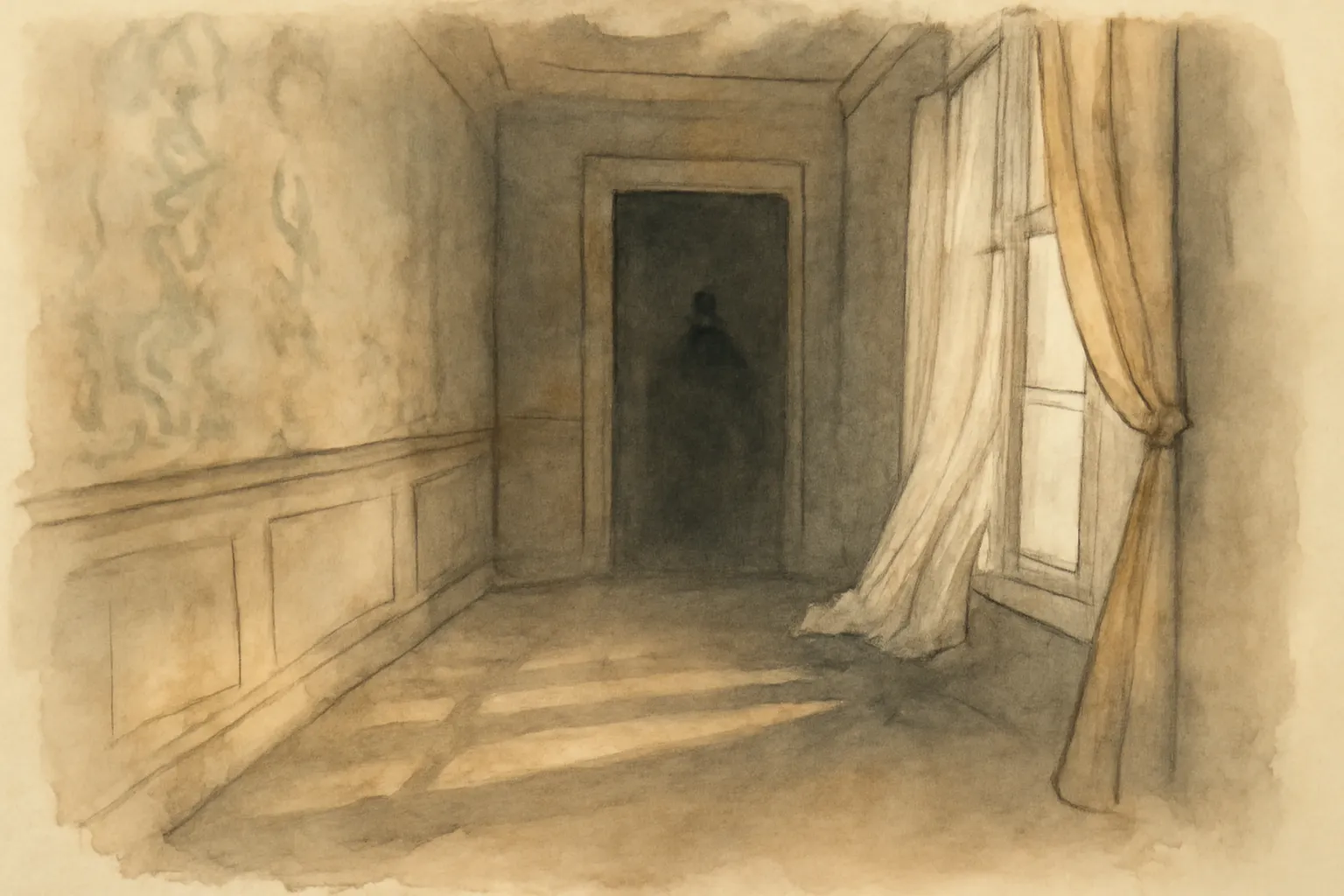
In 'The Turn of the Screw', Henry James intricately weaves a tale of psychological horror that delves into themes of innocence, manipulation, and the ambiguity of perception. The story follows a young governess who is tasked with caring for two beautiful children, Miles and Flora, at the remote estate of Bly. As she becomes increasingly aware of the sinister apparitions haunting the estate, she grapples with the nature of evil and the vulnerability of childhood. This chilling narrative invites readers to question what is real and what is imagined, all while navigating the murky waters of desire, duty, and the unknown. By the end, you will be left pondering the boundaries between reality and illusion, and the profound impact of our perceptions on the world around us.
Henry James’s 'The Turn of the Screw' remains a powerful exploration of the psychological complexities that underpin human relationships, particularly in the context of childhood innocence and adult responsibility. The story deftly navigates themes of perception, isolation, and the nature of evil, inviting readers to ponder the boundaries between reality and imagination. Through the governess’s harrowing journey, we are compelled to confront our own fears and the potential darkness that lurks within us all. Ultimately, the novella serves as a timeless reminder of the fragility of innocence and the profound impact of our perceptions on the world around us. As we reflect on the governess’s experiences, we are left with lingering questions about the nature of truth and the haunting power of suggestion.
Henry James has 7 works free to read on Lumina, including A Small Boy and Others, Daisy Miller, Embarrassments
All 7 books by Henry James →