1.The Fragility of Innocence
The governess’s initial perception of Miles and Flora is one of pure innocence and beauty, which she cherishes deeply. Her adoration for the children shapes her understanding of their character, leading her to believe in their inherent goodness. However, as supernatural events unfold, her perspective shifts dramatically. The children’s innocence becomes a focal point for the governess's fears and suspicions, revealing how fragile this innocence truly is. Their beauty and charm mask deeper, possibly sinister, truths about their experiences and the influences that surround them. This duality raises profound questions about the nature of childhood and how external forces can corrupt or challenge innocence.
2.The Power of Suggestion
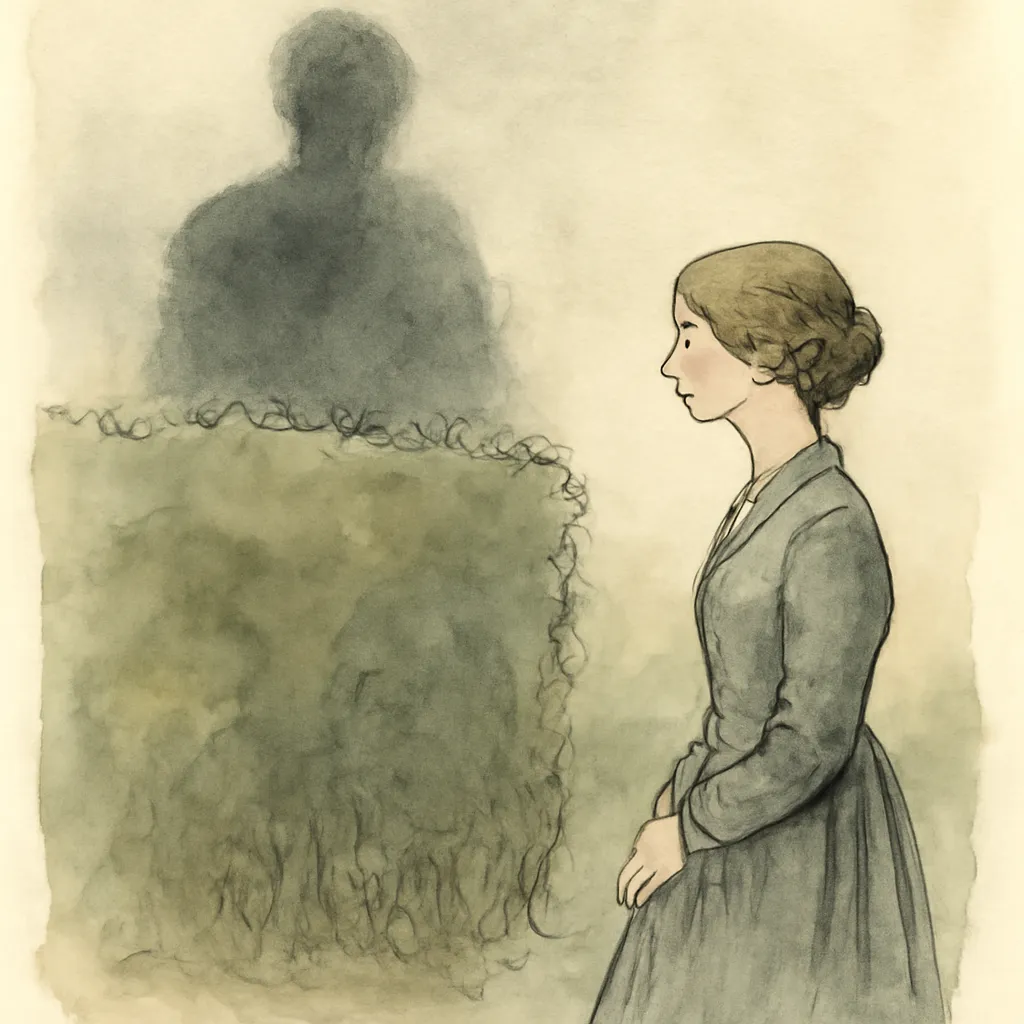
Throughout the narrative, suggestion plays a critical role in shaping perceptions and actions. The governess, isolated at Bly, becomes increasingly susceptible to her own fears and doubts, leading her to interpret innocuous events through a lens of horror. The introduction of apparitions, particularly that of Peter Quint and Miss Jessel, serves as a catalyst for the governess’s unraveling. Her belief in their malevolence and the connection to the children becomes a self-fulfilling prophecy, as her paranoia influences her interactions with Miles and Flora. This dynamic illustrates how powerful suggestion can distort reality, leading individuals to act against their better judgment and in ways that may cause harm.
3.Ambiguity of Reality
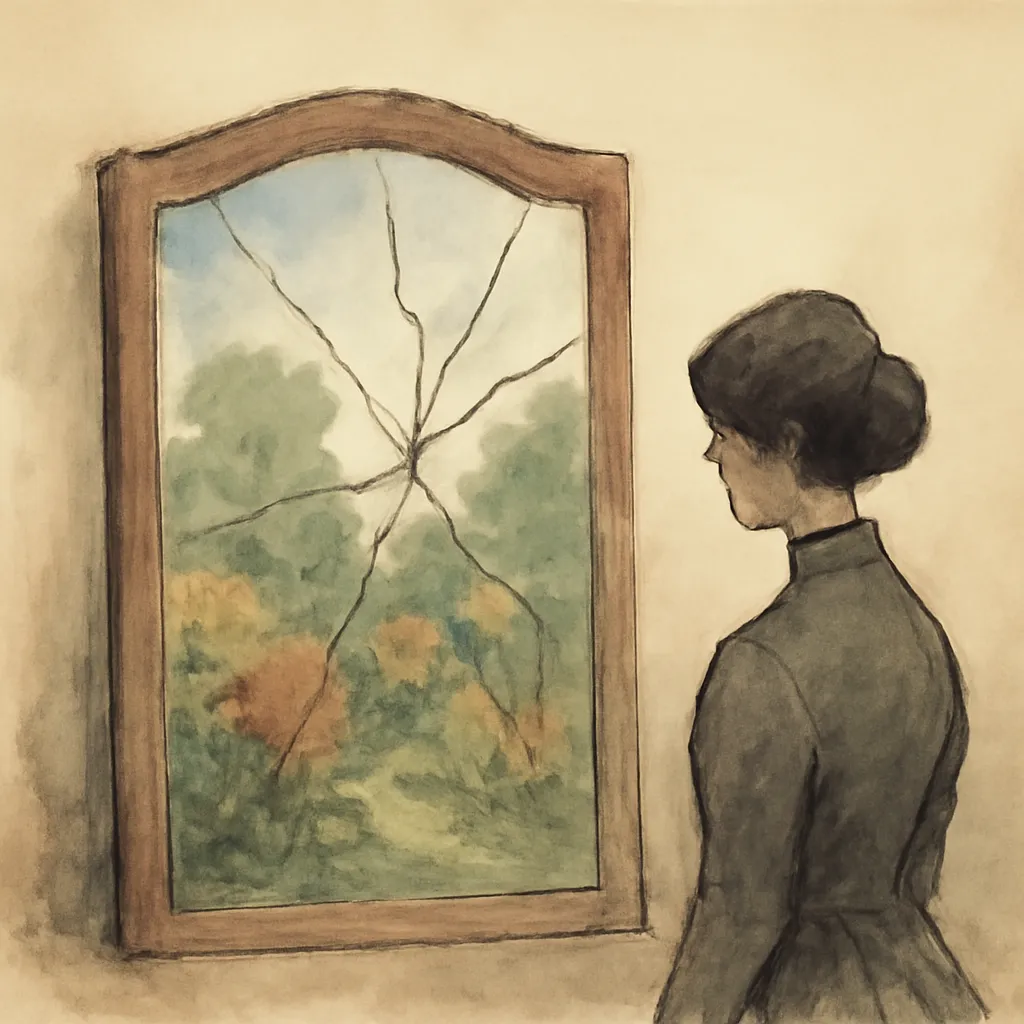
One of the most compelling aspects of 'The Turn of the Screw' is its exploration of the ambiguity of reality. The governess's experiences are steeped in uncertainty, leaving readers questioning the reliability of her perspective. Are the ghosts real, or are they manifestations of her mind under stress? This ambiguity is accentuated by the children’s responses, which often deflect direct engagement with the apparitions. The narrative structure invites readers to grapple with their interpretations of events, creating a tension between belief and skepticism. This uncertainty reflects broader themes of perception and the subjective nature of reality, urging readers to consider how personal biases shape our understanding of the world.
4.The Role of Isolation
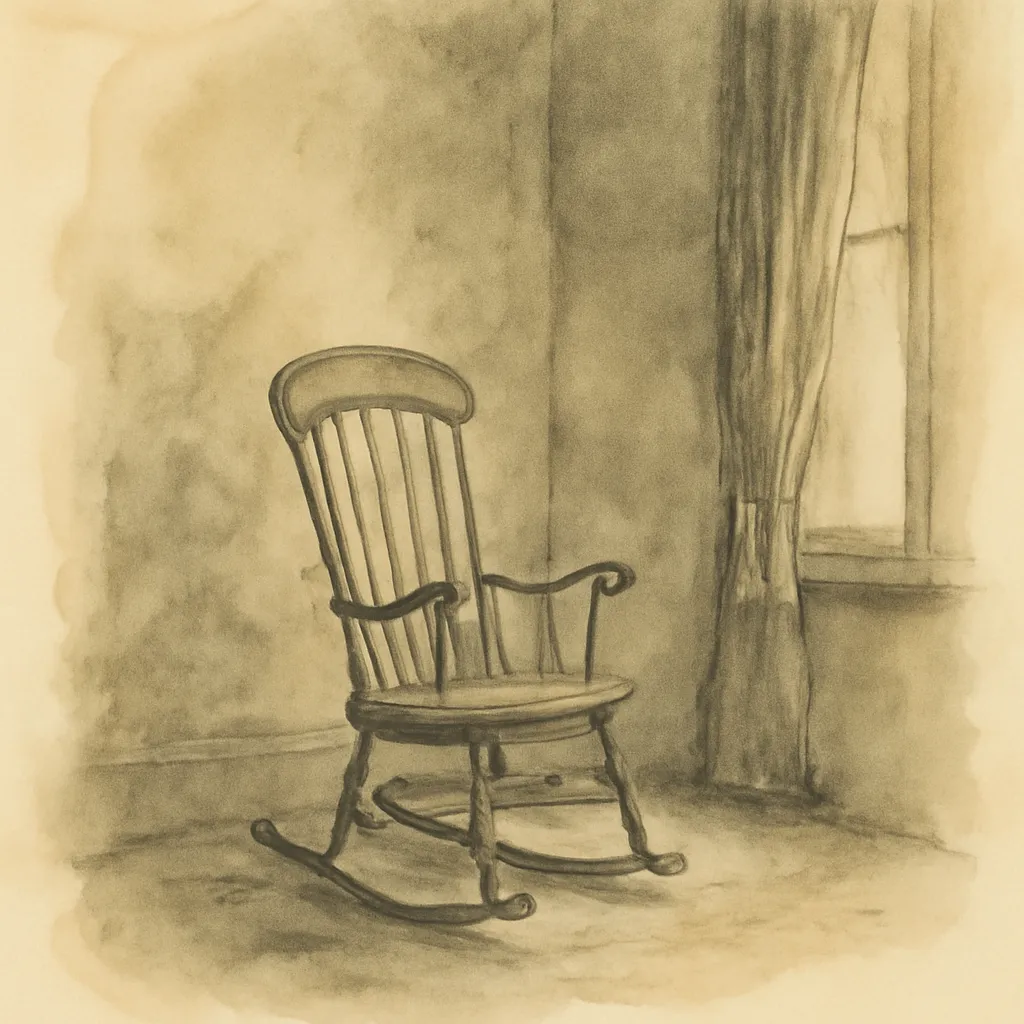
Isolation is a pervasive theme in the governess's experience at Bly. Removed from the outside world and cut off from support, she becomes increasingly isolated in her thoughts and fears. This physical and emotional distance amplifies her vulnerability, making her more susceptible to the haunting influences of the estate. As she navigates her duties, the absence of other adult perspectives leaves her to interpret the children’s behavior and the apparitions alone. This isolation not only heightens her sense of dread but also serves to intensify the psychological horror of the narrative. The lack of external validation for her experiences leads to a deepening sense of paranoia and confusion, illustrating the dangers of solitude in the face of existential threats.
5.The Nature of Evil
The text raises critical questions about the nature of evil and its manifestations. Are the apparitions of Peter Quint and Miss Jessel embodiments of evil, or do they represent the darker aspects of human nature that can infiltrate innocence? The governess grapples with her moral responsibilities towards the children as she confronts these spectral figures. Her struggle to protect Miles and Flora from perceived threats reveals her own fears about corruption and moral failure. The story suggests that evil is not merely an external force but can exist within individuals, complicating the notion of guilt and blame. This exploration of evil challenges readers to consider the complexities of morality and the factors that contribute to one’s actions.
6.The Governess as Unreliable Narrator
The governess serves as an unreliable narrator, which complicates readers' engagement with the narrative. Her intense emotions and psychological turmoil cloud her judgment, leading to a skewed portrayal of events. As her mental state deteriorates, the distinction between reality and imagination blurs, leaving readers questioning her credibility. The ambiguity surrounding her reliability invites speculation about her motivations and the authenticity of her experiences. This narrative choice enhances the story's psychological depth, as readers must navigate the complexities of truth and perception. By presenting the story through the governess's perspective, James crafts a haunting exploration of the human psyche and its vulnerabilities.
7.The Importance of Power Dynamics
Power dynamics play a crucial role in the relationships among the characters, particularly between the governess, Miles, and Flora. The governess, as the authority figure, is tasked with the responsibility of protecting the children, yet she finds herself increasingly at their mercy. Miles, in particular, exerts a subtle influence over her, challenging her authority while simultaneously embodying innocence. This shifting dynamic complicates the governess’s position, as her need to maintain control clashes with her emotional attachment to the children. The interplay of power and vulnerability highlights the complexities of their relationships, revealing how innocence can wield power over authority and influence perceptions of safety and danger.
8.The Symbolism of the Estate
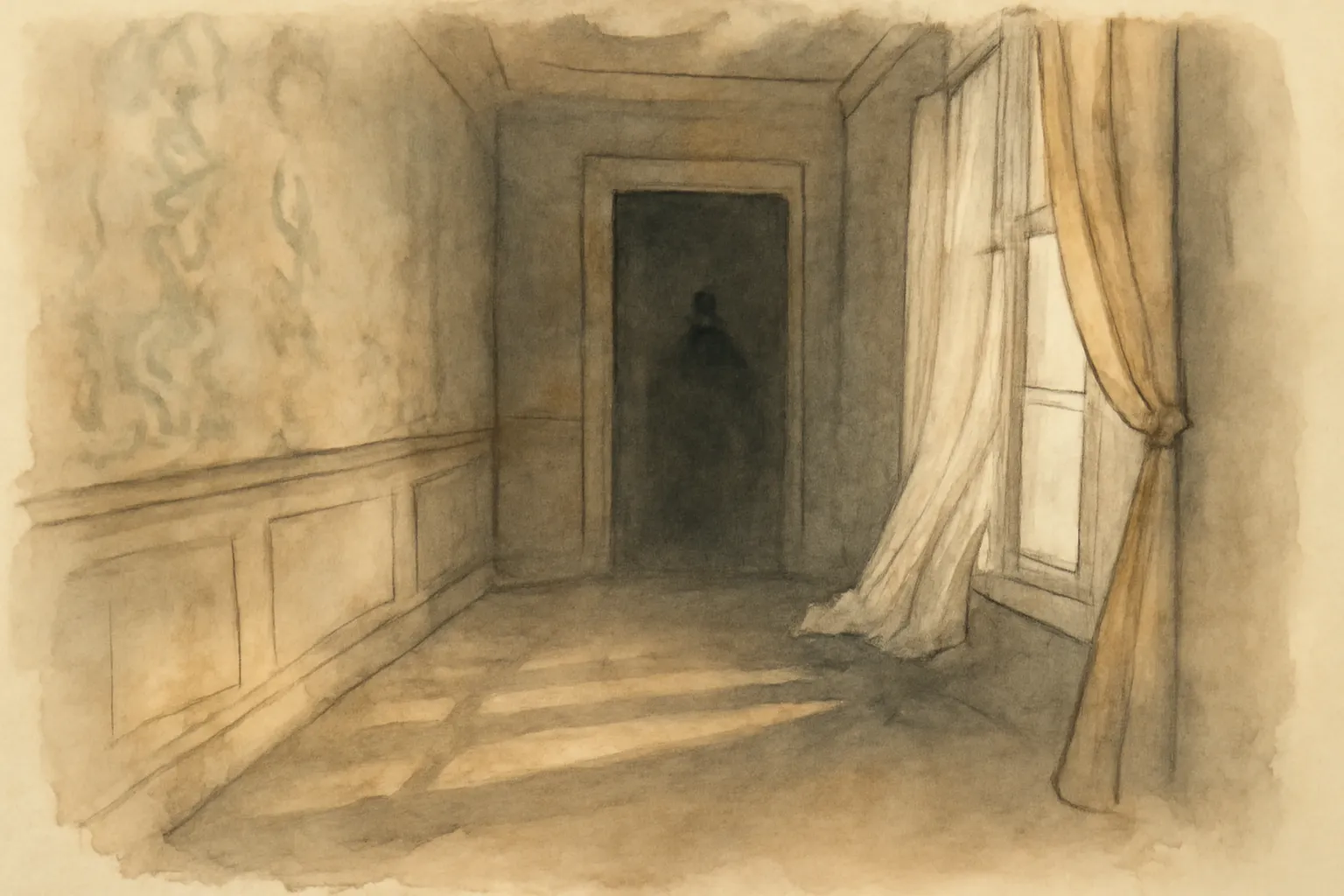
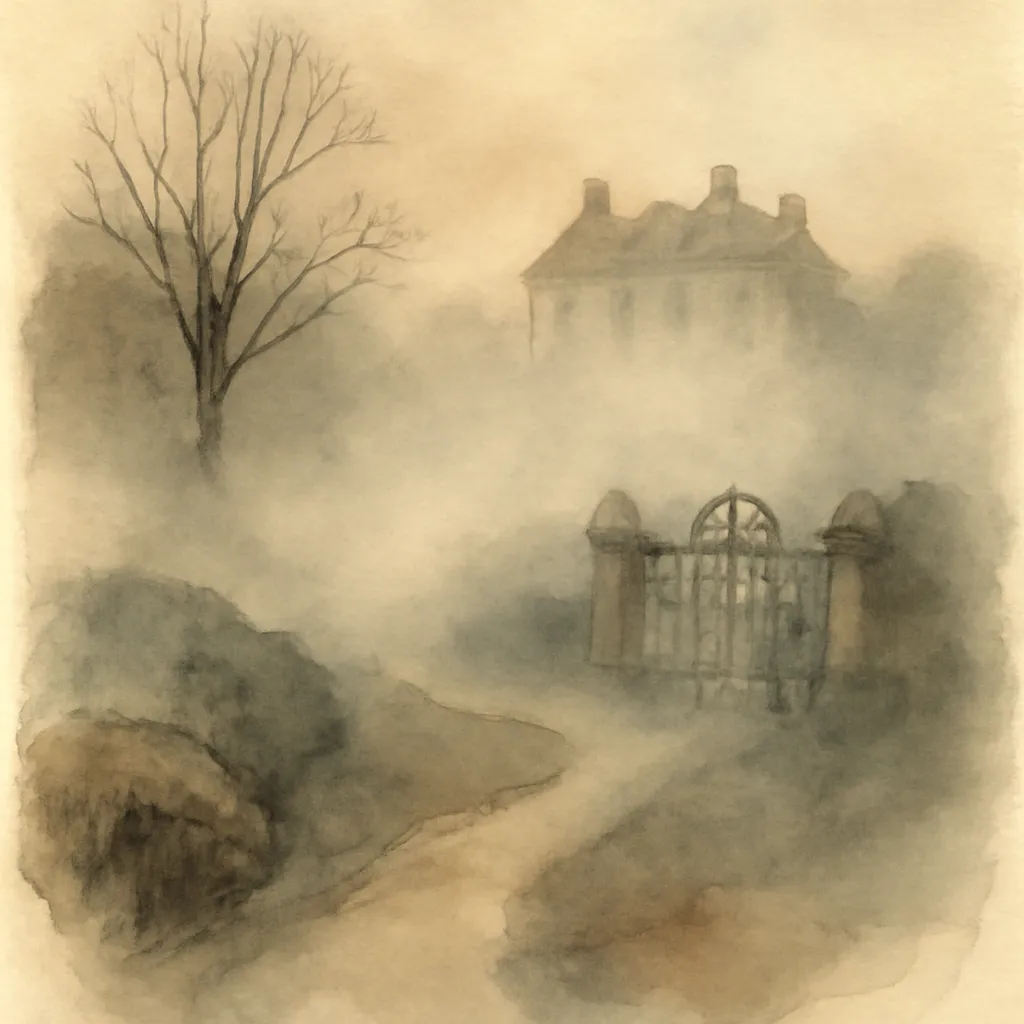
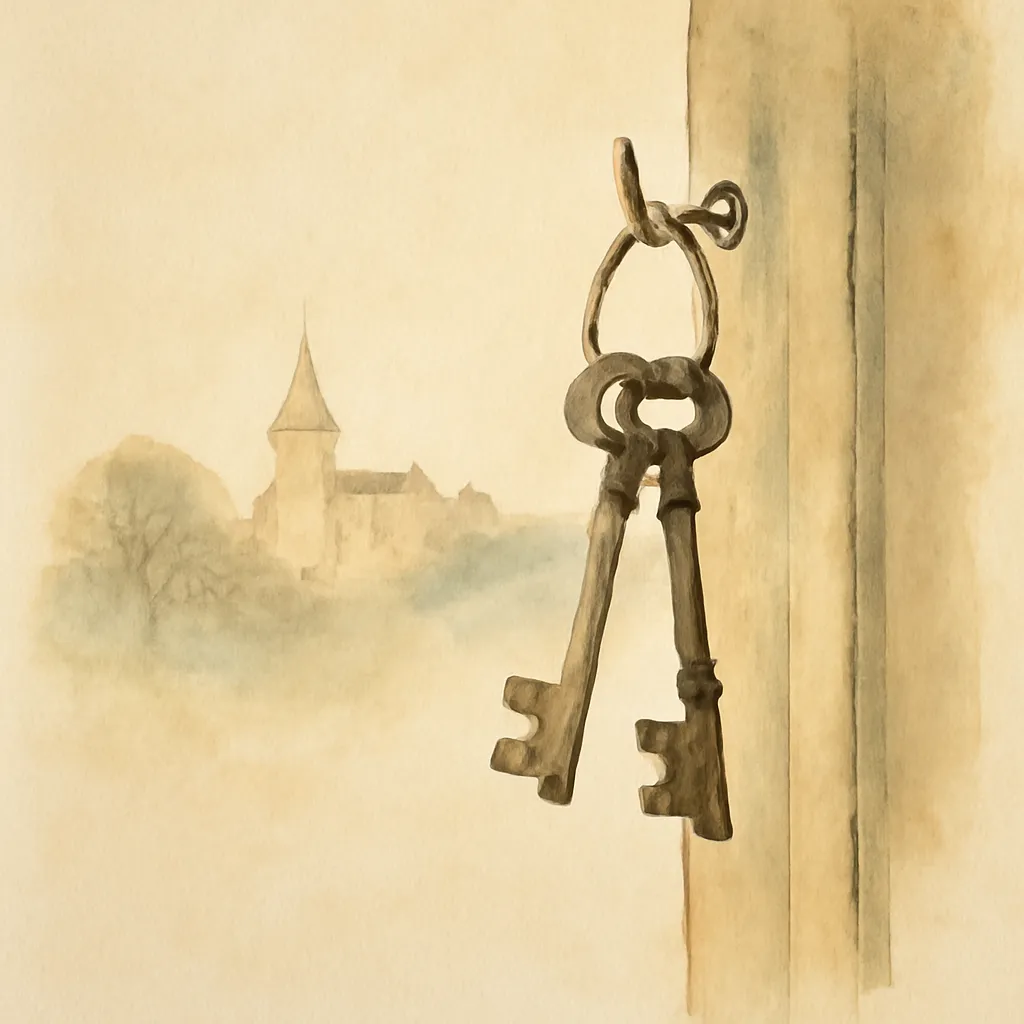
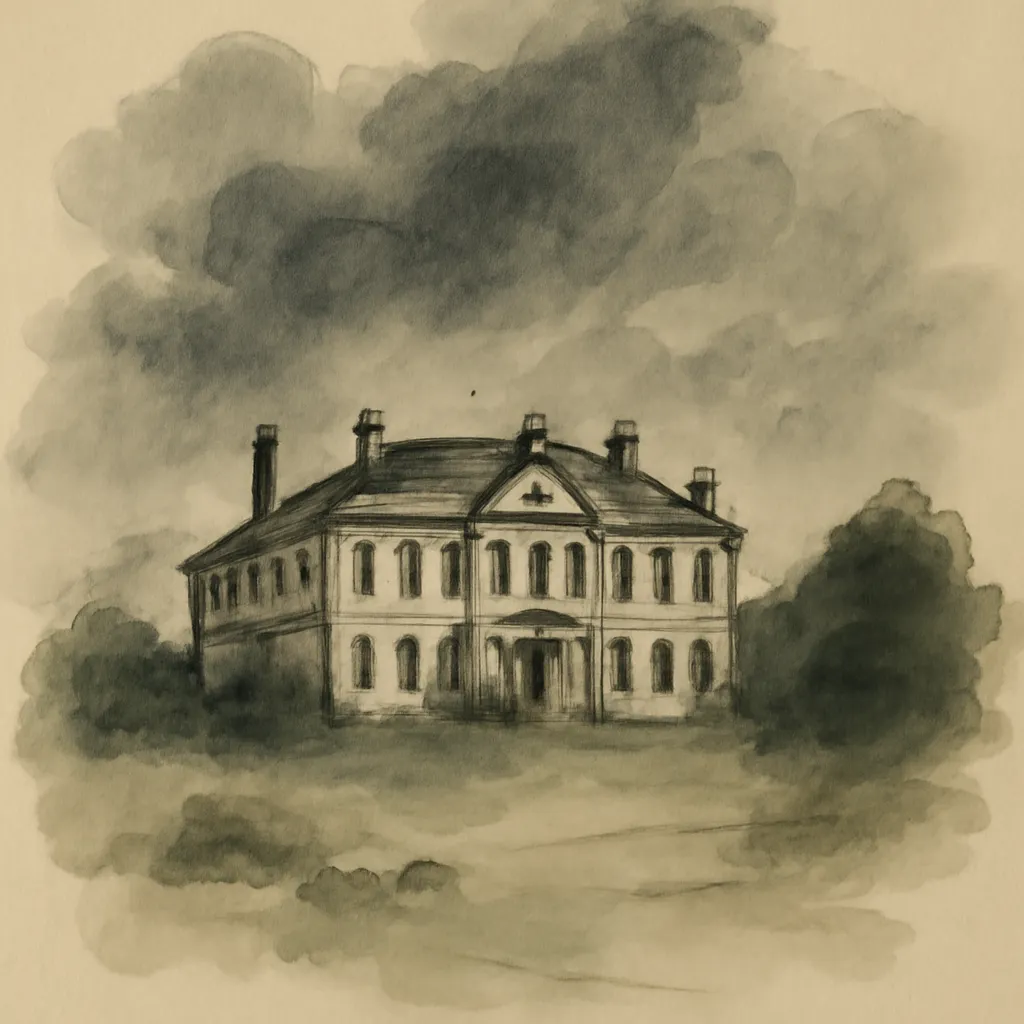
Bly itself serves as a significant symbol within the narrative, representing both beauty and horror. The estate’s picturesque facade contrasts sharply with the dark secrets it harbors, mirroring the duality of the children’s innocence and the lurking evil. The isolation of the estate amplifies the sense of entrapment and fear experienced by the governess. As she navigates its corridors and grounds, the physical space becomes a reflection of her psychological state. The oppressive atmosphere of Bly contributes to her descent into paranoia, illustrating how environment can shape one’s mental and emotional experiences. The estate’s dual nature serves as a reminder that appearances can be deceiving, leading to profound implications about the nature of reality.
9.The Complexity of Childhood
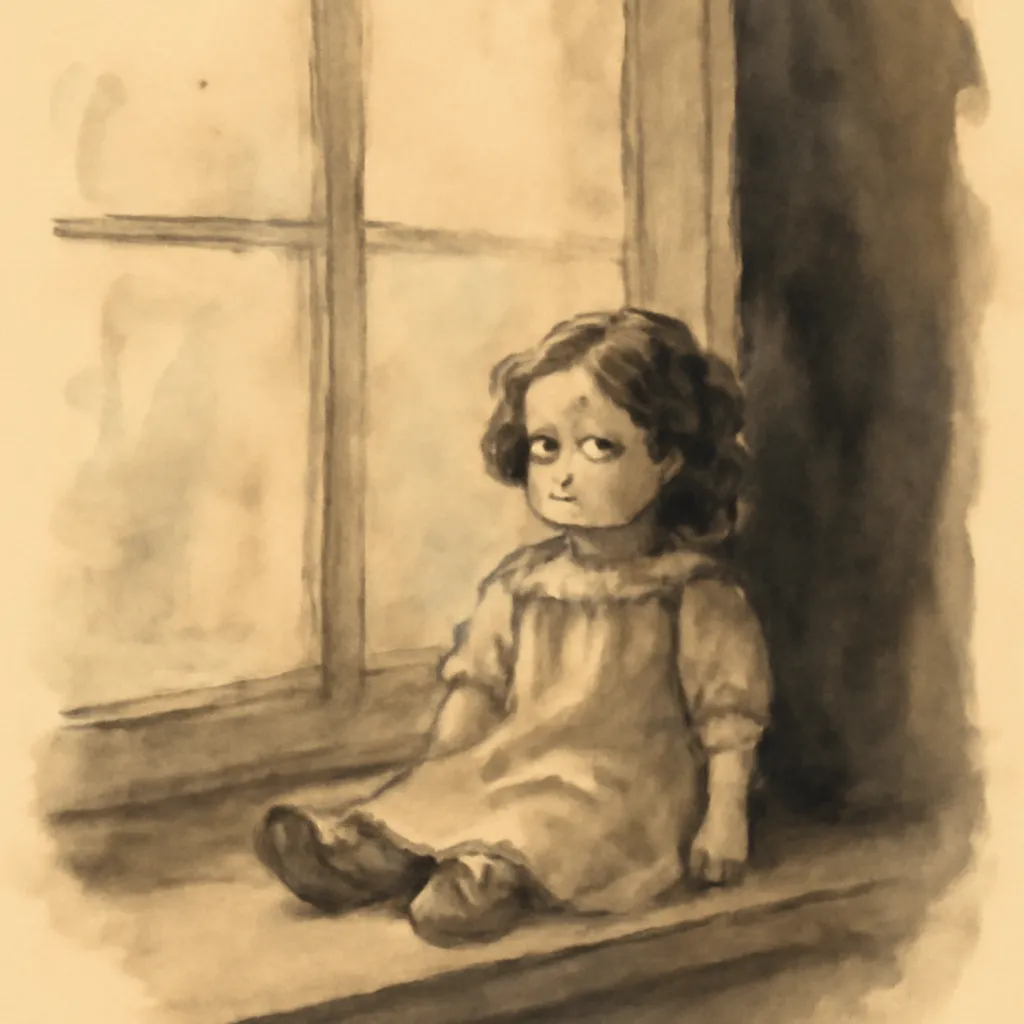
James presents a nuanced portrayal of childhood that challenges traditional notions of innocence. Miles and Flora are depicted as charming and delightful, yet their interactions with the governess hint at deeper complexities. Their seemingly innocent behavior is layered with implications of knowledge and awareness that unsettle the governess. The narrative raises questions about what children may perceive and understand, juxtaposing their innocence with the potential for manipulation and darkness. This complexity serves to illustrate the multifaceted nature of childhood, where innocence coexists with the potential for knowledge of adult concerns, including desire, fear, and evil. This portrayal invites readers to reflect on the intricacies of childhood and the impact of adult influences.
10.The Consequences of Repression
The interplay of repression and desire is a central theme in 'The Turn of the Screw.' The governess's attempts to maintain control over her emotions and perceptions lead to a build-up of tension that ultimately manifests as fear and paranoia. Her repression of desires—whether for connection, safety, or understanding—fuels her obsession with the apparitions and her protective instincts towards the children. This dynamic illustrates how unacknowledged fears and desires can shape behavior, often leading to destructive outcomes. The story serves as a cautionary tale about the dangers of repression, suggesting that failing to confront one’s emotions can lead to psychological turmoil and the emergence of darker forces.