
A Small Boy and Others captures the intricate tapestry of childhood memories and the powerful influence of family dynamics on the development of one of America's greatest literary figures
Read full overviewShow less›
Henry James' memoir, A Small Boy and Others, offers a vivid and introspective glimpse into the formative years of William James, one of the most influential philosophers and psychologists of the 19th century. Through a series of reflective vignettes, James explores the nuances of family life, education, and social interactions that shaped his early experiences and intellectual development. The book is a rich tapestry of memory, blending nostalgia with critical observation, revealing how the interplay of affection, admiration, and sibling rivalry informed not only William's character but also his philosophical outlook. Readers will gain insight into the complexities of childhood and the intricate relationships that mold a person's identity, making it a compelling read for anyone interested in psychology, philosophy, or literary history.
A Small Boy and Others stands as a testament to the intricate interplay of memory, family, and personal identity that shapes human experience. Through Henry James' reflective prose, readers are invited to explore the complexities of childhood and the lasting impact of familial relationships. The memoir not only sheds light on the formative years of William James but also serves as a broader commentary on the nature of memory and the role it plays in constructing our identities. By examining the threads that weave together personal narratives, James encourages a deeper understanding of how our pasts inform our presents, making this work a poignant exploration of the human condition.
Ratings at a glance
- 1Memory as a Living Entity
- 2The Influence of Education
- 3Social Dynamics and Family Life
- 4The Role of Place in Memory
- 5Childhood and the Birth of Imagination
Notable quotes
“To recover anything like the full treasure of scattered, wasted circumstance was at the same time to live over the spent experience itself.”
“We were day-boys, William and I, at dispensaries of learning the number and succession of which to-day excite my wonder.”
“The not very glorious smoke of the Mexican War, I note for another touch, had been in the air when I was a still smaller boy.”
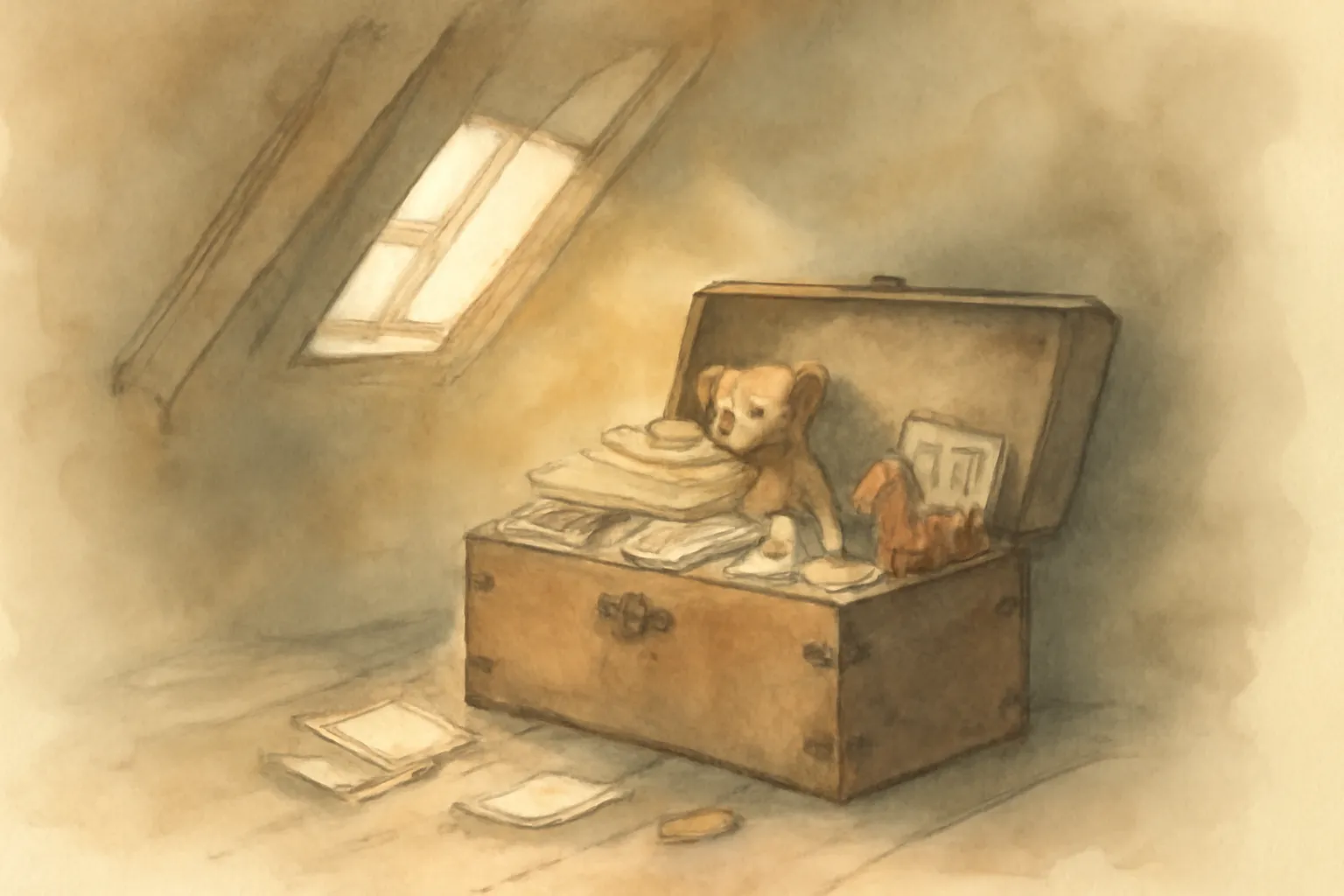
A glimpse inside

James portrays memory not merely as a passive recall of the past but as a vibrant force that shapes one’s identity. He emphasizes how revisiting childhood experiences all… Read moreJames portrays memory not merely as a passive recall of the past but as a vibrant force that shapes one’s identity. He emphasizes how revisiting childhood experiences allows him to reconstruct the emotional landscape of his early years. This exploration is not just about the facts of his upbringing but about the feelings and atmospheres that accompanied them. For instance, he reflects on the 'blessed group' of his family, highlighting how the interplay of personalities created a rich, interwoven tapestry of shared experiences. He mentions how recollecting particular moments brings back not only the events but the feelings associated with them, illustrating the complexity of memory. This notion of memory as a living entity suggests that our past is not a fixed narrative but a dynamic process that continuously informs our present, making memory a crucial aspect of identity formation. Show less
The memoir delves into the various educational environments that William and his siblings were exposed to, revealing how these experiences influenced their intellectual g… Read moreThe memoir delves into the various educational environments that William and his siblings were exposed to, revealing how these experiences influenced their intellectual growth. James recalls the 'day-boys' status of him and William, moving through multiple schools with a sense of wonder and bewilderment. This constant flux reflects the educational landscape of the time, characterized by its lack of stability. The presence of instructresses rather than instructors left a mark on his self-esteem and sense of worth, reflecting gender dynamics of the era. He vividly describes the figures of Miss Rogers and Mrs. Daly, whose contrasting teaching styles left indelible impressions on him. Miss Rogers, with her strict discipline, and Mrs. Daly, who offered a more nurturing approach, served as archetypes of educational authority in a time when women were finding their roles in academia. This commentary on education highlights how the quality and nature of instruction can profoundly affect a child's self-perception and intellectual curiosity, shaping not only their academic trajectory but also their emotional and social development. Show less
Read the full text — free
About the author
Henry James has 7 works free to read on Lumina, including Daisy Miller, Embarrassments, The Finer Grain
All 7 books by Henry James →