1.Memory as a Living Entity
James portrays memory not merely as a passive recall of the past but as a vibrant force that shapes one’s identity. He emphasizes how revisiting childhood experiences allows him to reconstruct the emotional landscape of his early years. This exploration is not just about the facts of his upbringing but about the feelings and atmospheres that accompanied them. For instance, he reflects on the 'blessed group' of his family, highlighting how the interplay of personalities created a rich, interwoven tapestry of shared experiences. He mentions how recollecting particular moments brings back not only the events but the feelings associated with them, illustrating the complexity of memory. This notion of memory as a living entity suggests that our past is not a fixed narrative but a dynamic process that continuously informs our present, making memory a crucial aspect of identity formation.
2.The Influence of Education
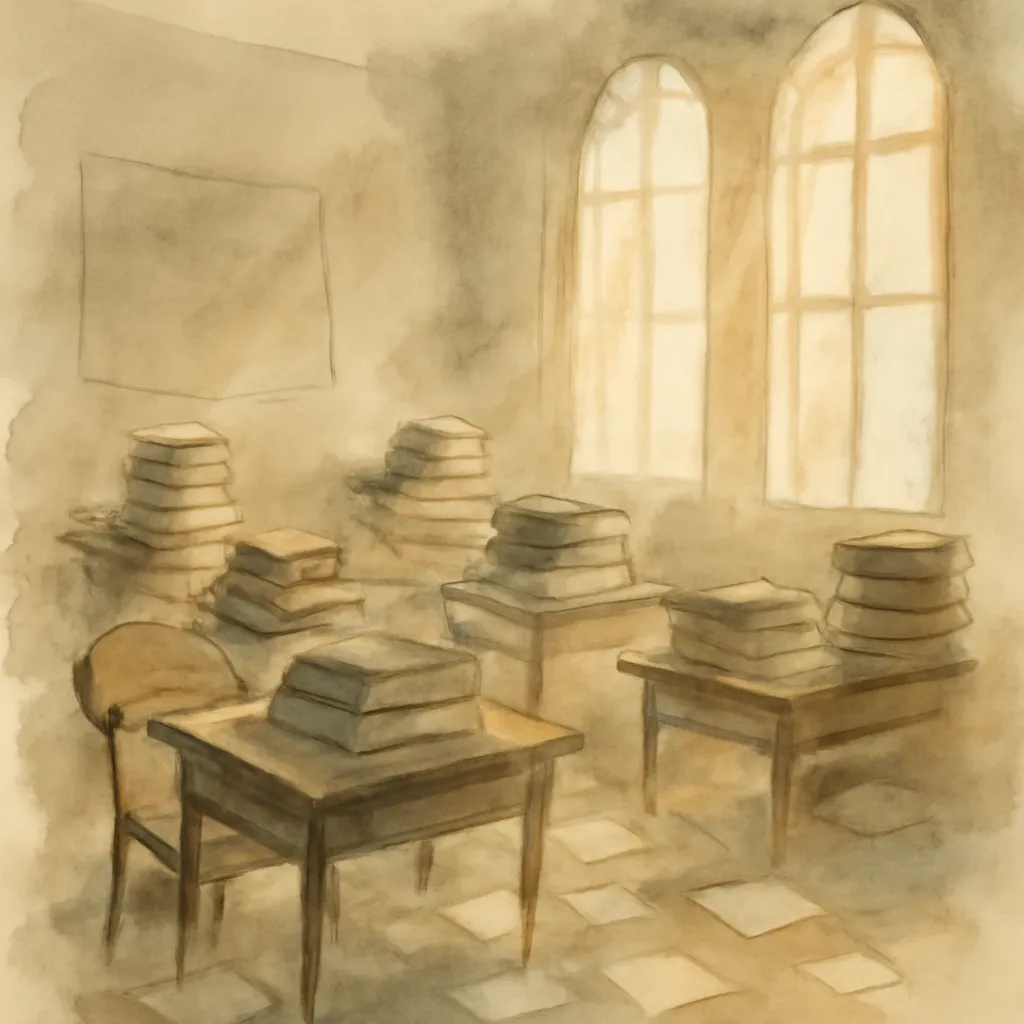
The memoir delves into the various educational environments that William and his siblings were exposed to, revealing how these experiences influenced their intellectual growth. James recalls the 'day-boys' status of him and William, moving through multiple schools with a sense of wonder and bewilderment. This constant flux reflects the educational landscape of the time, characterized by its lack of stability. The presence of instructresses rather than instructors left a mark on his self-esteem and sense of worth, reflecting gender dynamics of the era. He vividly describes the figures of Miss Rogers and Mrs. Daly, whose contrasting teaching styles left indelible impressions on him. Miss Rogers, with her strict discipline, and Mrs. Daly, who offered a more nurturing approach, served as archetypes of educational authority in a time when women were finding their roles in academia. This commentary on education highlights how the quality and nature of instruction can profoundly affect a child's self-perception and intellectual curiosity, shaping not only their academic trajectory but also their emotional and social development.
3.Social Dynamics and Family Life

James intricately examines the social dynamics within his family, particularly the relationships among siblings and cousins. His interactions with William are marked by admiration, yet also a sense of inferiority, as William's brilliance often overshadowed him. The author describes family gatherings, such as the one at the Emmet household, emphasizing the lively and joyful atmosphere that characterized these events. Here, he captures the essence of familial bonding, where food, laughter, and shared histories create a sense of belonging. This familial backdrop provided a rich context for exploring the complexities of love, rivalry, and admiration that existed among siblings. James’ reflections reveal how these relationships were foundational in shaping his understanding of social interactions and human psychology. The warmth of these family connections contrasts sharply with the competitive nature of their intellectual pursuits, highlighting a duality present in family dynamics that both nurtures and challenges individual growth.
4.The Role of Place in Memory

James articulates how specific locations hold the power to evoke strong memories and emotions. He recalls the Pavilion hotel, likening it to a grand Greek temple, which reflects the idealization of childhood memories. The vivid imagery associated with places like New Brighton and Union Square serves as a canvas for his reflections on childhood joy and exploration. Through detailed descriptions of these locations, he invites readers into his world, allowing them to experience the sights, sounds, and feelings that defined his youth. By linking memories to physical spaces, James underscores the significance of environment in shaping one’s experiences. This connection between place and memory invites readers to consider their own formative environments and the lasting impact these spaces have on their identities. Each location serves as a marker of personal history, revealing how the interplay between environment and memory creates a rich landscape of individual experience.
5.Childhood and the Birth of Imagination
James explores the blossoming of imagination during childhood, a theme that resonates throughout his recollections. He describes moments of fanciful thinking and creative play, suggesting that these early experiences were crucial in developing his later literary sensibilities. The innocence of childhood allowed for unencumbered exploration of ideas, where imagination could flourish without the constraints of adult expectations. He reflects on the delights of storytelling and play, emphasizing how these activities fostered a sense of wonder and possibility. This theme underscores the importance of nurturing creativity in children, as these formative experiences lay the groundwork for future intellectual pursuits. James’ reflections serve as a reminder of the vital role imagination plays in shaping one’s worldview, encouraging readers to cherish and cultivate their own imaginative instincts as part of their personal development.
6.The Intersection of Public and Private Life
A Small Boy and Others navigates the interplay between public life and private experiences, particularly in the context of familial and social interactions. James recalls attending public events and gatherings, such as visits to the theatre and exhibitions, which were formative in developing his understanding of society. Yet, these public experiences are always framed within the context of his private reflections, revealing how individual perceptions color collective experiences. This duality emphasizes that personal insights often shape one’s understanding of broader societal norms and values. The tension between public and private spheres reflects the complexities of human relationships, where social expectations and personal emotions intertwine. It invites readers to consider how their private lives intersect with their public personas, shaping their interactions and self-perceptions in nuanced ways.
7.The Weight of History and Culture
James' memoir is steeped in the historical and cultural context of 19th-century America, which serves as a backdrop for his childhood experiences. He reflects on significant events such as the Mexican War and the political climate of the time, which linger in his memories and shape his worldview. The mention of Louis Philippe's flight to England, for instance, highlights how political upheaval can permeate personal lives. This awareness of history’s influence on individual experiences encourages readers to consider the larger socio-political narratives that inform personal stories. Historical events are not distant occurrences; they are woven into the fabric of everyday life, influencing family dynamics, social interactions, and personal aspirations. James’ reflections serve as a poignant reminder of the interconnectedness of individual lives and historical events, prompting readers to acknowledge the impact of their cultural heritage on their present circumstances.
8.The Complexity of Individual Identity
Throughout the memoir, James grapples with his own identity in relation to his family and society. He frequently compares himself to William, feeling overshadowed yet deeply connected to his brother's intellectual prowess. This dynamic creates a complex interplay of admiration and envy, prompting reflections on his own self-worth and aspirations. James' candid exploration of identity reveals the struggles individuals face in defining themselves against the backdrop of familial expectations and societal norms. He discusses moments of introspection, where he questions his place within the family hierarchy and the broader social context. This theme resonates with anyone who has navigated the intricacies of sibling relationships and the quest for personal identity. The memoir ultimately challenges the reader to consider how familial relationships and social dynamics shape their own sense of self.
9.Reflections on the Nature of Time
James contemplates the fluidity of time and its impact on memory and experience. He acknowledges the passage of time as both a thief and a giver, taking away certain moments while enriching others through reflection. The act of recalling childhood memories becomes a way of reclaiming lost time, allowing James to engage with his past in a meaningful way. He emphasizes that while time may alter perceptions, it also provides a distance that allows for deeper understanding and appreciation of experiences. This reflection on time invites readers to consider how their own past experiences shape their present identities. By embracing the complexities of time, James encourages a deeper understanding of how memories are woven into the fabric of personal history, suggesting that our identities are not static but continuously evolving as we engage with our past.
10.The Importance of Narrative
A Small Boy and Others is itself a narrative that underscores the power of storytelling in shaping human experience. James weaves together vignettes that not only recount events but also explore their emotional resonance, highlighting the significance of narrative in understanding one’s life. He reflects on the role of storytelling as a means of making sense of chaotic experiences and emotional upheaval. By sharing his reflections, James invites readers to engage with their own narratives, emphasizing the universal nature of storytelling as a means of making sense of the complexities of life. This exploration of narrative serves as a reminder that our lives are composed of stories, and how we choose to tell them can fundamentally shape our understanding of ourselves and our place in the world.