
A tale of adventure, mystery, and romance unfolds in a haunted Scottish castle, where honor battles treachery and love defies the odds
Read full overviewShow less›
In 'Doom Castle,' Neil Munro weaves a rich tapestry of intrigue, set against the dramatic backdrop of the Scottish Highlands. The story follows Count Victor Jean de Montaiglon, a French nobleman, who finds himself embroiled in a web of danger and deception after arriving at the enigmatic Doom Castle. As he navigates the treacherous terrain of local politics and the complexities of human emotions, Victor's journey reveals the enduring struggle between courage and cowardice, loyalty and betrayal. Readers will be captivated by the vivid landscapes, quirky characters, and the profound themes of love, honor, and the haunting shadows of the past. This summary delves into the key ideas and themes of the novel, offering insights into its memorable characters and their intricate relationships.
'Doom Castle' is a rich exploration of adventure, mystery, and the complexities of human relationships, set against the evocative backdrop of the Scottish Highlands. Through Count Victor's journey, Neil Munro delves into profound themes of courage, honor, and the haunting nature of the past, inviting readers to reflect on their own experiences of love, identity, and the unpredictable currents of fate. The novel's vivid characters and intricate plot weave together a narrative that resonates with timeless truths about the human condition. Ultimately, 'Doom Castle' reminds us that while life is fraught with challenges and uncertainties, the pursuit of love and understanding remains a universal endeavor worth undertaking.
- 1The Allure of the Unknown
- 2Courage in the Face of Fear
- 3The Complexity of Human Relationships
- 4Honor and Betrayal
- 5The Haunting Presence of the Past
Notable quotes
“Ah!” said he regretfully, “I must sacrifice my bridge and my good comrade. This is an affair!”
“Ye may be grand in a fight, Mungo, but only a middling man at forage.”
“Good God! your hands were going, and in a second or two more—”
A glimpse inside

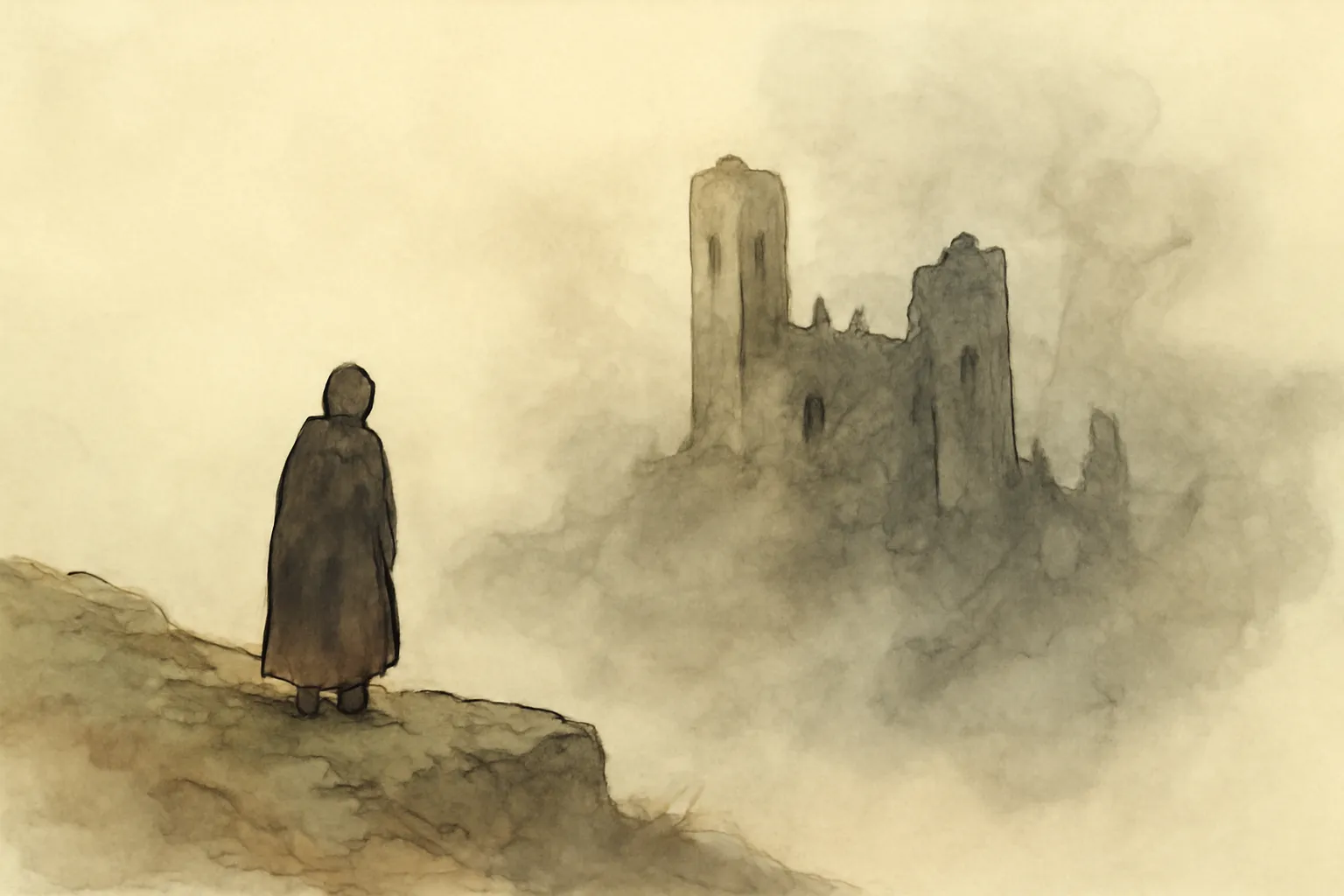
Count Victor's arrival in the desolate landscape of Doom Castle sets the stage for a profound exploration of the unknown. Fresh from the vibrant streets of Paris, Victor… Read moreCount Victor's arrival in the desolate landscape of Doom Castle sets the stage for a profound exploration of the unknown. Fresh from the vibrant streets of Paris, Victor is struck by the stark contrast of the silent, eerie Scottish Highlands. The oppressive stillness, punctuated only by the sound of waves crashing against the shore, creates a palpable sense of isolation. For Victor, accustomed to the bustle of city life, the profound quietude is disorienting. His discomfort grows as he contemplates the customs of the local inhabitants, who appear both intriguing and threatening. The strange locals, with their rugged appearance and unrefined demeanor, evoke a sense of both curiosity and trepidation. This juxtaposition of his former life against the harsh reality of his new surroundings highlights the allure and danger of the unknown, inviting readers to ponder the inherent risks of venturing into unfamiliar territories, both physically and emotionally. The narrative sets the tone for the exploration of the personal unknowns that Victor must navigate as he comes to terms with his loneliness and seeks to forge connections in this foreign land. Show less
Victor's character embodies a unique blend of bravery and vulnerability. Despite his reputation as a skilled duelist and a man of honor, he experiences palpable fear when… Read moreVictor's character embodies a unique blend of bravery and vulnerability. Despite his reputation as a skilled duelist and a man of honor, he experiences palpable fear when confronted with the bandits lurking in the woods. Standing alone against unseen foes, Victor grapples with his instinctive fight-or-flight response, showcasing that even the most valiant individuals can feel fear. This internal struggle highlights a central theme in the book: courage is not merely the absence of fear, but the willingness to confront it. His reluctance to harm his injured horse reflects not only his compassion but also a deeper moral conflict. This moment serves as a poignant reminder that true bravery often lies in navigating moral dilemmas and making choices aligned with one's values. Munro captures Victor's hesitance, underscoring the complexity of human emotions when faced with danger. The narrative suggests that courage can manifest in different forms; it may require physical strength or moral resolve, emphasizing that the heart of bravery lies in empathy and ethical considerations. Show less
Read the full text — free
About the author
Read Neil Munro's work free on Lumina — the complete text plus an 8-minute summary and key ideas, no account needed