Princes · Blessing and cursing · Fiction
Elantris by Brandon Sanderson — Summary, Key Ideas & Quotes
2005638 pages✦ 3-min Big ideas★ 4.1 (100)
Rate it
Elantris: gigantic, beautiful, radiant-----filled with powerful individuals who use their magical abilities to benefit all the people of Arelon. Yet each of these godlike beings was once an ordinary person until touched by the mysterious transforming power of Shaod. Then, ten years ago, without warning, the magic failed. Elantrians became wizened, feeble, leper-like creatures, and Elantris itself dark, filthy, and crumbling. The Shaod became a curse. Arelon's new capital city, Kae, crouches in the shadow of Elantris, which its people do their best to ignore. Princess Sarene of Teod has come to Kae for a marriage of state with Crown Prince Raoden, hoping also to find love. Sarene learns instead that Raoden has died, and she is considered his widow. Both Teod and Arelon are under threat from the imperial ambitions of Fjordell, a city filled with ruthless religious fanatics, and whose high priest, Hrathen, intends to convert Arelon and claim it for his emperor and his god. Now Sarene alone stands in his way. But neither Sarene nor Hrathen suspects the truth about Prince Raoden's disappearance. Taken by the same strange malady that felled the gods of Elantris, Raoden was secretly imprisoned within the dark city. His struggle to create a society for the wretches trapped there begins a series of events that will bring hope to Arelon, and reveal the secret of Elantris itself. -- From the hardback inside cover
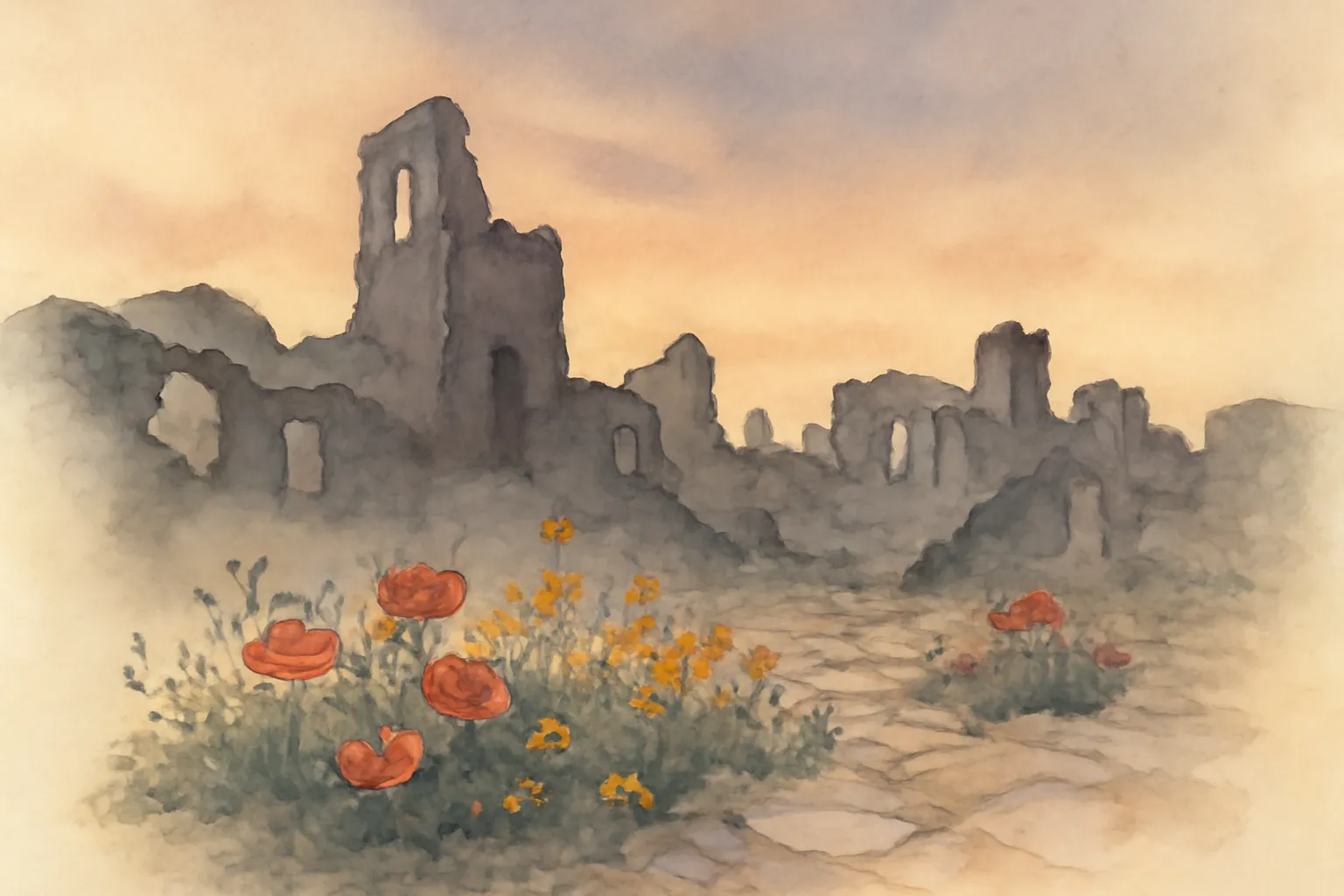
At the heart of Elantris is the question of how identity endures through radical change. The Shaod, once a blessing, now marks its victims as outcasts, forcing characters—especially Raoden—to redefine themselves when stripped of power, beauty, and status. The novel explores how people respond to loss and suffering, and whether dignity can survive in the face of dehumanization. This theme resonates in how the Elantrians create new meaning and community despite their cursed existence.
Elantris scrutinizes the nature of leadership, contrasting selfish rulers with those who serve. The collapse of Elantris exposes the fragility of societies built on privilege and the dangers of neglecting the marginalized. Through Raoden’s efforts to organize and inspire hope among the cursed, and Sarene’s political maneuvering outside the walls, Sanderson shows that true leadership is rooted in empathy, adaptability, and moral courage.
“Hope is never so lost that it can't be found.”
“Elantris, the city of the gods, had fallen.”
“Pain loses its power when other things become more important.”