1.Transformation and Identity
At the heart of Elantris is the question of how identity endures through radical change. The Shaod, once a blessing, now marks its victims as outcasts, forcing characters—especially Raoden—to redefine themselves when stripped of power, beauty, and status. The novel explores how people respond to loss and suffering, and whether dignity can survive in the face of dehumanization. This theme resonates in how the Elantrians create new meaning and community despite their cursed existence.
2.Power, Corruption, and Leadership
Elantris scrutinizes the nature of leadership, contrasting selfish rulers with those who serve. The collapse of Elantris exposes the fragility of societies built on privilege and the dangers of neglecting the marginalized. Through Raoden’s efforts to organize and inspire hope among the cursed, and Sarene’s political maneuvering outside the walls, Sanderson shows that true leadership is rooted in empathy, adaptability, and moral courage.
3.Faith, Doubt, and Religious Manipulation
Religion is both a tool and a weapon in Elantris. Hrathen, the Fjordell priest, embodies the tension between genuine faith and the use of religion for political conquest. The novel examines how belief can inspire both compassion and fanaticism, and how institutions may manipulate faith for power. Characters struggle with personal doubt and the search for meaning, making the book as much about spiritual journeys as political ones.
4.Hope and Resilience Amid Despair
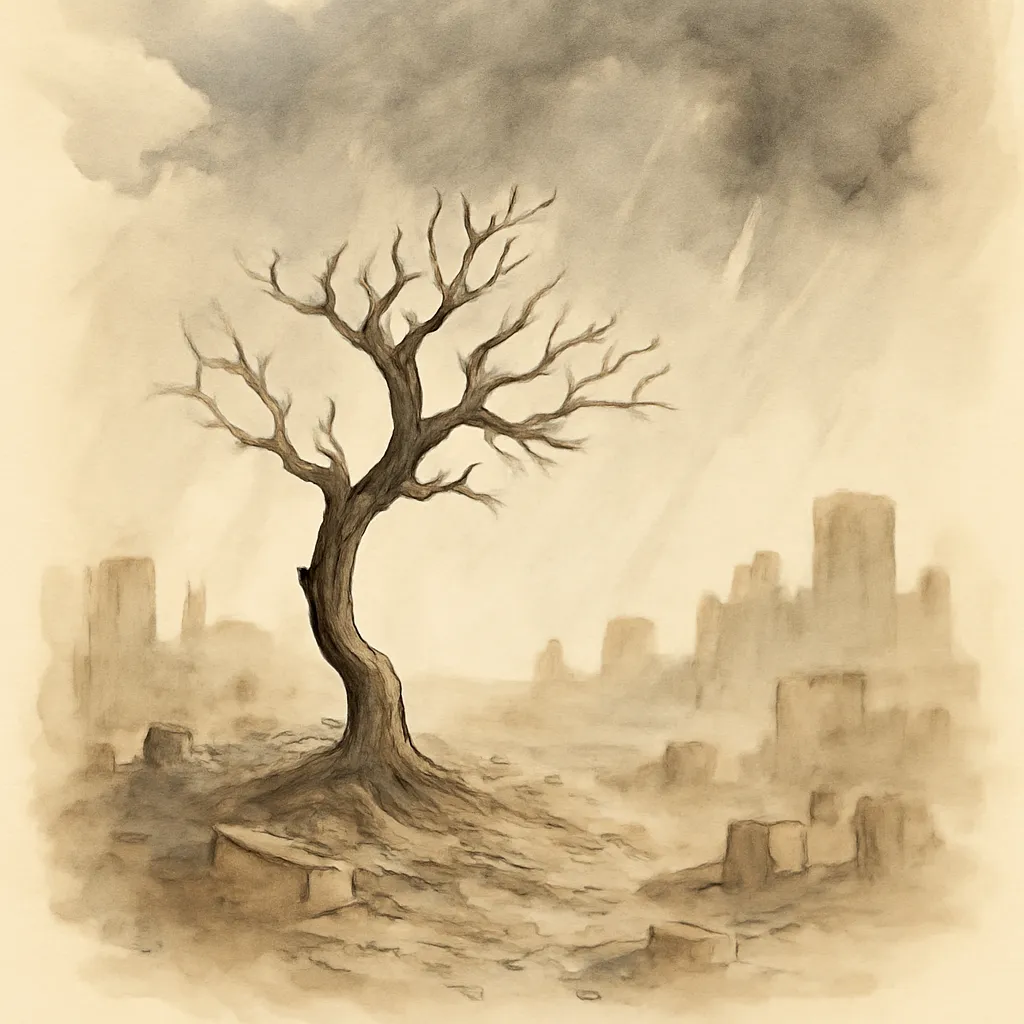
Elantris is fundamentally a story about hope in the face of hopelessness. The city’s decay is mirrored by the despair of its inhabitants, but Raoden’s refusal to surrender becomes a catalyst for change. The narrative suggests that hope is an act of will, not circumstance, and that small acts of kindness and organization can spark broader transformation. This theme is echoed in Sarene’s efforts to rally the people of Kae and resist external threats.
5.The Limits and Ethics of Magic
Unlike many fantasy novels, Elantris treats magic not as an unlimited force but as a system with rules, flaws, and consequences. The breakdown of Elantrian magic raises questions about dependence on supernatural solutions and the ethical responsibilities of those with power. Sanderson’s approach to magic as a logical, almost scientific system lays the groundwork for his later works and invites readers to consider the costs of both technological and magical progress.
6.Gender, Agency, and Social Expectation
Through Sarene, Sanderson challenges traditional gender roles in fantasy. Intelligent, politically savvy, and assertive, Sarene navigates a patriarchal society that underestimates her. Her journey highlights the constraints placed on women and the ways agency can be claimed within and against societal expectations. The novel’s treatment of gender dynamics adds depth to its political and personal stakes.