

Fiction · Detective and mystery stories · Philip Marlowe (Fictitious character)
Farewell, My Lovely by Raymond Chandler — Summary, Key Ideas & Quotes
1940266 pages✦ 3-min Big ideas★ 3.8 (18)
Rate it
This is one of Chandler’s most famous crime novels featuring the detective Philip Marlowe, who’s about to give up on a completely routine case when he finds himself in the wrong place at the right time to get caught up in a murder that leads to a ring of jewel thieves, another murder, a fortune-teller, a couple more murders, and more corruption than your average graveyard.
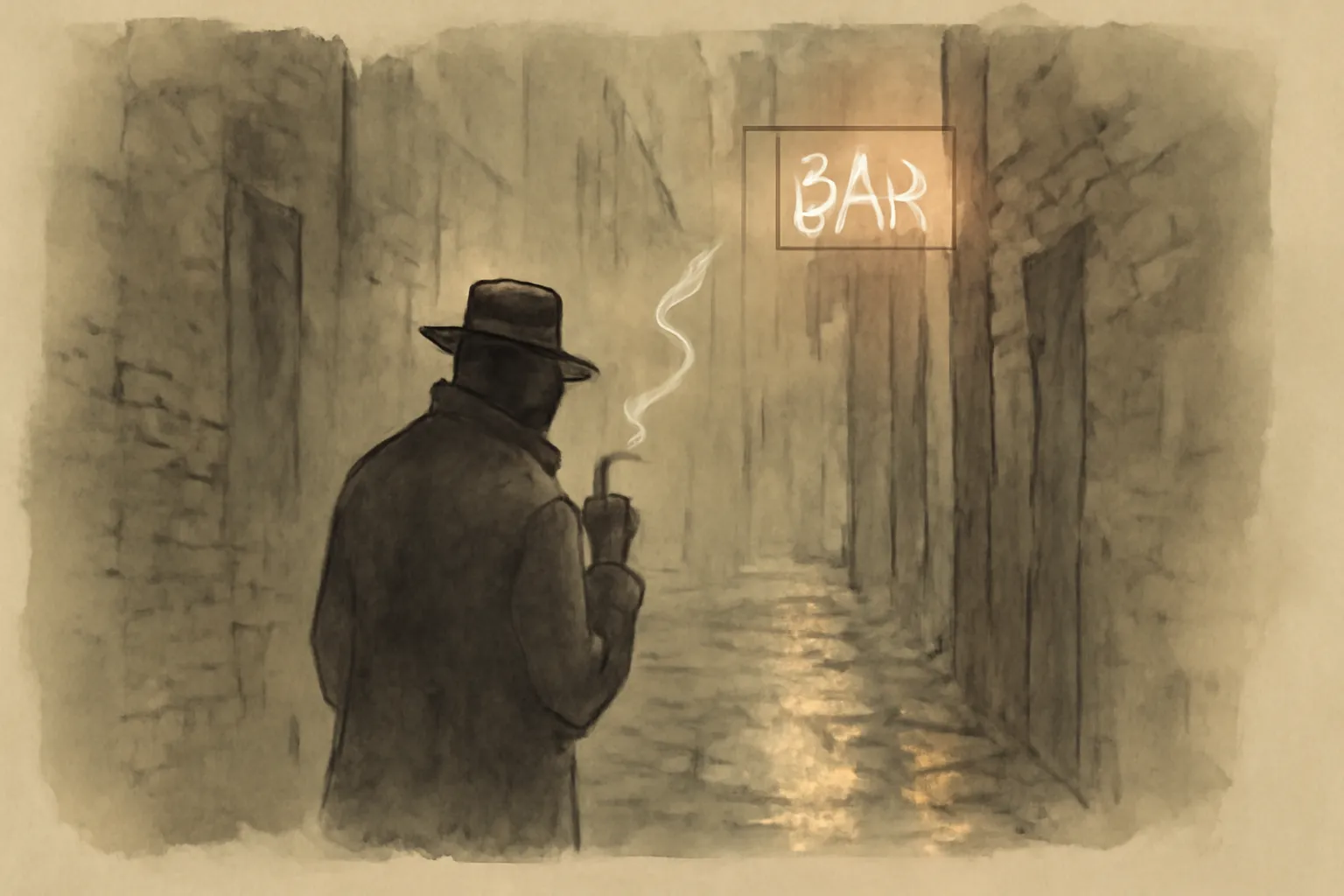
Philip Marlowe is not your typical detective. He’s tough, wisecracking, and world-weary, but beneath his cynicism lies an unshakeable sense of personal ethics. Marlowe is surrounded by corruption and violence, but he refuses to become part of it. His flaws—his stubbornness, his loneliness, his occasional recklessness—make him deeply human and relatable. Chandler uses Marlowe to explore what it means to hold onto integrity in a world where almost everyone else has sold theirs.
Chandler’s Los Angeles is more than just a backdrop; it’s a living, breathing entity. The city is painted in vivid, sometimes surreal detail—its bars, hotels, and back alleys are as much players in the story as any human. This immersive setting shapes the mood of the novel, reinforcing themes of decay, glamour, and duplicity. The city’s contradictions mirror the dualities in the people Marlowe encounters: beautiful surfaces hiding rot beneath.
“It was a blonde. A blonde to make a bishop kick a hole in a stained-glass window.”
“I needed a drink, I needed a lot of life insurance, I needed a vacation, I needed a home in the country. What I had was a coat, a hat and a gun.”
“He looked about as inconspicuous as a tarantula on a slice of angel food.”

