

Demoniac possession · Fiction · Haunted houses
Hell House by Richard Matheson — Summary, Key Ideas & Quotes
1971268 pages✦ 3-min Big ideas★ 4.1 (13)
Rate it
Rolf Rudolph Deutsch is going die. But when Deutsch, a wealthy magazine and newpaper publisher, starts thinking seriously about his impending death, he offers to pay a physicist and two mediums, one physical and one mental, $100,000 each to establish the facts of life after death. Dr. Lionel Barrett, the physicist, accompanied by the mediums, travel to the Belasco House in Maine, which has been abandoned and sealed since 1949 after a decade of drug addiction, alcoholism, and debauchery. For one night, Barrett and his colleagues investigate the Belasco House and learn exactly why the townfolks refer to it as the Hell House
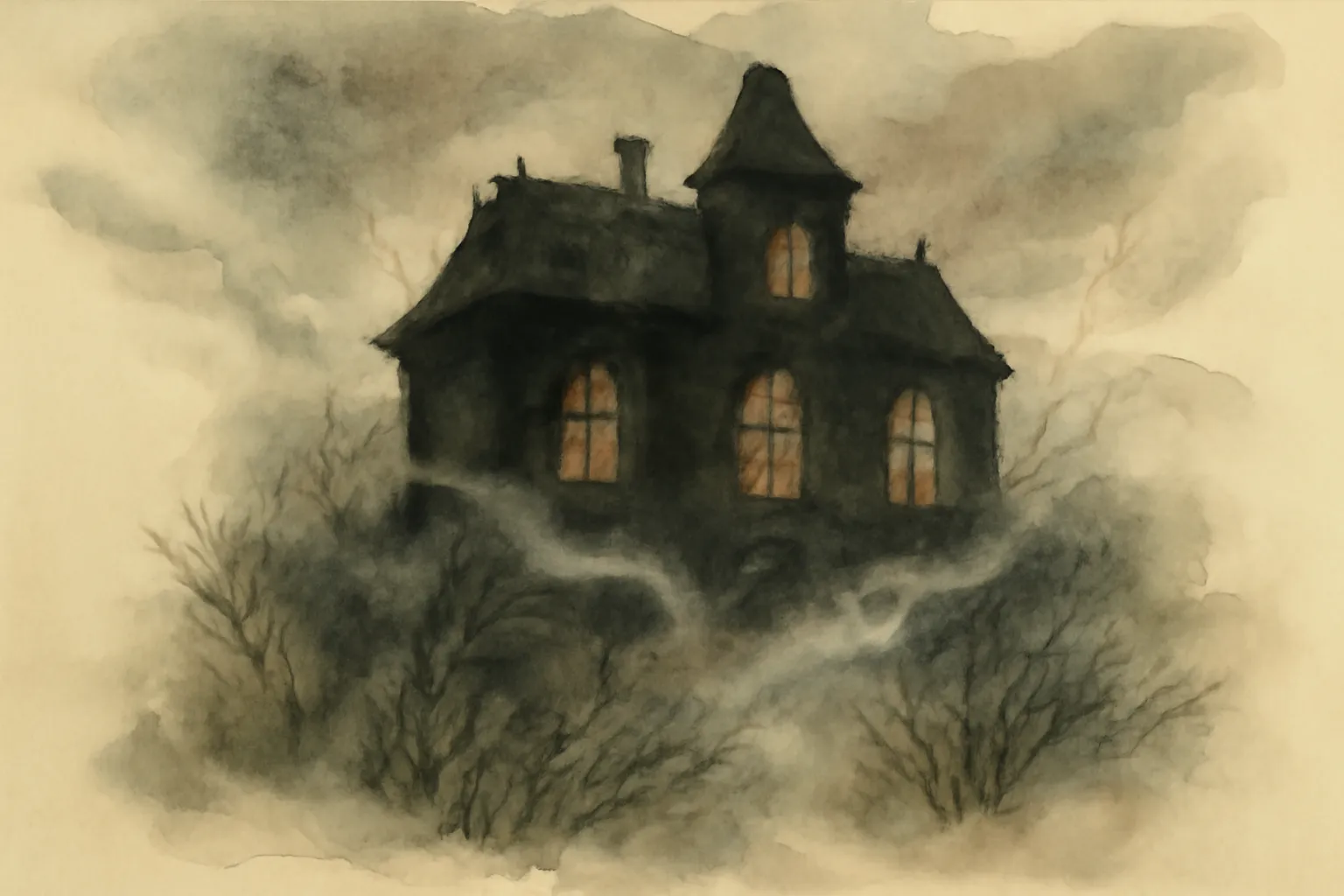
At the core of Hell House is the clash between rational science and supernatural belief. Dr. Barrett, the physicist, arrives determined to explain the house’s phenomena through electromagnetic theory and technology, while the mediums, Florence and Fischer, approach the haunting as a spiritual reality. The novel uses their conflicts and failures to question whether all mysteries can be explained by science, or whether some horrors lie beyond human comprehension.
Matheson’s Belasco House is more than a setting—it’s a malevolent force that actively manipulates, corrupts, and destroys. The house’s history of depravity and violence seems to have seeped into its very walls, making it a character in its own right. This embodiment of evil challenges the investigators not just physically, but morally and psychologically, blurring the line between external haunting and internal weakness.
“Belief is the enemy.”
“It’s the house. It doesn’t want us here.”
