1.Science vs. the Supernatural
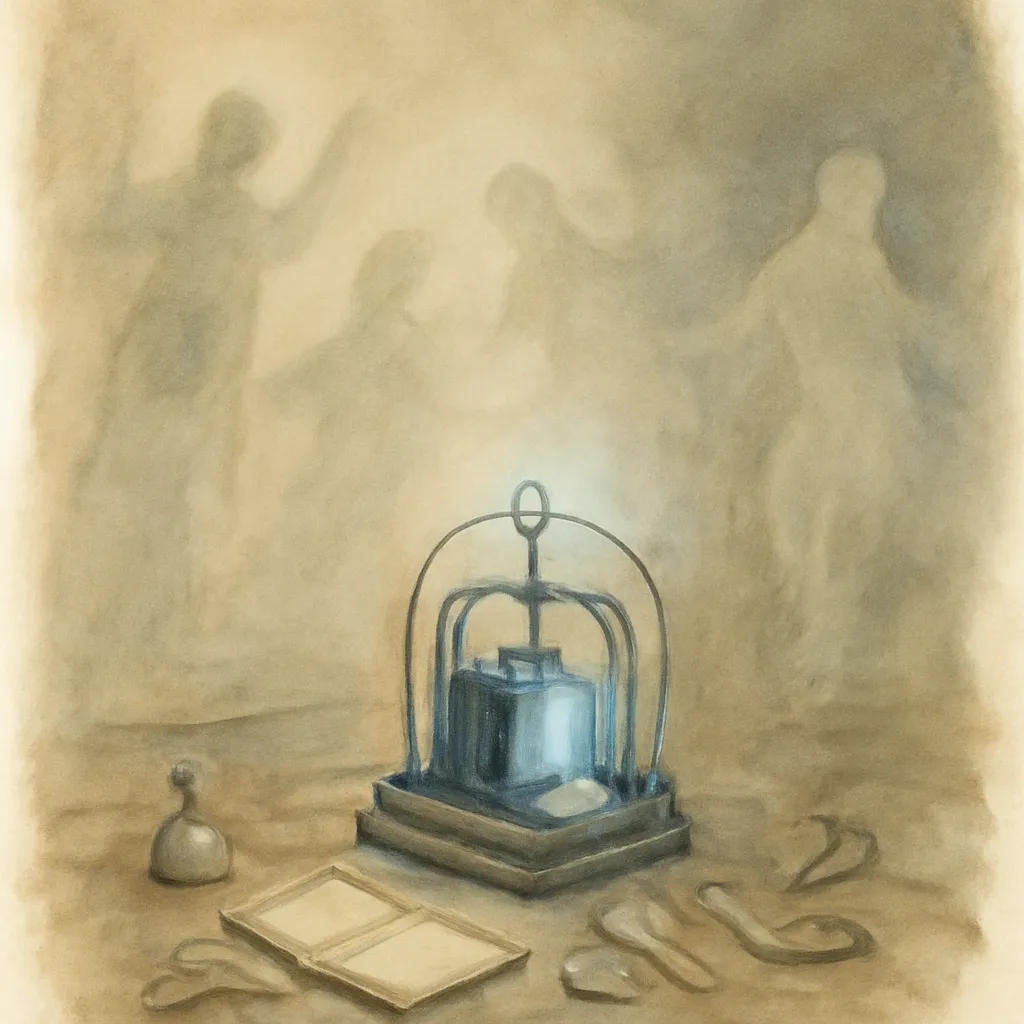
At the core of Hell House is the clash between rational science and supernatural belief. Dr. Barrett, the physicist, arrives determined to explain the house’s phenomena through electromagnetic theory and technology, while the mediums, Florence and Fischer, approach the haunting as a spiritual reality. The novel uses their conflicts and failures to question whether all mysteries can be explained by science, or whether some horrors lie beyond human comprehension.
2.The House as a Living Entity
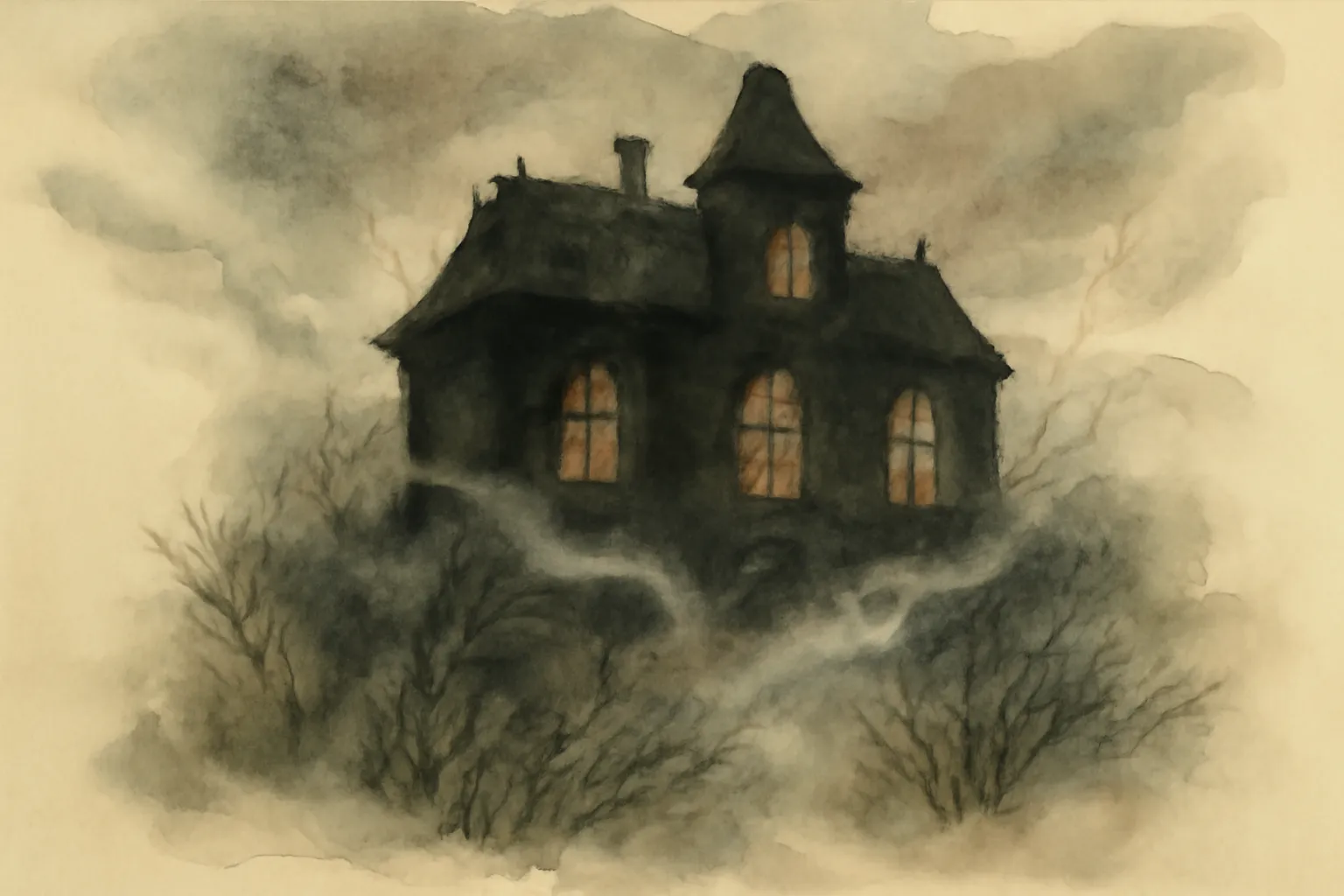
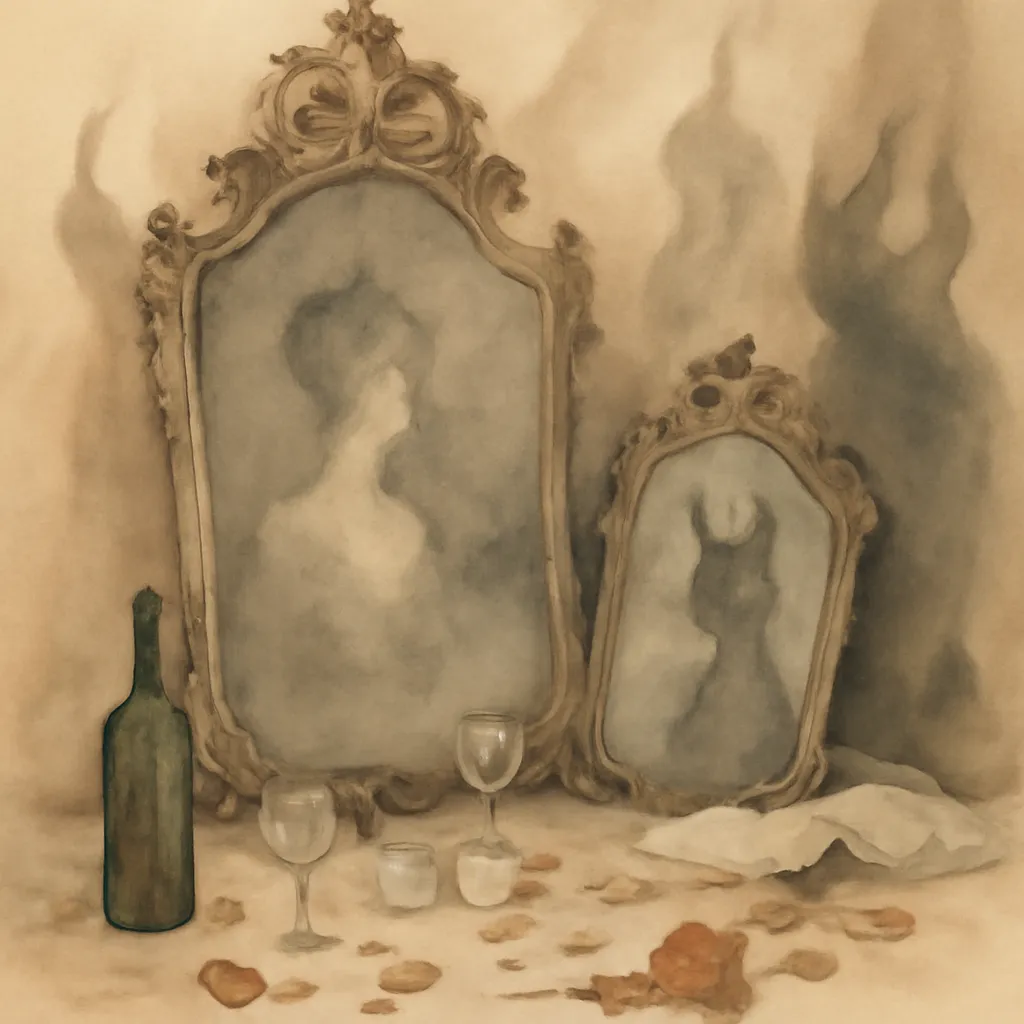
Matheson’s Belasco House is more than a setting—it’s a malevolent force that actively manipulates, corrupts, and destroys. The house’s history of depravity and violence seems to have seeped into its very walls, making it a character in its own right. This embodiment of evil challenges the investigators not just physically, but morally and psychologically, blurring the line between external haunting and internal weakness.
3.The Limits of Human Endurance
Hell House relentlessly tests its characters’ mental and emotional limits. Each investigator is forced to confront personal fears and traumas, which the house exploits with surgical precision. The narrative asks whether human beings can maintain their sanity and integrity when faced with relentless, personalized evil, or whether everyone has a breaking point.
4.Sexuality and Repression
Matheson weaves themes of sexual repression, guilt, and taboo throughout the novel. The house’s history is one of excess and perversion, and it uses sexual temptation and shame as weapons against the investigators. This theme serves as both a source of horror and a commentary on the destructive power of suppressed desires and societal taboos.
5.Faith, Doubt, and the Afterlife
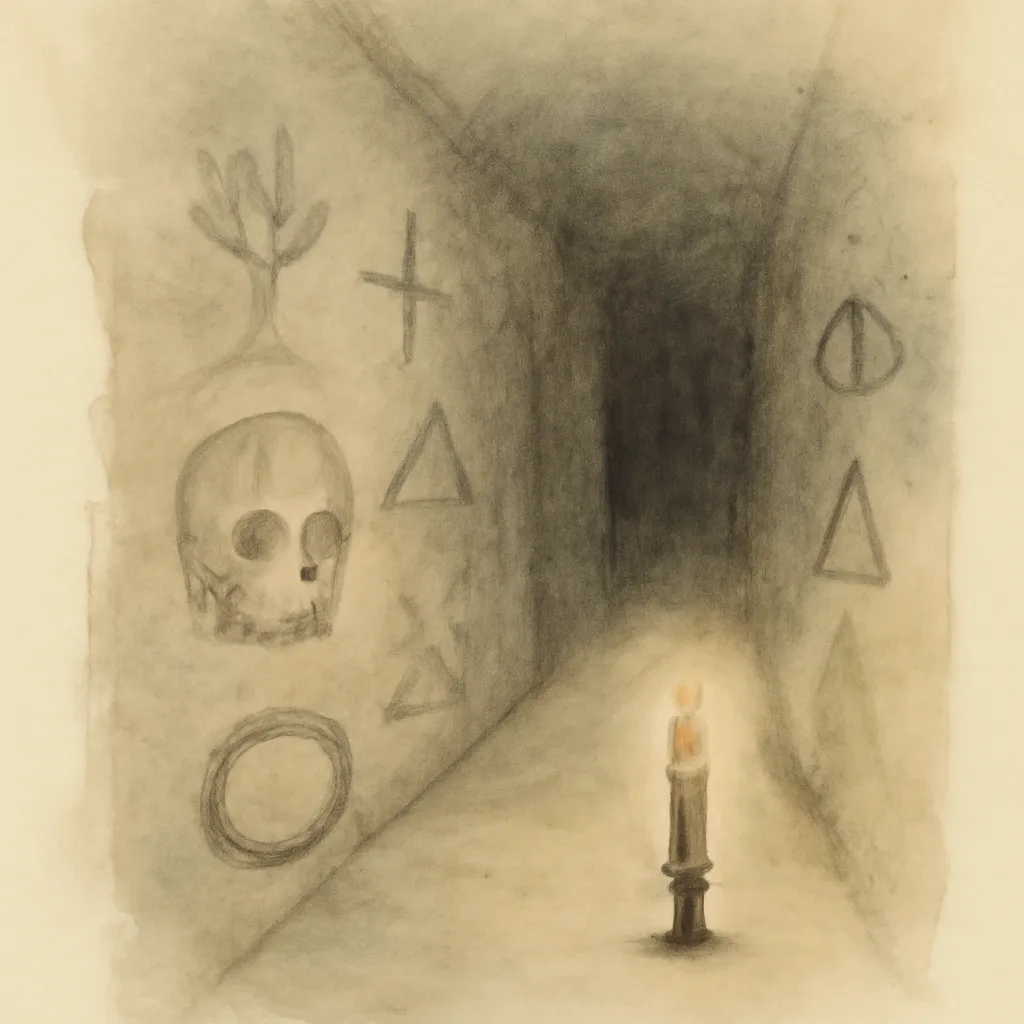
The central question driving the plot is whether there is life after death. The characters’ differing beliefs—ranging from spiritual conviction to hardened skepticism—are tested by the house’s manifestations. The novel refuses to provide easy answers, instead immersing readers in ambiguity and forcing them to confront their own uncertainties about mortality and the unknown.
6.Isolation and Group Dynamics
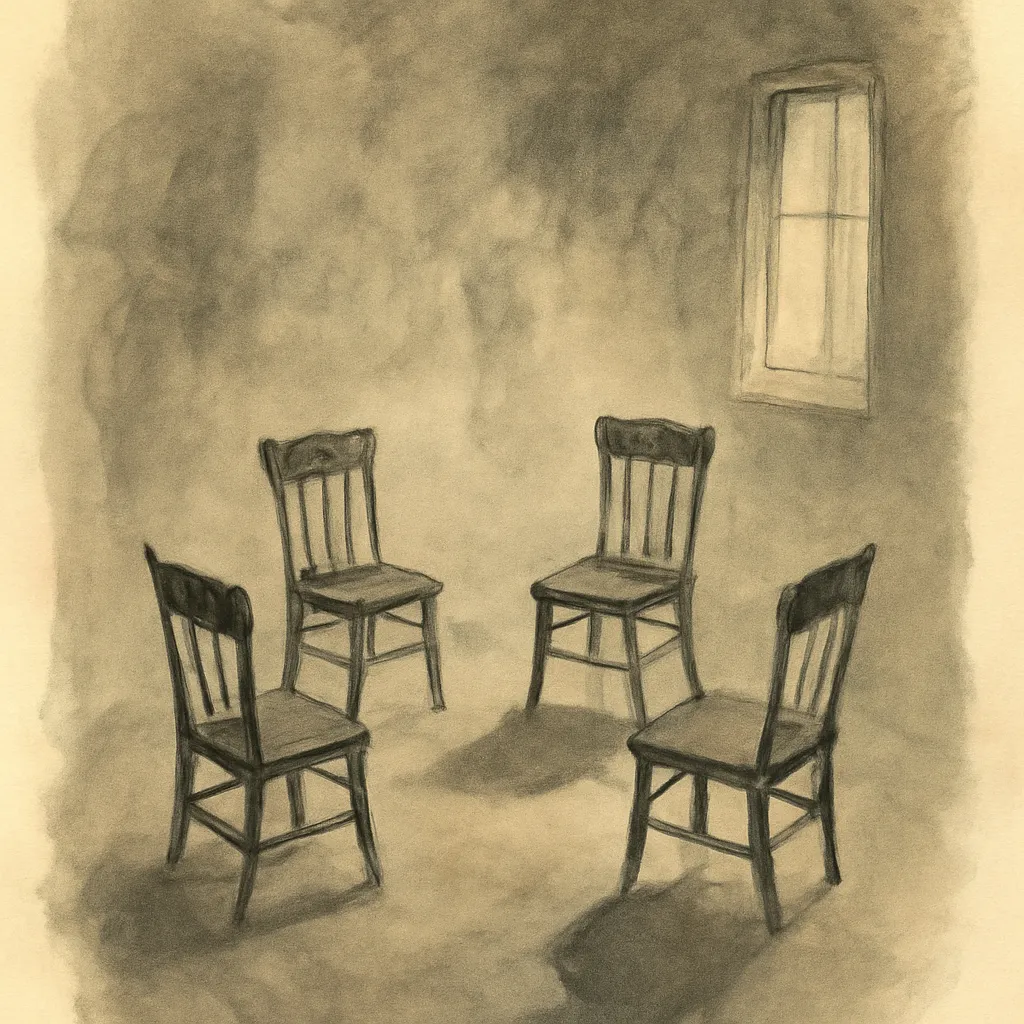
Cut off from the outside world, the four investigators must rely on—and contend with—each other. Matheson explores how stress, fear, and suspicion erode trust and cooperation, turning allies into adversaries. The group’s breakdown is as much a source of terror as the house itself, highlighting the fragility of human relationships under extreme pressure.