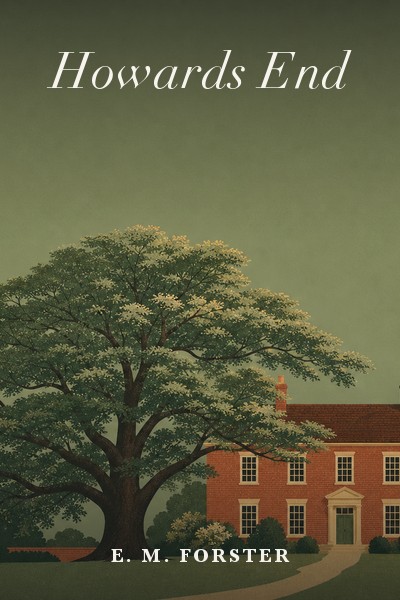

“Only connect.” Three families and a country house entwine across class and money — Forster’s richest social novel.
Read full overviewShow less›
E. M. Forster's 'Howards End' dives deep into the lives of three families—the Schlegels, the Wilcoxes, and the Basts—reflecting the social and economic challenges of Edwardian England. At its heart, the novel examines the struggles between social classes, the complexities of love and friendship, and the importance of human connections in a rapidly changing world. Readers will encounter themes of ownership, identity, and the search for meaning in relationships, all set against the backdrop of an evolving society. Forster’s poignant narrative not only offers a critique of class disparity but also advocates for empathy and understanding among different social strata. This exploration invites readers to ponder the question of how connection—both personal and societal—can bridge divides and foster a more harmonious existence.
E. M. Forster's 'Howards End' serves as a profound examination of the complexities of human relationships against the backdrop of a rapidly changing society. Through its exploration of class, gender, and the intertwining of love and property, the novel invites readers to reflect on the importance of empathy and connection in overcoming societal divisions. Forster's characters navigate a world where materialism often overshadows genuine human bonds, yet their struggles highlight the potential for understanding and compassion to bridge these gaps. Ultimately, 'Howards End' remains a timeless commentary on the human experience, emphasizing the need for connection in an increasingly fragmented world.
- 1The Importance of Connection
- 2Class and Social Division
- 3The Role of Women
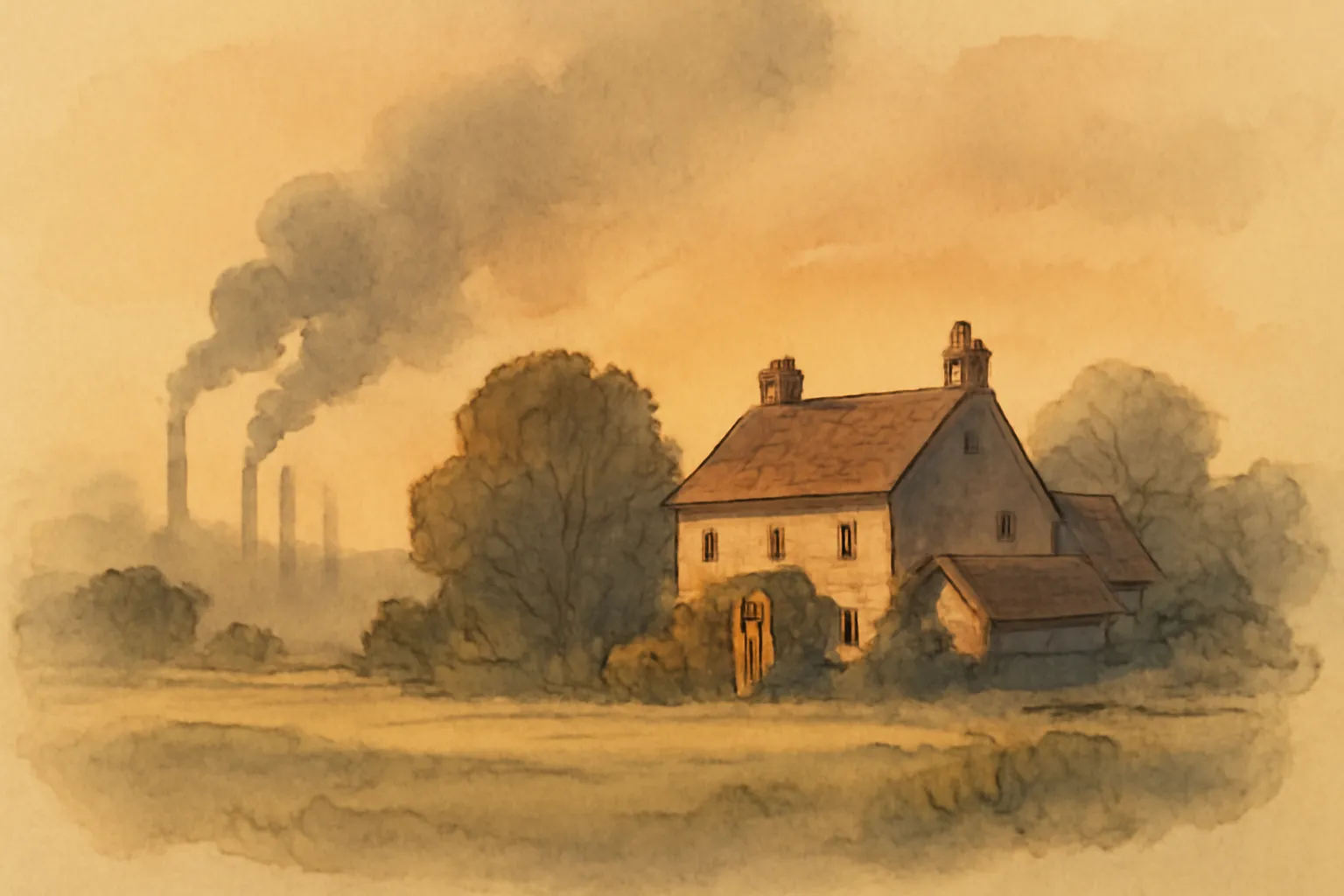
- 4The Symbolism of Howards End
- 5The Tragedy of Leonard Bast
A glimpse inside

Forster emphasizes the significance of connection in human relationships through the recurring motif of 'only connect.' This phrase encapsulates the idea that genuine rel… Read moreForster emphasizes the significance of connection in human relationships through the recurring motif of 'only connect.' This phrase encapsulates the idea that genuine relationships are built on understanding and empathy. The characters' struggles highlight how societal norms and class distinctions can obstruct meaningful connections. For example, Margaret Schlegel's attempts to bridge the gap between her family and the Wilcoxes illustrate her belief in the potential for harmony across social divides. In contrast, the Wilcoxes often embody a more transactional approach to relationships, focused on property and status rather than emotional depth. This theme suggests that true fulfillment comes not from material wealth but from nurturing human bonds. Show less
The novel paints a vivid picture of the rigid class structures of Edwardian England, where wealth and social status dictate personal relationships and opportunities. Read moreThe novel paints a vivid picture of the rigid class structures of Edwardian England, where wealth and social status dictate personal relationships and opportunities. The Schlegels, who represent the intellectual and artistic middle class, often clash with the Wilcoxes, who are wealthy industrialists. Forster uses these contrasting families to explore the limitations imposed by class. Leonard Bast, a lower-middle-class clerk, epitomizes the struggles of those on the fringes of gentility, constantly striving to assert his worth against an unforgiving social hierarchy. Through Leonard's tragic fate, Forster critiques the societal systems that perpetuate inequality and the failure of the upper classes to recognize their moral responsibility to those less fortunate. Show less
Read the full text — free
About the author
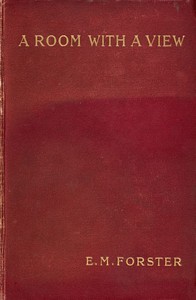
E. M. Forster has 2 works free to read on Lumina, including A Room with a View.
All 2 books by E. M. Forster →Frequently asked
Worlds to get lost in
Take Lumina everywhere
Read offline, listen to AI summaries, speed-read, and sync your progress across devices — free on iPhone.
Download for iPhone