1.The Importance of Connection
Forster emphasizes the significance of connection in human relationships through the recurring motif of 'only connect.' This phrase encapsulates the idea that genuine relationships are built on understanding and empathy. The characters' struggles highlight how societal norms and class distinctions can obstruct meaningful connections. For example, Margaret Schlegel's attempts to bridge the gap between her family and the Wilcoxes illustrate her belief in the potential for harmony across social divides. In contrast, the Wilcoxes often embody a more transactional approach to relationships, focused on property and status rather than emotional depth. This theme suggests that true fulfillment comes not from material wealth but from nurturing human bonds.
2.Class and Social Division
The novel paints a vivid picture of the rigid class structures of Edwardian England, where wealth and social status dictate personal relationships and opportunities. The Schlegels, who represent the intellectual and artistic middle class, often clash with the Wilcoxes, who are wealthy industrialists. Forster uses these contrasting families to explore the limitations imposed by class. Leonard Bast, a lower-middle-class clerk, epitomizes the struggles of those on the fringes of gentility, constantly striving to assert his worth against an unforgiving social hierarchy. Through Leonard's tragic fate, Forster critiques the societal systems that perpetuate inequality and the failure of the upper classes to recognize their moral responsibility to those less fortunate.
3.The Role of Women
Forster delves into the evolving roles of women in society, particularly through the characters of Margaret and Helen Schlegel. Both sisters embody the tensions between traditional expectations and emerging feminist ideals. Margaret, as a more pragmatic figure, navigates her societal role while seeking autonomy, particularly in her relationship with Henry Wilcox. Helen, on the other hand, represents a more romantic and idealistic view of love and relationships, as seen in her infatuation with Paul Wilcox. Their differing perspectives highlight the constraints placed on women and the varying paths they can take in a patriarchal society. Forster's portrayal of female characters challenges the norms of his time, suggesting that women's voices are essential in shaping society.
4.The Symbolism of Howards End
Howards End, the titular estate, serves as a powerful symbol of connection and continuity in the novel. It represents not only a physical space but also the emotional and spiritual ties that bind the characters together. For Margaret, Howards End becomes a sanctuary and a place of belonging, contrasting with the Wilcox's more transactional view of property. The estate embodies the ideals of familial love and the importance of heritage, as it is tied to Mrs. Wilcox's dying wish that Margaret inherit it. This desire underscores the notion that true ownership extends beyond material possession to encompass emotional and spiritual connections. The eventual transfer of Howards End to Margaret signifies a hopeful conclusion that love and understanding can triumph over societal divisions.
5.The Tragedy of Leonard Bast
Leonard Bast's character arc serves as a poignant commentary on the failures of society to uplift its most vulnerable members. His aspirations for a better life and his desire to rise above his station are tragically thwarted by the very social structures that claim to promote equality. Despite his intelligence and sensitivity, Leonard becomes entangled in the lives of the Schlegels and the Wilcoxes, ultimately leading to his downfall. His tragic fate illustrates the harsh realities faced by those at the lower end of the class spectrum, revealing the destructive impact of economic struggles and social alienation. Forster presents Leonard as a sympathetic character, urging readers to reflect on the moral obligations of the privileged to assist those in need.
6.The Conflict Between Idealism and Pragmatism
Forster explores the tension between idealism and pragmatism through the contrasting approaches of the Schlegels and the Wilcoxes. The Schlegels champion progressive ideals, advocating for social justice and personal connection, while the Wilcoxes represent a more practical, business-oriented worldview. This clash is vividly depicted in Margaret's relationship with Henry, where her aspirations for a deeper emotional connection are often met with his more utilitarian perspective. The struggle between these two philosophies is emblematic of the broader societal conflicts of the time, highlighting the challenges of reconciling personal values with societal expectations. Forster suggests that the resolution of these conflicts requires a balance between idealism and pragmatism, advocating for a more compassionate and interconnected society.
7.The Impact of Industrialization
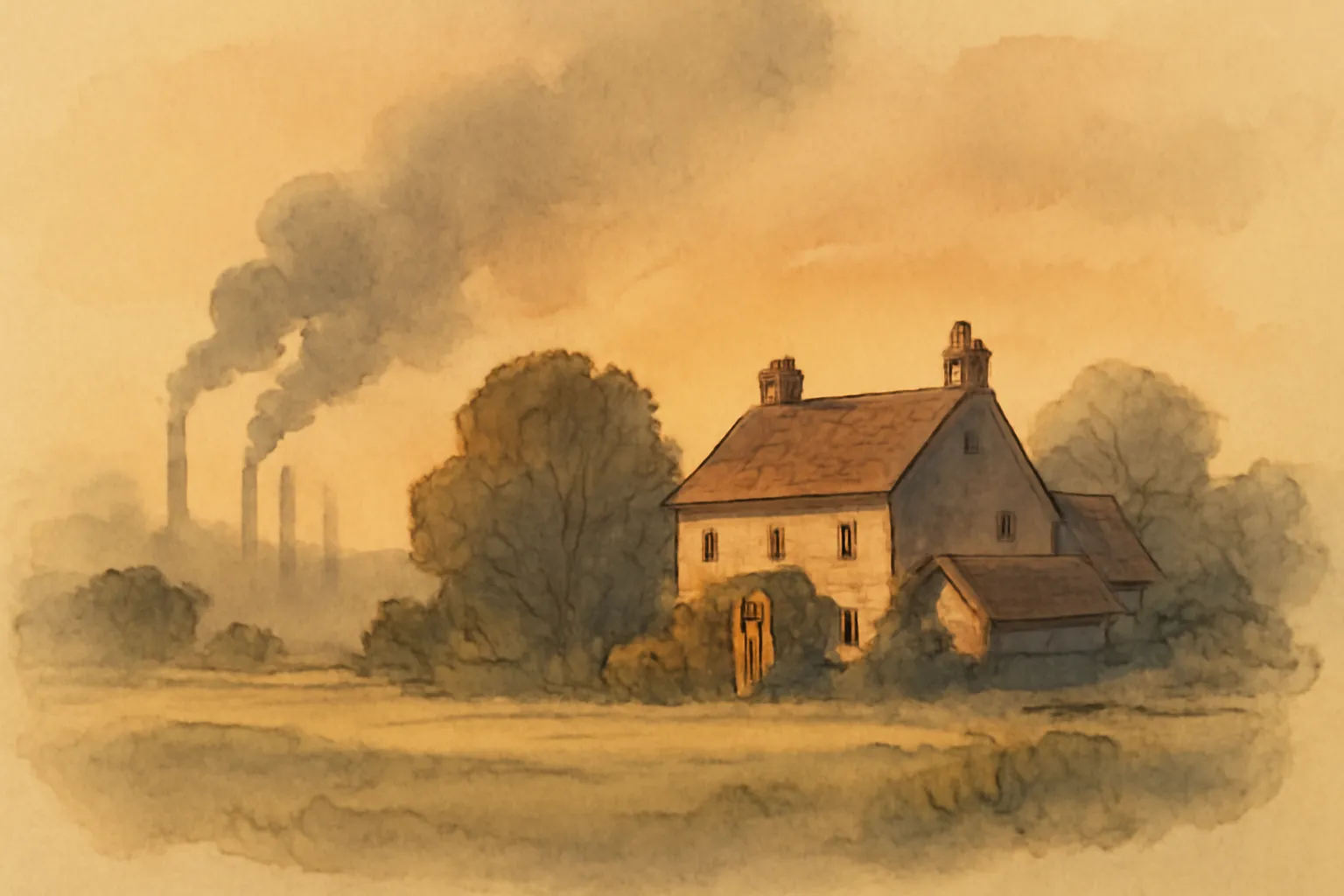
The backdrop of industrialization plays a crucial role in shaping the characters' lives and the societal landscape depicted in 'Howards End.' Forster critiques the dehumanizing effects of industrial progress, particularly through the character of Leonard Bast, who is emblematic of the working class caught in the gears of capitalism. The novel portrays the stark contrasts between the pastoral ideals represented by Howards End and the harsh realities of urban life, where individuals are often reduced to mere cogs in a machine. This tension reflects the broader anxieties of the time regarding the loss of individuality and the erosion of community values in the face of rapid economic change. Forster's critique of industrialization serves as a call to preserve humanistic values amidst the relentless march of progress.
8.Friendship and Loyalty
The theme of friendship and loyalty is intricately woven throughout the narrative, illustrating how these bonds can be both a source of strength and a cause of conflict. The relationship between the Schlegel sisters exemplifies the deep loyalty they share, yet it is tested by their differing views on love and social responsibility. Their friendship with Leonard Bast further complicates matters, as they grapple with their roles in his life and the implications of their social status. Forster demonstrates that true friendship requires honesty and self-awareness, as seen in Margaret's struggles to navigate her loyalty to her sister while pursuing her own happiness. Ultimately, the novel suggests that genuine friendship can transcend class boundaries, emphasizing the importance of empathy and understanding in fostering meaningful connections.
9.The Intersection of Love and Property
Forster intricately ties the themes of love and property together, illustrating how societal expectations can shape personal relationships. The characters' desires for love often intersect with their aspirations for property, leading to complex emotional entanglements. Margaret's relationship with Henry Wilcox, for instance, is fraught with the implications of property ownership and social status, as their union represents a merging of wealth and influence. Conversely, Helen's romantic ideals clash with the realities of class, particularly in her relationship with Paul. This interplay between love and property underscores the notion that personal relationships are often influenced by external factors, challenging the characters to reconcile their desires with societal norms. Forster's exploration of this theme invites readers to consider the ways in which love can both liberate and constrain individuals within the constraints of society.