Fiction · Romance
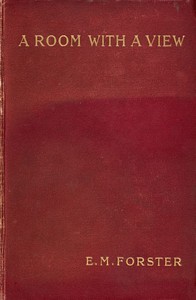
A Room with a View by E. M. Forster — Summary, Key Ideas & Full Text
220 pages20 chapters4h 25m read3h 8m speed read✦ 8-min Big ideas★ 3.8 (21)Free · no account
Rate it
A Room with a View explores the tension between societal expectations and personal desires through the journey of a young woman discovering love and self-identity in early 20th-century Italy and England
E.M. Forster's 'A Room with a View' is a profound exploration of the constraints of Edwardian society and the struggle for personal freedom. Through the life of Lucy Honeychurch, readers are invited to witness a transformative journey that challenges social norms, romantic conventions, and the essence of true happiness. The novel contrasts the stifling atmosphere of English society with the liberating beauty of Italy, where Lucy's heart begins to awaken to her true desires. As she navigates the complexities of love, family expectations, and her own evolving identity, Forster crafts a narrative rich in character development and thematic depth. This summary delves into the key ideas that illuminate Lucy's internal conflict and the societal pressures that shape her choices.
A Room with a View is a rich tapestry of themes that resonate deeply with the human experience, particularly the struggle for authenticity in a world rife with societal constraints. Lucy Honeychurch's journey from a life dictated by family expectations and social norms to one of self-discovery and true love serves as a poignant reminder of the importance of pursuing one's desires. Forster's exploration of the contrasts between the liberating beauty of Italy and the stifling confines of Edwardian England invites readers to reflect on their own lives and the societal pressures they face. Ultimately, the novel champions the courage to break free from convention and embrace the complexities of love and identity, making it a timeless exploration of the human spirit.
E. M. Forster has 2 works free to read on Lumina, including Howards End
All 2 books by E. M. Forster →