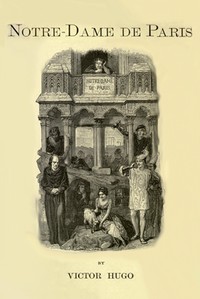

Quasimodo, Esmeralda, and the great cathedral — obsession, beauty, and cruelty in medieval Paris.
Read full overviewShow less›
Victor Hugo's 'The Hunchback of Notre-Dame' is not merely a tale of a deformed bell-ringer and his unrequited love for a beautiful gypsy; it is a profound exploration of society's complexities, the struggle between beauty and ugliness, and the inexorable passage of time. Set against the backdrop of the majestic Notre-Dame Cathedral, Hugo weaves a narrative that examines themes of fate, desire, and the often cruel nature of humanity. Readers will find themselves immersed in the vibrant streets of 15th-century Paris, encountering a cast of characters that reflect the multifaceted nature of love and the harsh realities of existence. This summary will distill the essence of Hugo's masterpiece, revealing its rich layers and timeless relevance.
Victor Hugo's 'The Hunchback of Notre-Dame' is a profound exploration of the human experience, encapsulating themes of love, sacrifice, and societal injustice against the backdrop of the iconic Notre-Dame Cathedral. Through richly developed characters and intricate symbolism, Hugo invites readers to reflect on their own perceptions of beauty, the complexities of desire, and the impact of fate. The novel's enduring legacy lies in its ability to resonate with audiences across generations, prompting vital conversations about empathy, acceptance, and the often cruel realities faced by those who exist on the fringes of society. As readers engage with this timeless tale, they are reminded of the power of compassion in a world that can be unyielding and harsh.
- 1The Power of Architecture as a Character
- 2Quasimodo: The Outsider’s Perspective
- 3Esmeralda: The Idealized Object of Desire
- 4Claude Frollo: The Tragic Scholar
- 5The Feast of Fools: A Reflection on Society
A glimpse inside

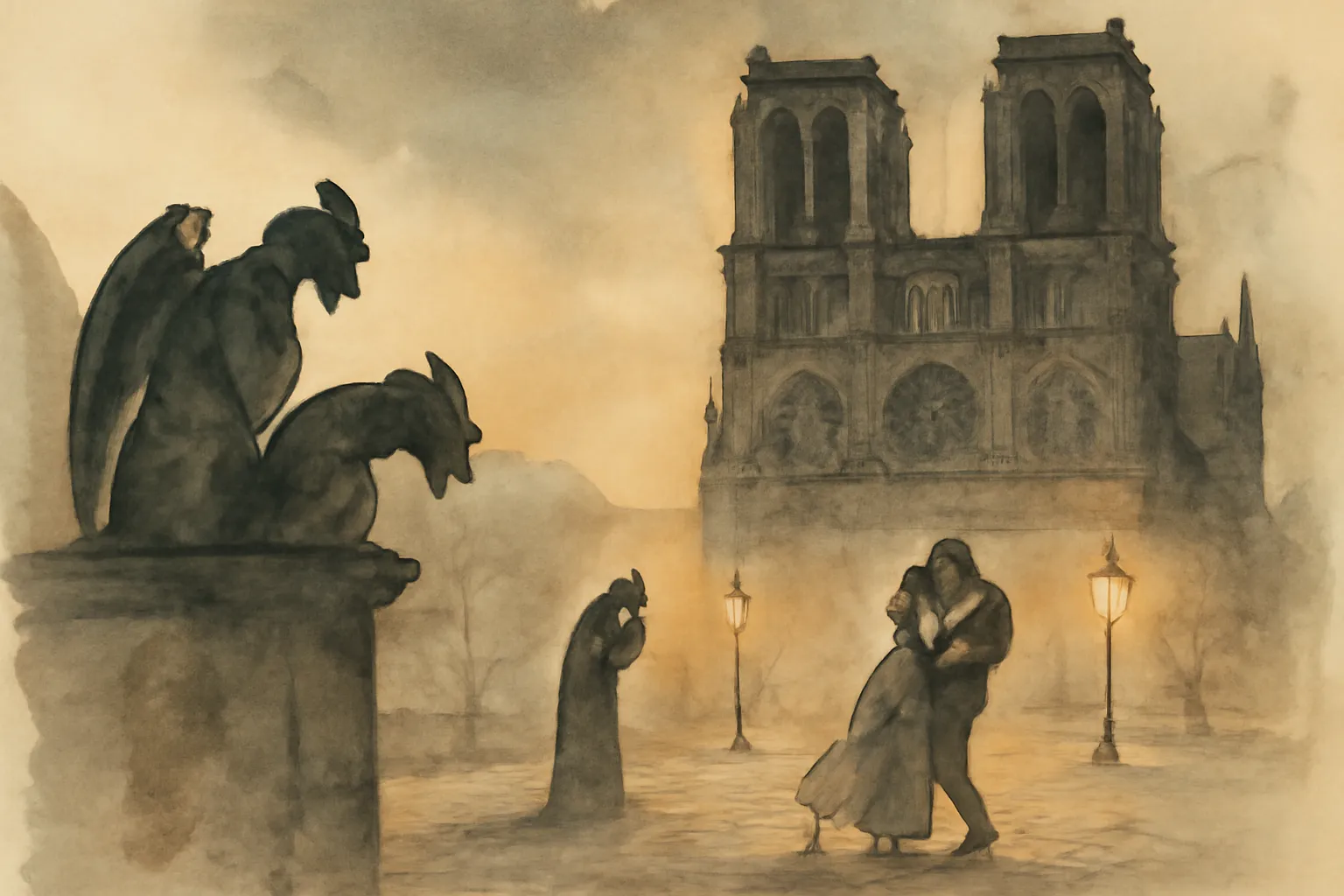
Notre-Dame Cathedral transcends its role as a mere setting, emerging as a character in its own right. Hugo describes the church with reverence, detailing its intricate ar… Read moreNotre-Dame Cathedral transcends its role as a mere setting, emerging as a character in its own right. Hugo describes the church with reverence, detailing its intricate architecture, massive stone façade, and the emotional resonance it evokes in the inhabitants of Paris. The cathedral represents not only the spiritual heart of the city but also the passage of time and the endurance of human creativity. As characters experience joy, despair, and transcendence within its walls, Notre-Dame becomes a witness to their lives, symbolizing the intersection of the sacred and the profane. Hugo's vivid descriptions evoke a sense of nostalgia for a time when architecture could inspire awe and reverence, contrasting sharply with the modern world's neglect and destruction of such wonders. Show less
Quasimodo, the hunchbacked bell-ringer, embodies the theme of societal rejection and the struggle for acceptance. His physical deformity serves as a metaphor for deeper s… Read moreQuasimodo, the hunchbacked bell-ringer, embodies the theme of societal rejection and the struggle for acceptance. His physical deformity serves as a metaphor for deeper societal flaws—hypocrisy, cruelty, and the superficial nature of beauty. Despite his grotesque appearance, Quasimodo possesses a pure heart filled with love for Esmeralda, showcasing the contrast between inner virtue and outer ugliness. His character challenges readers to reconsider their perceptions of beauty and worth, urging a deeper understanding of humanity that transcends physical appearances. Through Quasimodo's eyes, the reader witnesses the harsh realities of life in Paris, where the marginalized are often the most compassionate and genuine. Show less
Read the full text — free
About the author
Victor Hugo has 2 works free to read on Lumina, including Les Misérables.
All 2 books by Victor Hugo →Frequently asked
Worlds to get lost in
Take Lumina everywhere
Read offline, listen to AI summaries, speed-read, and sync your progress across devices — free on iPhone.
Download for iPhone