1.The Power of Architecture as a Character
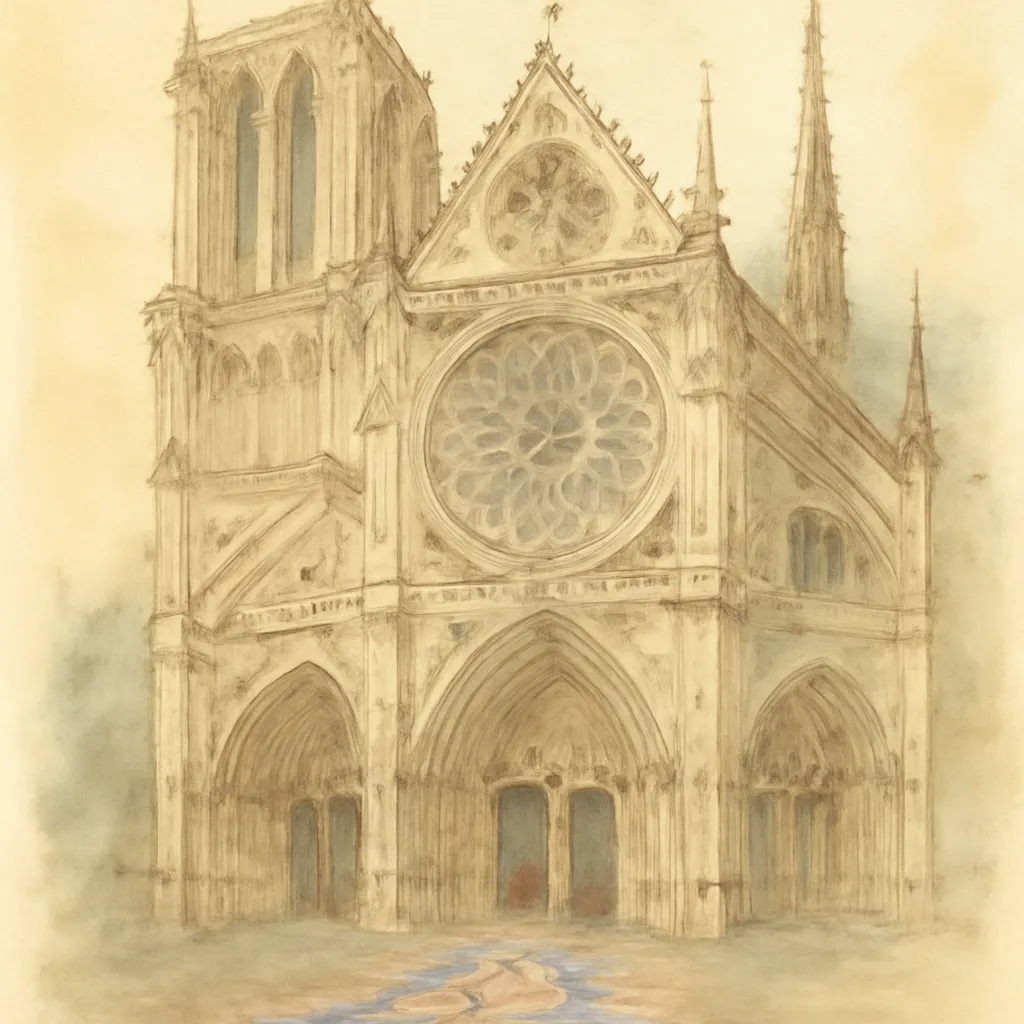
Notre-Dame Cathedral transcends its role as a mere setting, emerging as a character in its own right. Hugo describes the church with reverence, detailing its intricate architecture, massive stone façade, and the emotional resonance it evokes in the inhabitants of Paris. The cathedral represents not only the spiritual heart of the city but also the passage of time and the endurance of human creativity. As characters experience joy, despair, and transcendence within its walls, Notre-Dame becomes a witness to their lives, symbolizing the intersection of the sacred and the profane. Hugo's vivid descriptions evoke a sense of nostalgia for a time when architecture could inspire awe and reverence, contrasting sharply with the modern world's neglect and destruction of such wonders.
2.Quasimodo: The Outsider’s Perspective
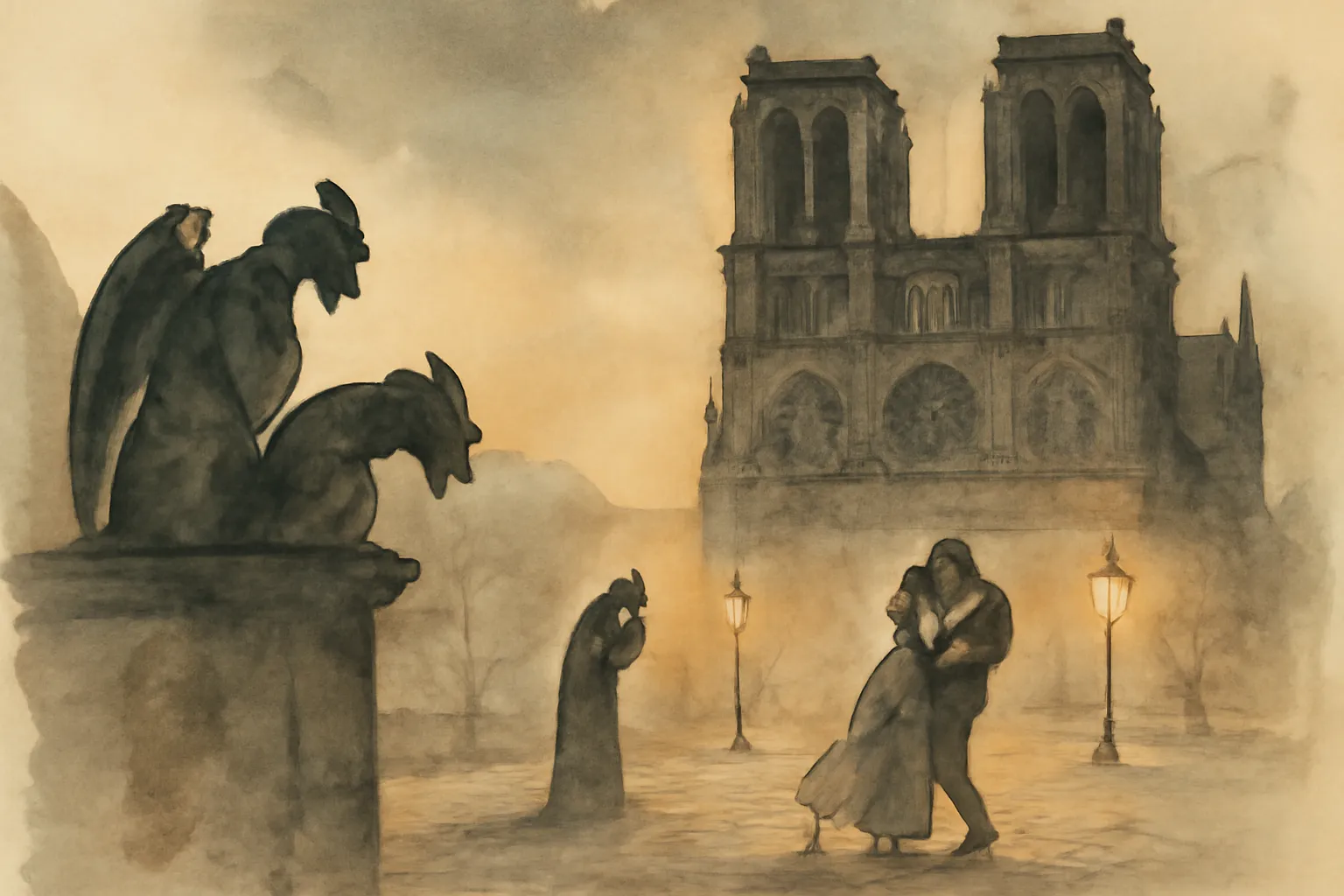
Quasimodo, the hunchbacked bell-ringer, embodies the theme of societal rejection and the struggle for acceptance. His physical deformity serves as a metaphor for deeper societal flaws—hypocrisy, cruelty, and the superficial nature of beauty. Despite his grotesque appearance, Quasimodo possesses a pure heart filled with love for Esmeralda, showcasing the contrast between inner virtue and outer ugliness. His character challenges readers to reconsider their perceptions of beauty and worth, urging a deeper understanding of humanity that transcends physical appearances. Through Quasimodo's eyes, the reader witnesses the harsh realities of life in Paris, where the marginalized are often the most compassionate and genuine.
3.Esmeralda: The Idealized Object of Desire
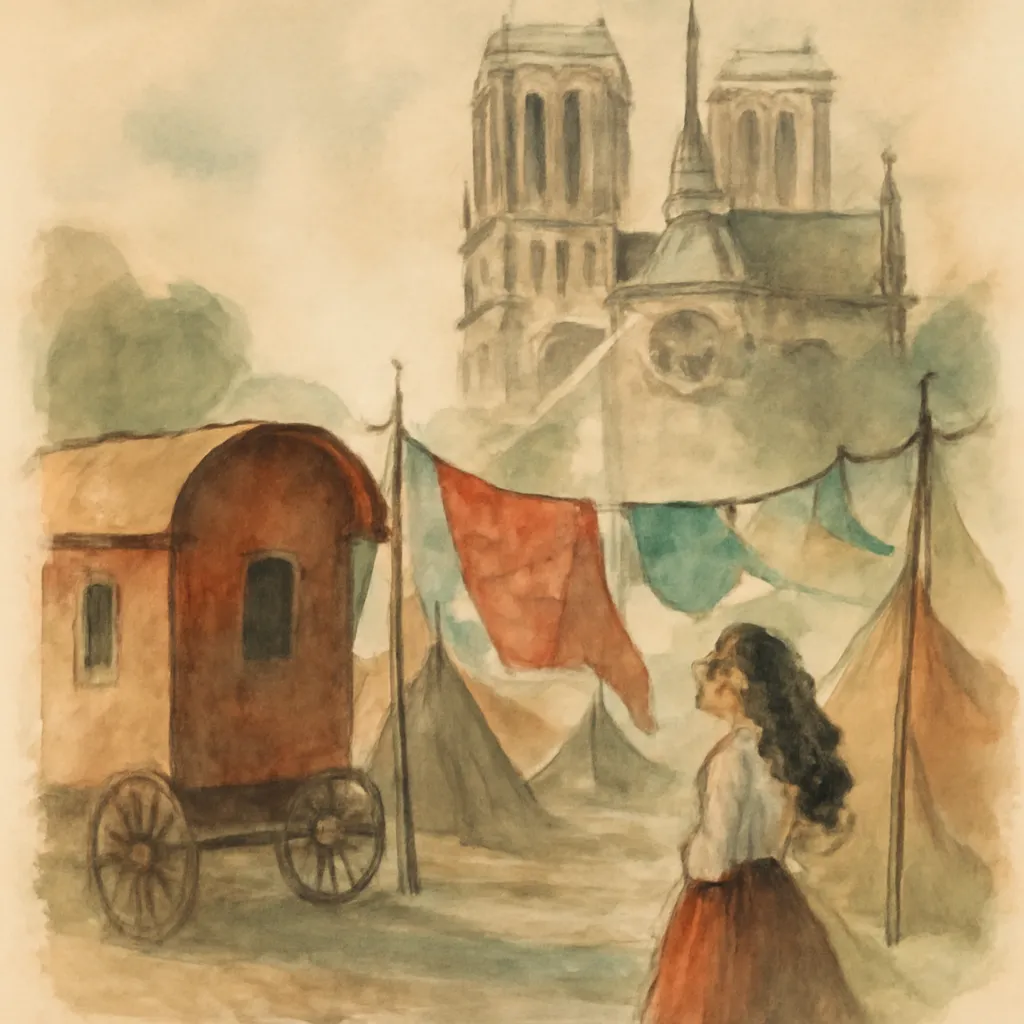
Esmeralda represents the ideal of beauty and freedom, captivating the hearts of many, including Quasimodo and Claude Frollo. Her character embodies the complexities of desire, as she is both revered and objectified by those around her. Esmeralda's gypsy heritage symbolizes a spirit of independence and resilience, challenging the constraints of societal norms. However, her beauty also becomes a source of danger, attracting the obsessive love of Frollo, which ultimately leads to tragedy. Through Esmeralda, Hugo critiques the societal obsession with physical beauty and the ways it can lead to destruction, illustrating the perilous nature of unbridled desire and the vulnerability of those deemed 'other.'
4.Claude Frollo: The Tragic Scholar
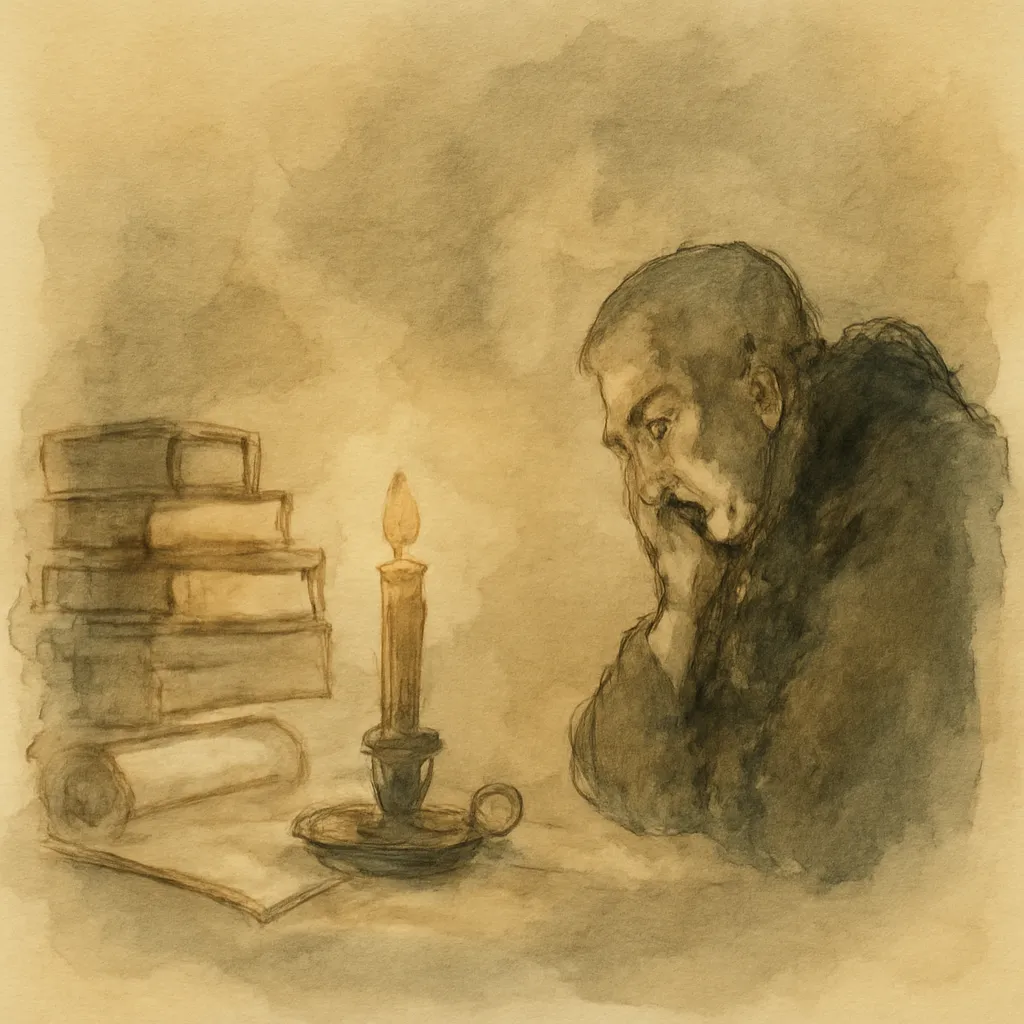
Claude Frollo, the archdeacon of Notre-Dame, represents the conflict between intellect and passion. His scholarly pursuits and deep knowledge of the world are overshadowed by his obsessive love for Esmeralda, revealing the tragic consequences of desire unchecked by reason. Frollo’s character embodies the struggle between duty and personal longing, as he grapples with his responsibilities as a religious leader while succumbing to his primal instincts. His eventual descent into madness highlights the destructive power of obsession and the moral dilemmas faced by those in positions of authority. Frollo’s tragic arc serves as a cautionary tale about the dangers of allowing personal desires to compromise one’s ethical obligations.
5.The Feast of Fools: A Reflection on Society
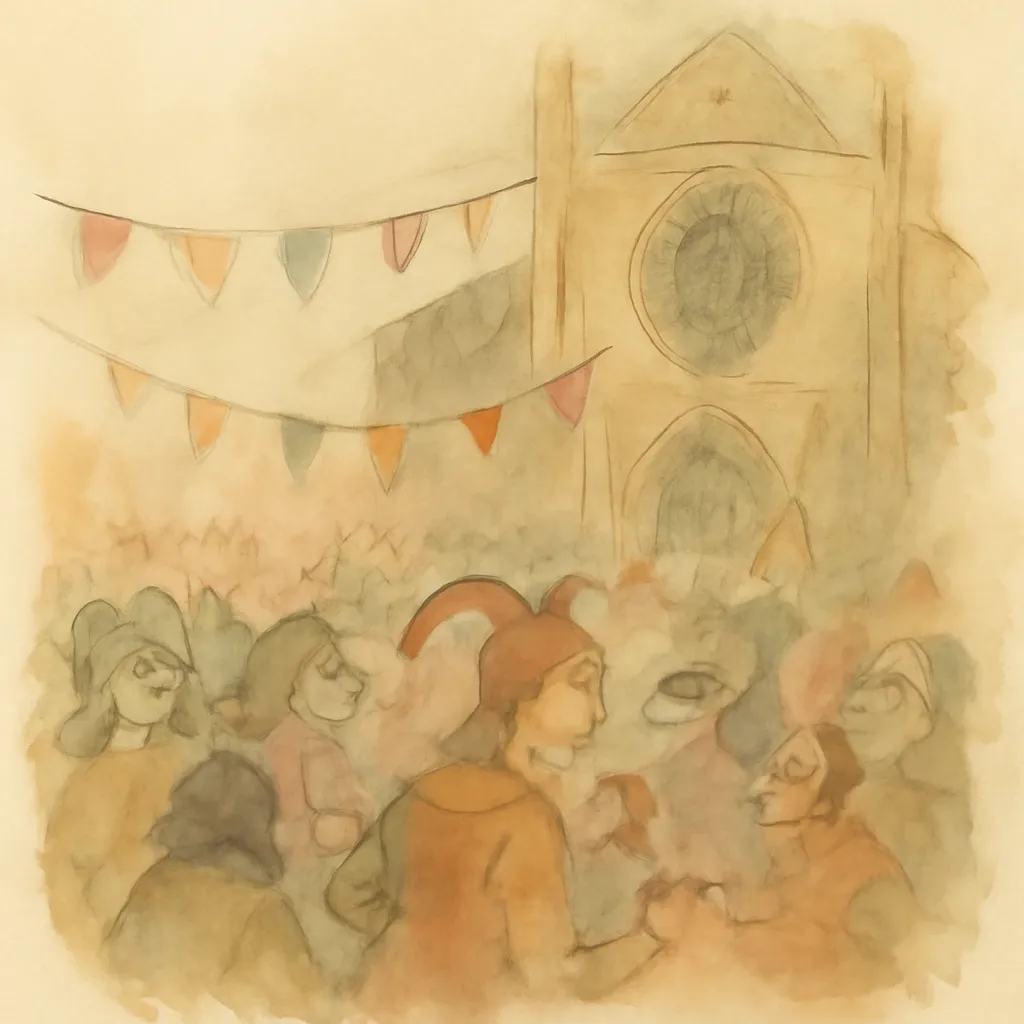
The Feast of Fools serves as a critical lens through which Hugo examines the absurdities of society. This annual celebration, characterized by revelry and chaos, allows the lower classes to mock the upper echelons of society, highlighting the tension between social classes. During this festival, Quasimodo is crowned the 'Pope of Fools,' symbolizing the inversion of societal norms and the fleeting nature of power and status. Hugo uses this event to critique the hypocrisy of social hierarchies, suggesting that beneath the veneer of civility lies a primal chaos. The Feast of Fools is a powerful reminder of the fickle nature of public opinion and the thin line separating order from disorder.
6.Love and Sacrifice: The Core of Tragedy
At its heart, 'The Hunchback of Notre-Dame' is a tale of love and sacrifice. Quasimodo's love for Esmeralda drives him to protect her at all costs, showcasing the depths of his devotion despite societal rejection. This theme of selfless love is mirrored in other relationships throughout the novel, including Frollo's obsessive yet destructive passion. The sacrifices made by characters for the sake of love illuminate the complexities of human emotion and the often-painful choices that accompany it. Hugo’s portrayal of love as both redemptive and destructive underscores the duality of human experience, where the pursuit of love can lead to both fulfillment and profound tragedy.
7.The Role of Fate: An Inescapable Force
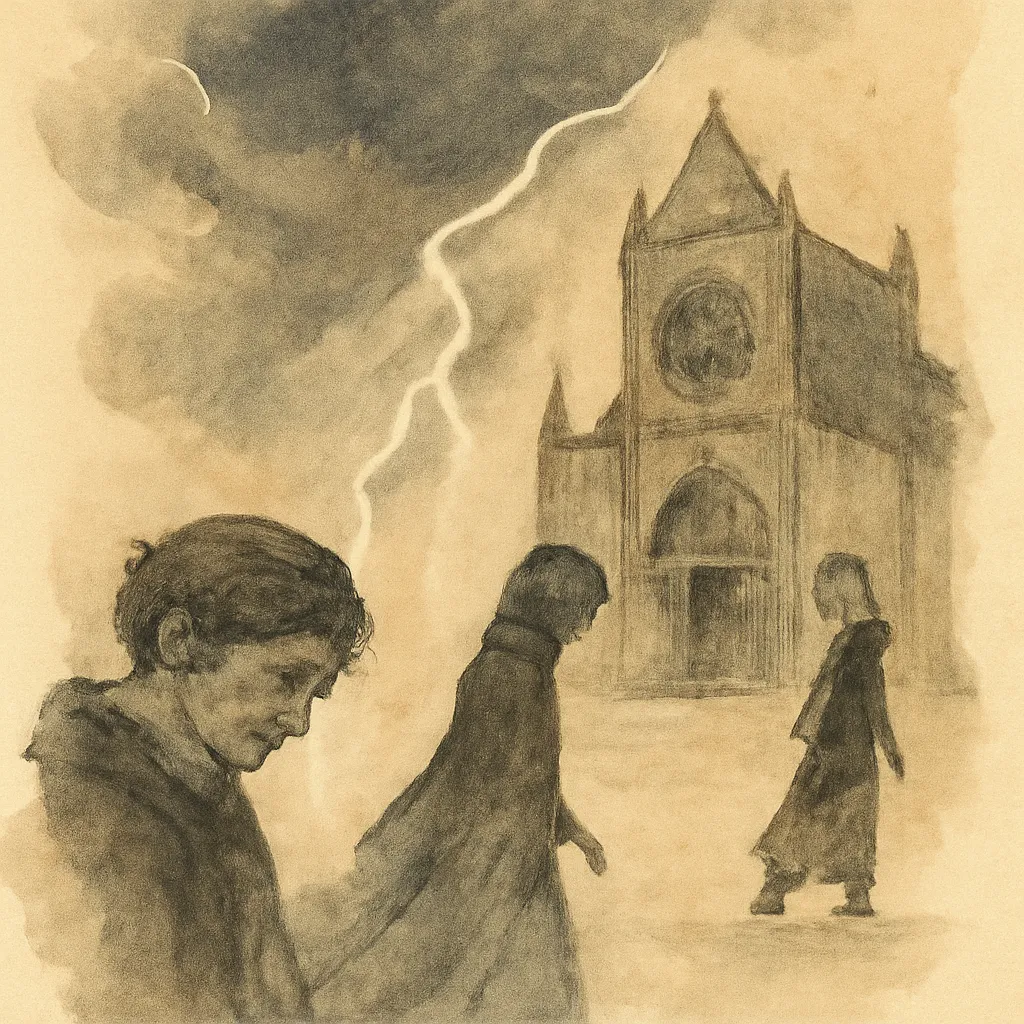
Fate plays a significant role in shaping the destinies of the characters in 'The Hunchback of Notre-Dame.' Hugo presents fate as an omnipresent force that intertwines with free will, often leading characters to their inevitable demise. The tragic outcomes faced by Quasimodo, Esmeralda, and Frollo suggest that their fates are preordained by the societal structures and personal choices that confine them. This exploration of fate versus free will challenges readers to consider the extent to which individuals control their destinies. Through the lens of fate, Hugo emphasizes the fragility of human life and the often-unforgiving nature of the world.
8.The Social Commentary: Class and Inequality
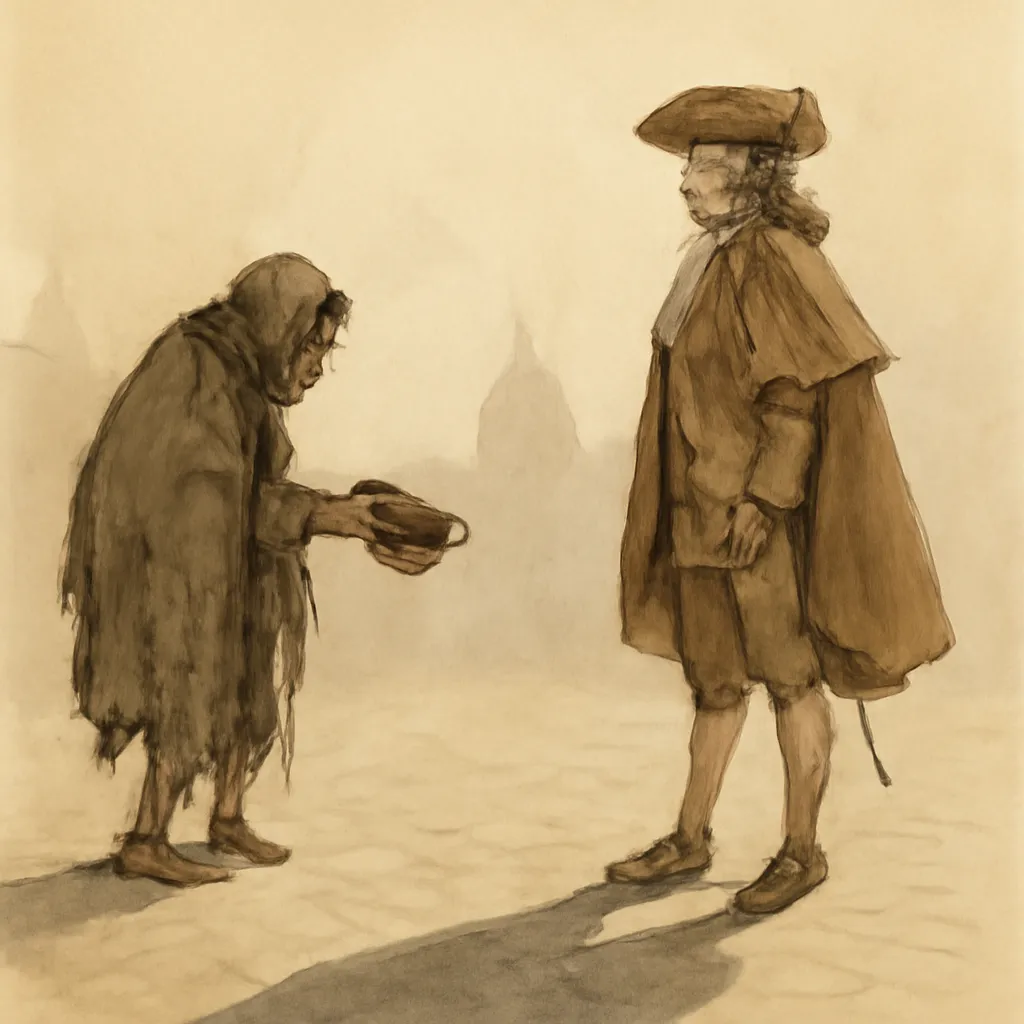
Hugo's narrative serves as a powerful critique of the class disparities and social injustices prevalent in 15th-century Paris. The stark contrasts between the lives of the wealthy and the impoverished are vividly illustrated through the characters’ experiences. Esmeralda’s plight as a marginalized gypsy and Quasimodo’s status as a deformed outcast highlight the ways in which society ostracizes those who do not conform to its standards. Hugo’s depiction of the upper classes as corrupt and hypocritical contrasts sharply with the innate goodness found in the lower classes, suggesting that true humanity lies not in status but in compassion and empathy. This social commentary remains relevant today, prompting reflection on contemporary issues of inequality and injustice.
9.The Symbolism of the Bell: Sound and Silence
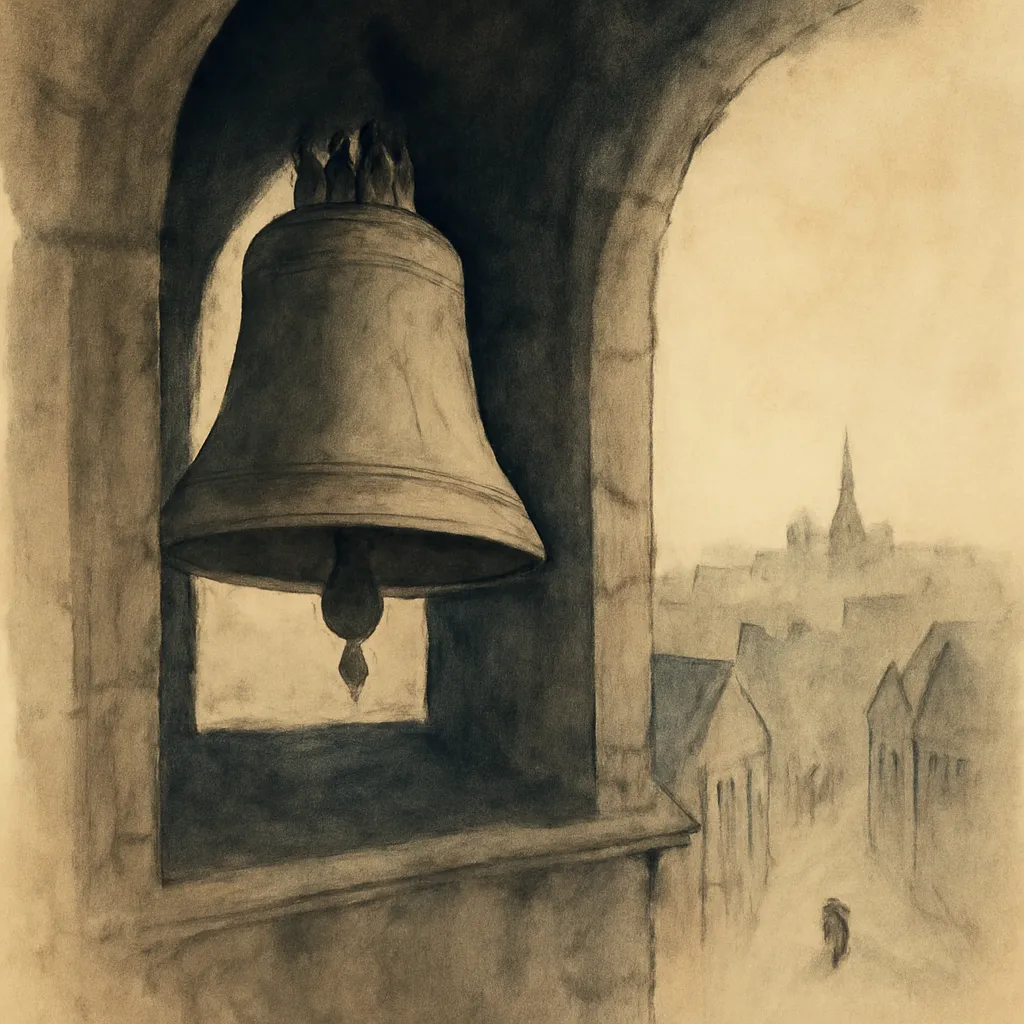
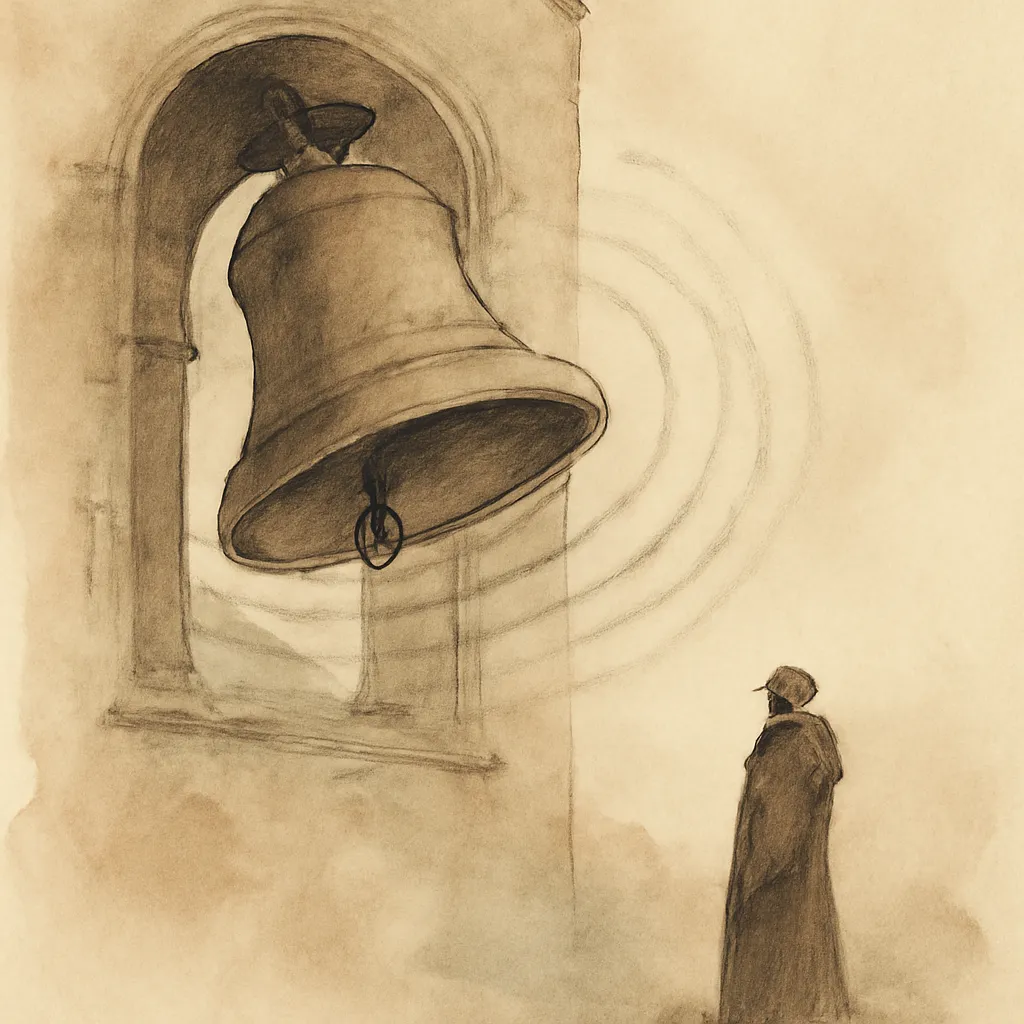
The bells of Notre-Dame serve as a powerful symbol throughout the narrative, representing both the passage of time and the emotional resonance of the characters’ experiences. Quasimodo’s role as the bell-ringer connects him to the cathedral and the city, emphasizing the relationship between sound and identity. The tolling of the bells marks significant moments in the story, evoking feelings of joy, despair, and inevitability. Furthermore, Quasimodo’s deafness serves as a poignant contrast to the bells’ significance, highlighting the theme of isolation and the longing for connection. Through this symbolism, Hugo explores the complexities of communication, the weight of silence, and the emotional landscapes of his characters.
10.The Enduring Legacy of 'The Hunchback of Notre-Dame'
Hugo's 'The Hunchback of Notre-Dame' continues to resonate with readers today, not only for its compelling narrative but also for its exploration of timeless themes. The novel’s rich characterizations, intricate symbolism, and profound social commentary invite reflection on the human condition and the struggles faced by marginalized individuals. The enduring legacy of the story is evident in its adaptations across various media, from film to theater, each reinterpreting the characters and themes for new audiences. Hugo’s masterful storytelling encourages readers to confront the complexities of love, acceptance, and the societal constructs that shape our lives. Ultimately, the novel serves as a reminder of the importance of empathy and understanding in a world often marked by division and prejudice.