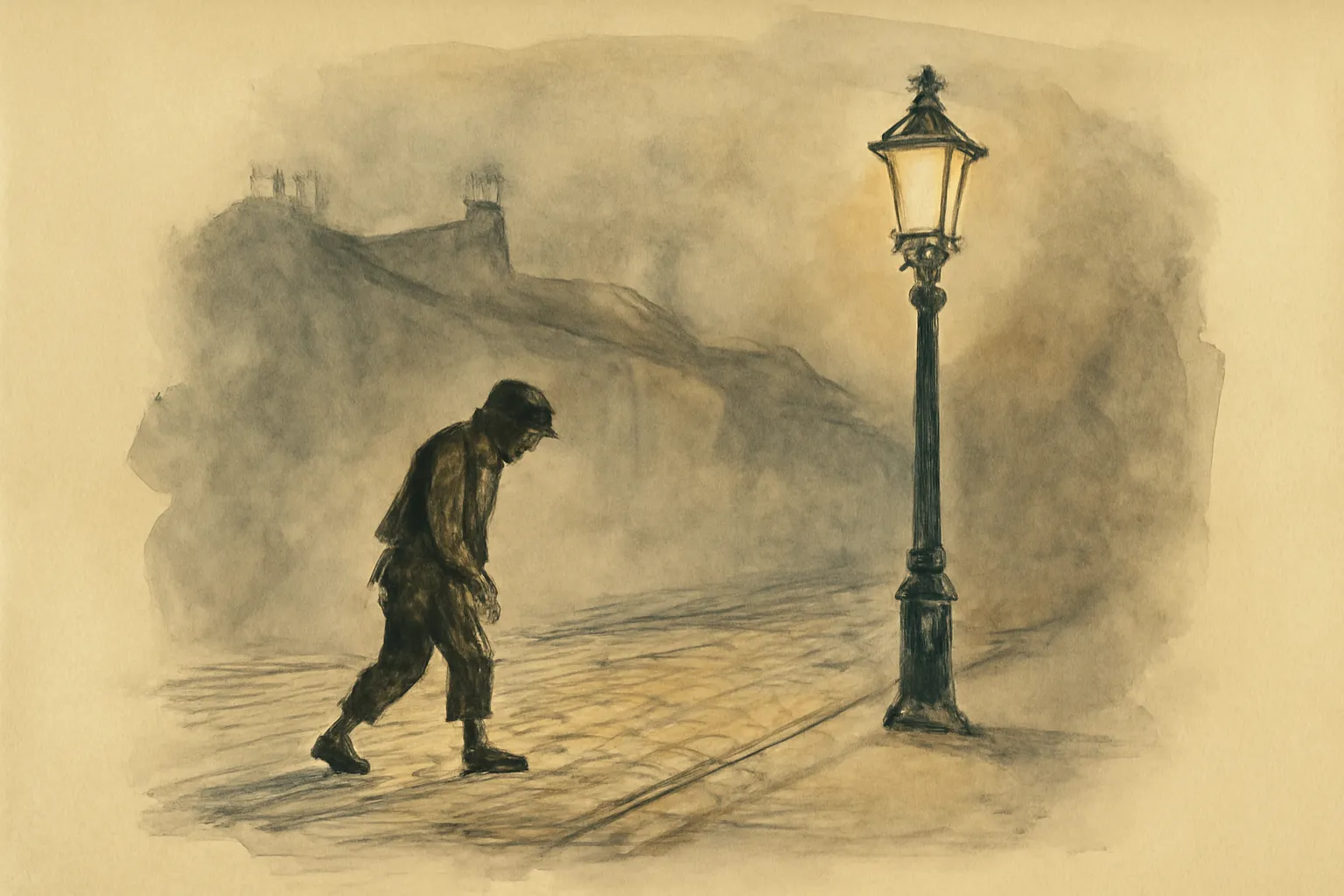
Victor Hugo's 'Les Misérables' is a sweeping narrative that delves into the complexities of human nature, love, and the quest for justice. Spanning several decades in post-revolutionary France, the story intertwines the lives of memorable characters, showcasing their struggles against poverty, oppression, and moral dilemmas. At its heart lies the profound journey of Jean Valjean, a man seeking redemption after being imprisoned for stealing a loaf of bread. Through vivid storytelling, Hugo paints a vivid picture of society's failings while advocating for empathy towards the marginalized. Readers will find themselves immersed in a tale that challenges the reader's understanding of morality and the capacity for change in a world rife with suffering and inequality.
In 'Les Misérables,' Victor Hugo masterfully weaves a narrative that explores the depths of human suffering while illuminating the potential for redemption through love and compassion. The stories of Jean Valjean, Fantine, Cosette, and Javert compel readers to reflect on the societal structures that contribute to injustice and the power of empathy to effect change. Through rich character development and poignant themes, the novel underscores that the struggle for justice is both a personal and collective endeavor. As readers navigate the complexities of morality and humanity, they are left with a profound understanding of the importance of compassion in creating a more equitable world. 'Les Misérables' remains a timeless reminder that even in the face of despair, hope and love can triumph over adversity.