1.The Bishop of D——: A Beacon of Compassion
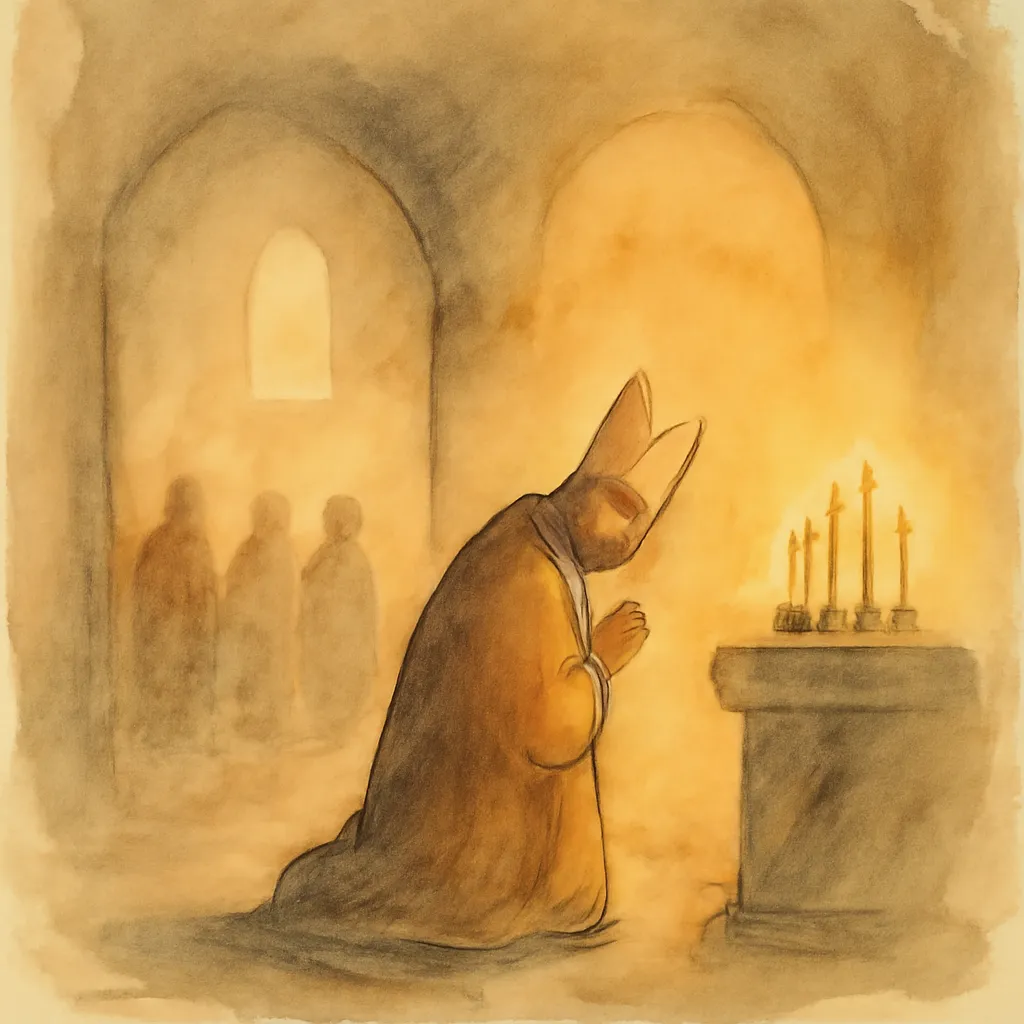
The character of Bishop Myriel serves as a moral compass in the narrative. Hugo introduces him as a man who has renounced his noble lineage to serve the poor and the sick. Despite his elevated status as a bishop, Myriel's humility and kindness shine through his actions, such as when he shares his meager resources with those in need. His famous encounter with Jean Valjean, where he forgives the convict for stealing his silver and even gifts him more, sets the stage for Valjean's transformation. This act of mercy illustrates the book's core theme: compassion can lead to profound change. Myriel's presence in the story emphasizes that true nobility lies not in one's title, but in one's actions toward others, particularly the downtrodden.
2.Jean Valjean's Journey from Convict to Redeemed
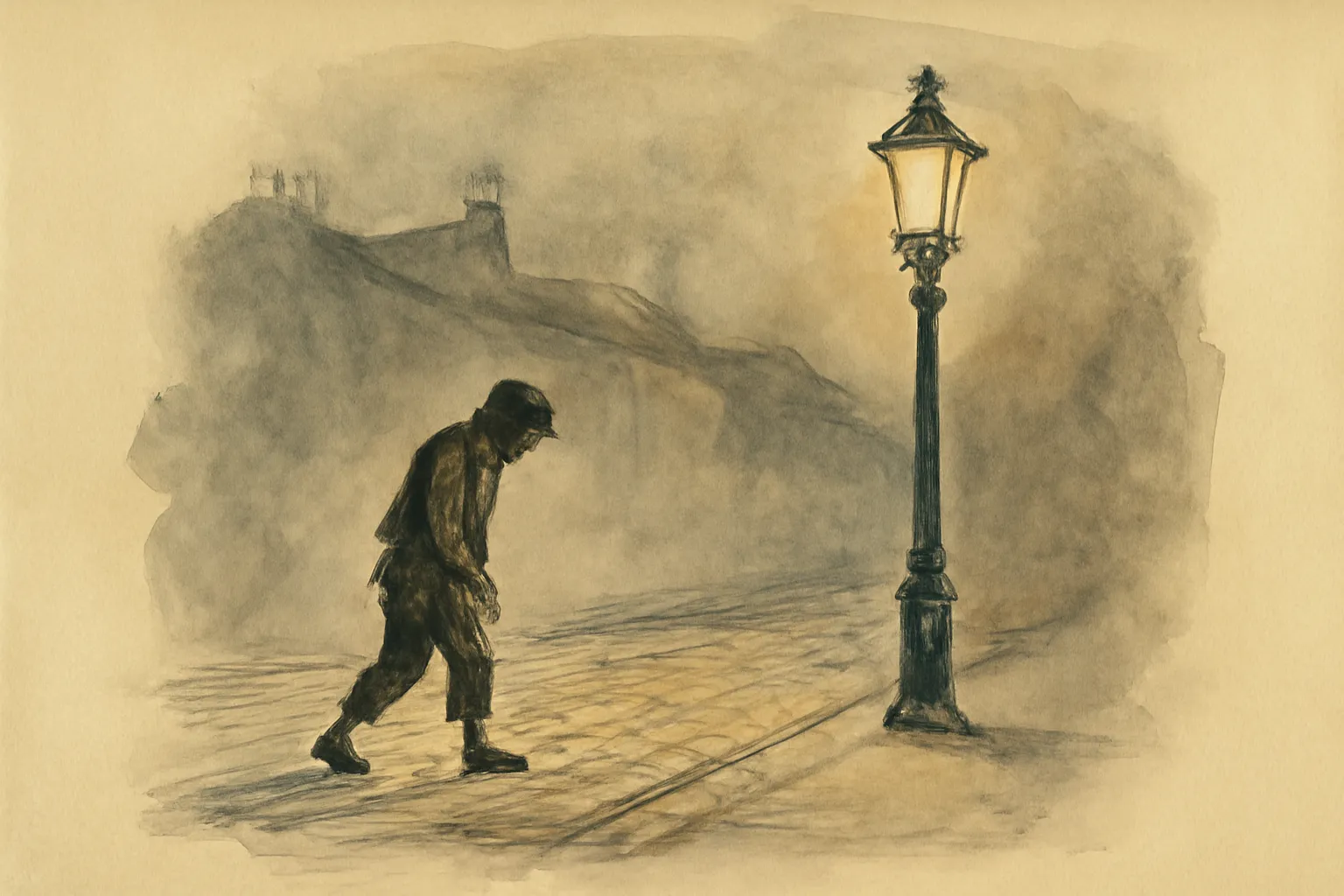
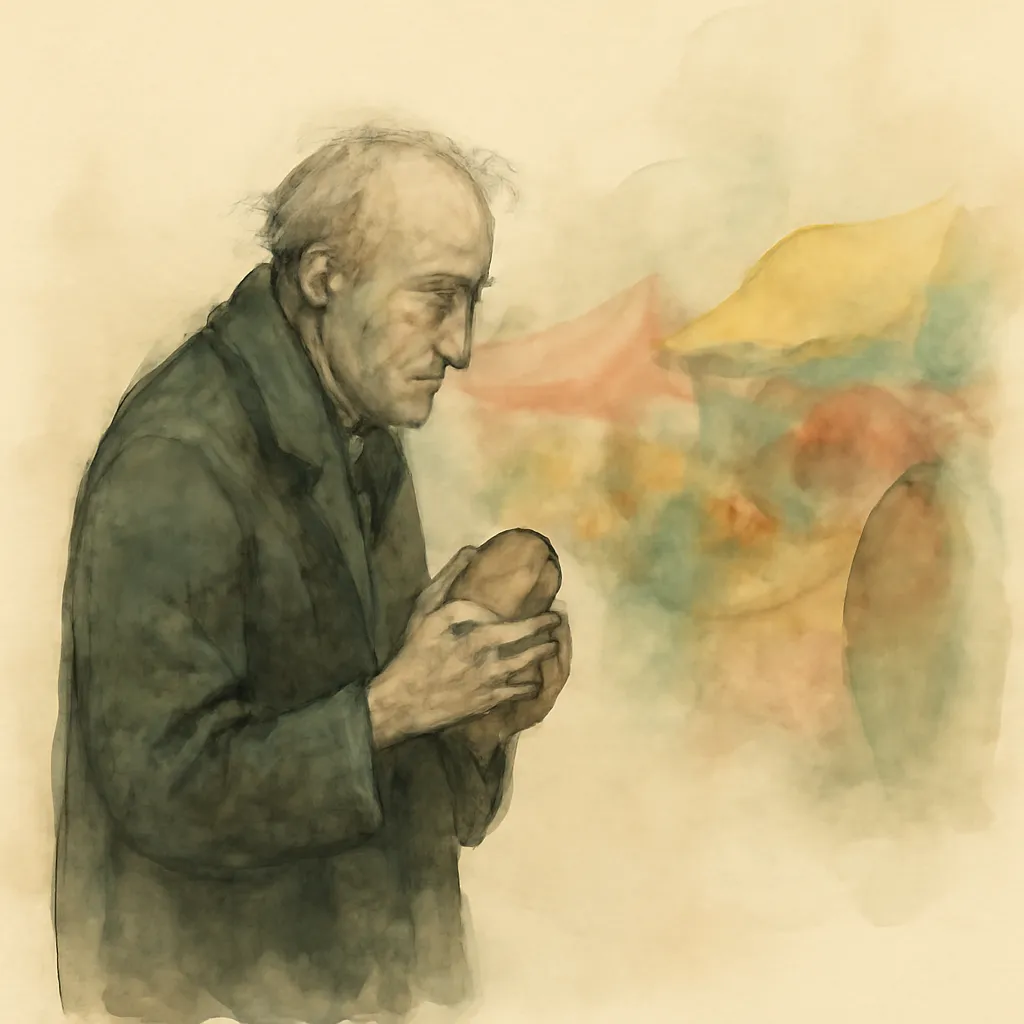
Jean Valjean's transformation is central to 'Les Misérables.' After spending nineteen years in prison for stealing a loaf of bread, he emerges embittered and hardened by society's cruelty. Initially, Valjean struggles to reintegrate into a world that shuns him due to his past. However, the bishop's act of kindness ignites a desire for redemption within him. Valjean's journey is not just about escaping the shackles of his former life; it is about embracing a new identity that prioritizes compassion and altruism. He dedicates himself to helping others, ultimately becoming a father figure to the orphaned Cosette. Valjean's evolution reflects the possibility of change and redemption, suggesting that one's past does not define their future.
3.Cosette: The Symbol of Innocence and Hope
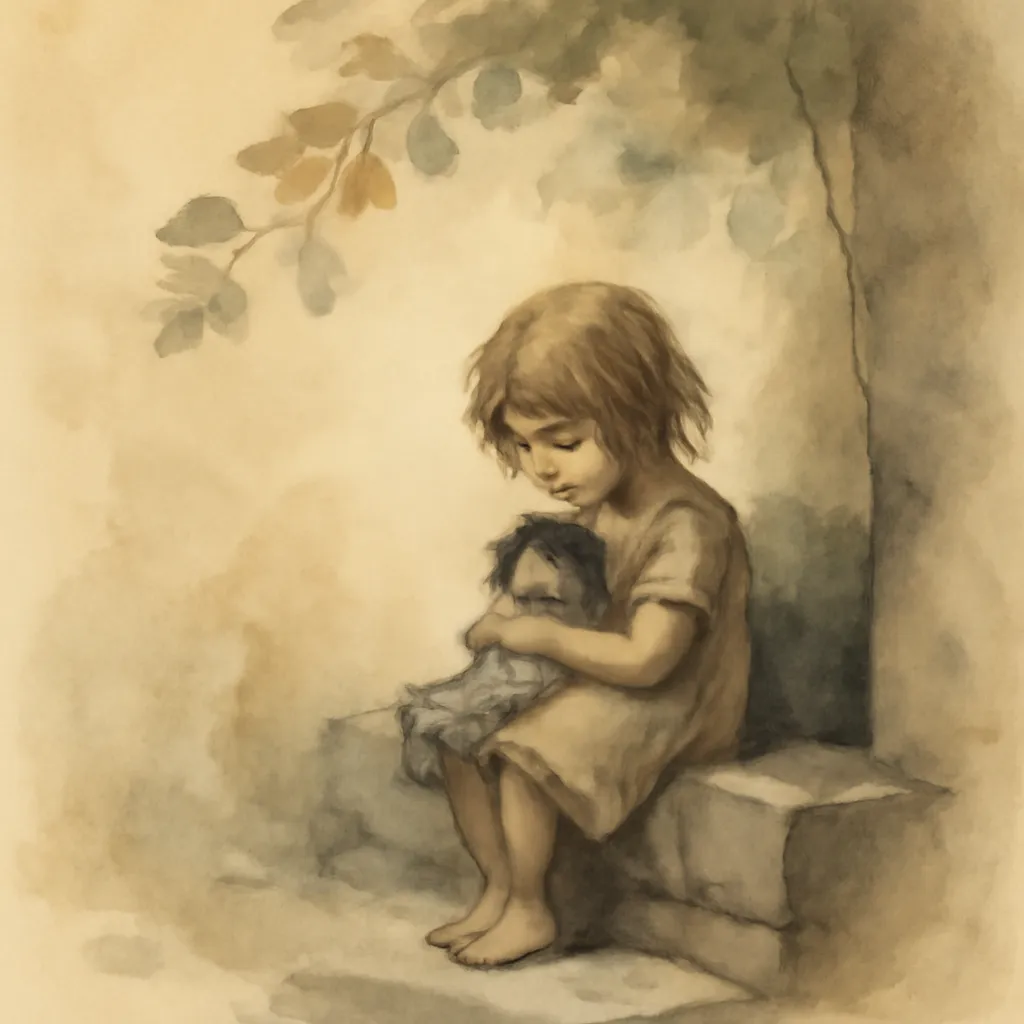
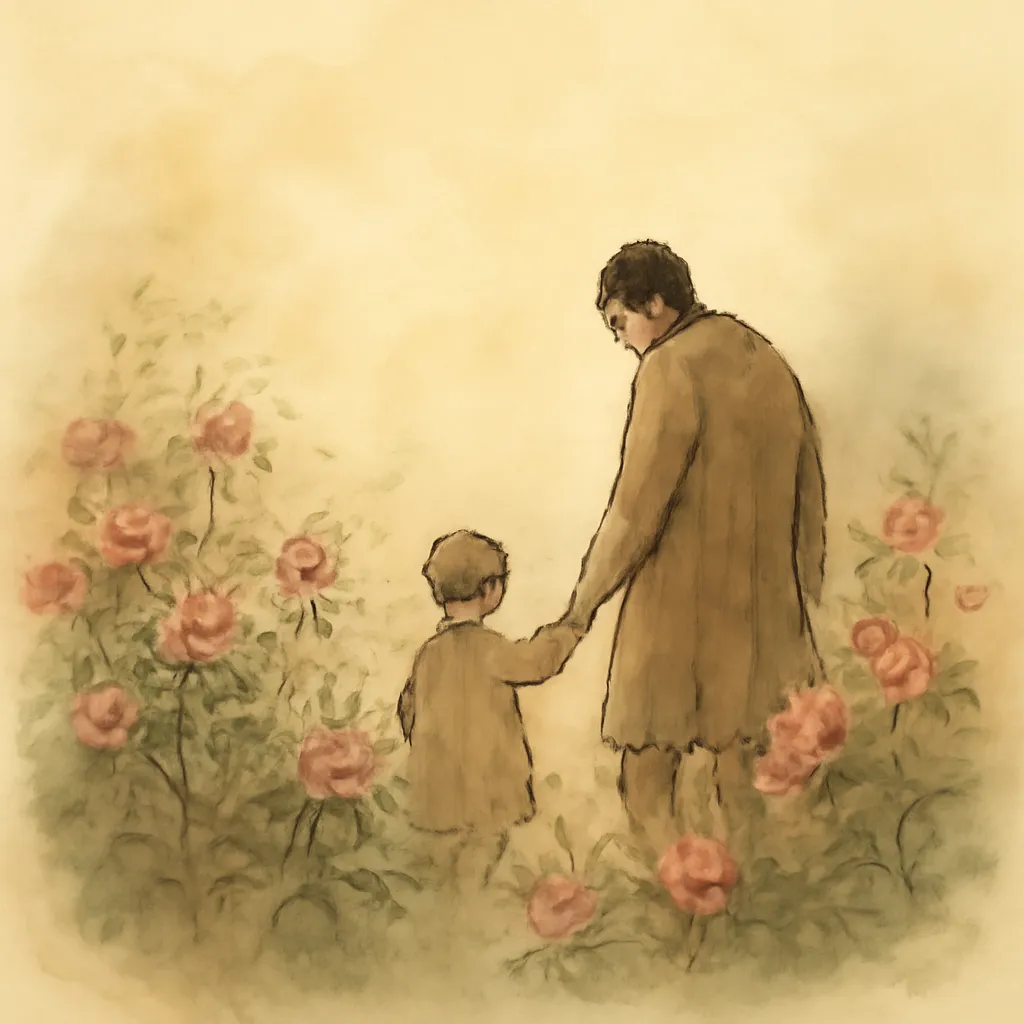
Cosette represents the innocent victims of society's injustices. Abandoned by her mother and forced to endure hardship at the hands of the cruel innkeepers, the Thénardiers, she embodies the plight of countless children affected by poverty. Valjean's decision to rescue Cosette marks a pivotal moment in his redemption arc. He not only provides her with a loving home but also nurtures her dreams and aspirations. Through Cosette, Hugo illustrates the impact of love and kindness on a young life, emphasizing that hope can flourish even in the darkest circumstances. Her character serves as a reminder that the future rests in the hands of the next generation, and that nurturing innocence is vital for societal change.
4.The Struggles of Fantine: A Tragic Representation of Society's Failures
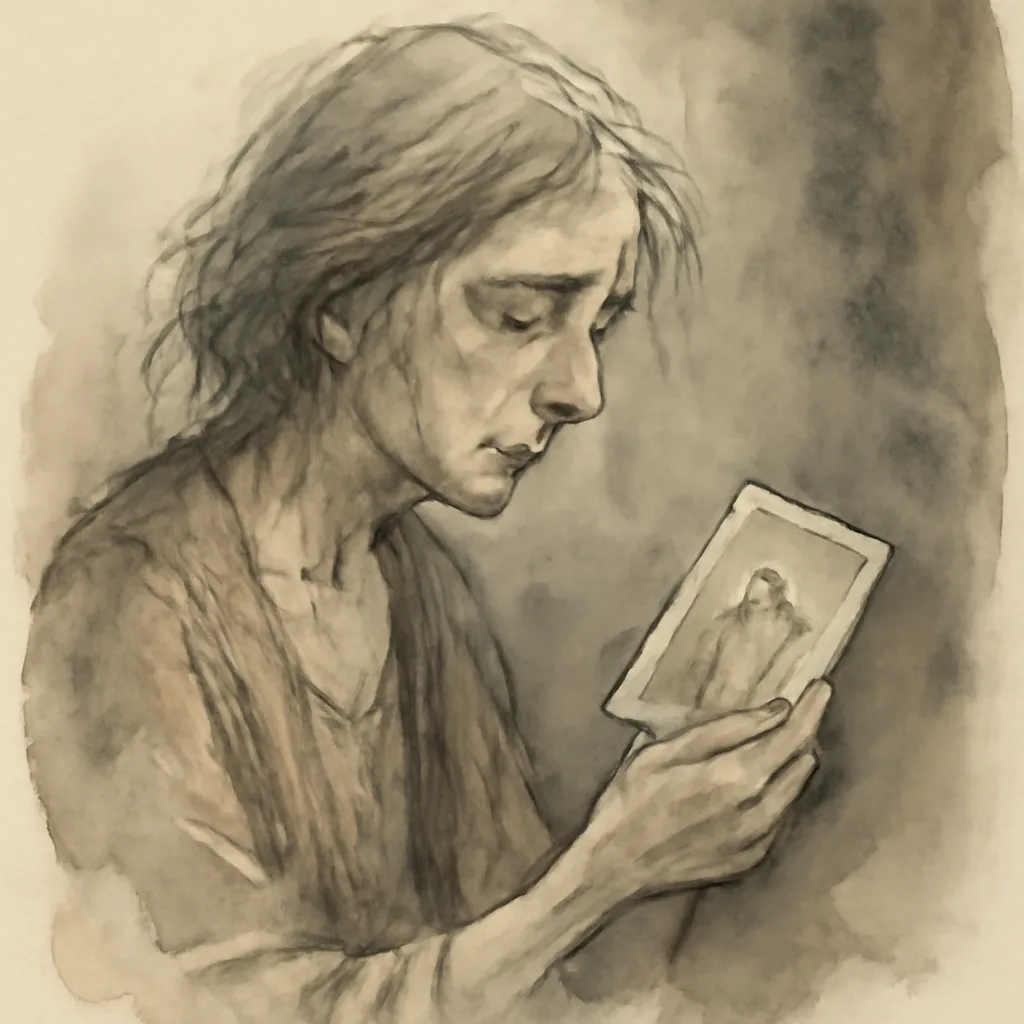
Fantine's story exemplifies the tragic consequences of societal neglect and moral hypocrisy. Once a beautiful young woman with dreams of love and family, her life spirals into despair after being abandoned by the father of her child. Forced to resort to desperate measures, including prostitution, to support her daughter, Fantine's plight reveals the harsh realities faced by women in a patriarchal society. Her tragic death serves as a commentary on the systemic failures that drive individuals into destitution. Fantine's journey underscores the importance of social justice and the need for compassion towards those who fall victim to circumstance. Her character evokes empathy and serves as a critique of a society that often turns a blind eye to suffering.
5.Javert: The Relentless Pursuer of Justice
Inspector Javert embodies the rigid moral code that governs society's understanding of justice. A former convict himself, he is unwavering in his belief that the law must be upheld at all costs, leading him to pursue Valjean relentlessly. Javert represents the conflict between the law and compassion, as he cannot reconcile Valjean's acts of kindness with his criminal past. His character raises questions about the nature of justice: is it a strict adherence to the law, or should it encompass mercy and understanding? Ultimately, his inability to adjust his worldview leads to his tragic end, emphasizing that a rigid interpretation of justice can have devastating consequences. Javert's struggle reflects the larger societal tension between law and humanity, prompting readers to consider the complexities of morality.
6.The Paris Uprising: A Reflection of Revolutionary Ideals
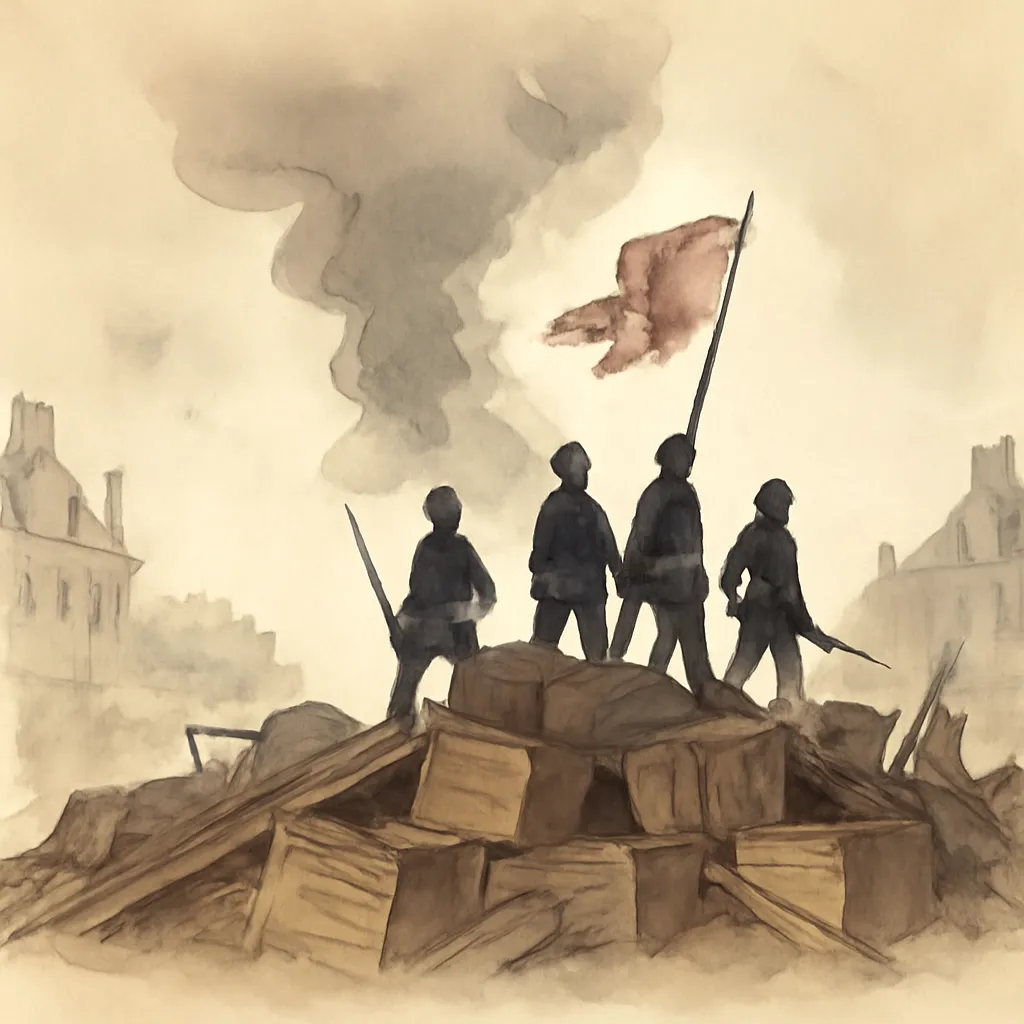
The barricades in Paris serve as a backdrop for the novel's exploration of revolutionary fervor. The young revolutionaries, including Enjolras and Marius, embody the hope for a better future, inspired by the ideals of liberty, equality, and fraternity. Their commitment to fighting for the oppressed highlights the novel's theme of social justice and the belief that change is possible through collective action. However, the tragic outcome of the uprising serves as a sobering reminder of the cost of such ideals. Hugo captures the spirit of the time, illustrating the passion and sacrifice of those who dare to challenge the status quo. The barricades symbolize both the hope for change and the harsh realities of conflict, encapsulating the struggle for justice in a tumultuous society.
7.The Role of Memory and the Past in Shaping Identity
Throughout 'Les Misérables,' the past looms large over the characters, influencing their choices and shaping their identities. Valjean's criminal record follows him like a shadow, complicating his efforts to forge a new life. Similarly, Javert's past as a convict informs his unyielding pursuit of justice, blinding him to the nuances of human experience. Hugo emphasizes that one's history cannot be easily escaped; it informs who we are and how we interact with the world. This theme resonates with readers, encouraging reflection on how personal experiences shape individual identity and moral choices. The novel suggests that while the past is inescapable, it is possible to redefine one's future through acts of compassion and love.
8.Love as a Redemptive Force
Love emerges as a central theme in 'Les Misérables,' serving as a catalyst for change and redemption. Valjean's love for Cosette transforms him from a hardened convict into a caring father, illustrating the power of love to heal and inspire. Similarly, Marius's love for Cosette motivates him to fight for justice during the uprising, highlighting the connection between love and social responsibility. Love in the novel is not confined to romantic relationships; it encompasses familial bonds, friendships, and compassion for strangers. Hugo posits that love has the power to transcend social barriers, igniting a desire for justice and change. The characters' journeys illustrate that love can lead to profound transformation, reinforcing the idea that empathy is essential for a just society.
9.Societal Critique: The Failures of Justice and Class Inequality
Hugo's narrative serves as a poignant critique of the societal structures that perpetuate injustice and inequality. The stark contrast between the lives of the wealthy and the impoverished highlights the systemic failures that allow suffering to persist. Characters like the Thénardiers exemplify the exploitation of the vulnerable, while Valjean's struggles reveal the harsh realities of life for the poor. Hugo's portrayal of the justice system, represented by Javert, critiques the rigidity of the law that often punishes rather than rehabilitates. Through vivid imagery and powerful storytelling, Hugo challenges readers to confront the injustices of their own society, advocating for empathy and reform. The novel calls for a reexamination of societal values, urging a shift toward compassion and understanding for those marginalized by circumstance.
10.The Nature of Hope: Resilience in the Face of Despair
Hope is a recurring motif in 'Les Misérables,' serving as a powerful force that propels characters forward despite overwhelming adversity. Valjean's journey from despair to redemption illustrates the resilience of the human spirit. Even in the darkest moments, such as Fantine's tragic fate or Cosette's suffering, there remains a glimmer of hope that inspires characters to persevere. Hugo suggests that hope is not naive optimism; rather, it is a conscious choice to believe in the possibility of change. This theme resonates deeply with readers, encouraging them to hold onto hope even in the face of challenges. The novel ultimately asserts that hope can be a transformative force, guiding individuals toward a better future and instilling the courage to confront injustice.