Fiction · Short Reads
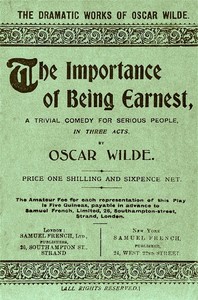
The Importance of Being Earnest by Oscar Wilde — Summary, Key Ideas & Full Text
68 pages6 chapters1h 22m read58 min speed read✦ 7-min Big ideas★ 4.1 (65)Free · no account
Rate it
Oscar Wilde's 'The Importance of Being Earnest' hilariously critiques the absurdities of Victorian society through the lens of mistaken identities and the pursuit of love
Set in the opulent drawing rooms of Victorian England, 'The Importance of Being Earnest' is a brilliant comedy that explores themes of identity, social expectations, and the nature of truth. Through witty dialogue and farcical situations, Wilde exposes the hypocrisy of the upper class, revealing how societal norms can dictate personal relationships and even one's sense of self. As characters navigate a web of lies and misunderstandings, they inadvertently uncover deeper truths about love and authenticity. This play is not just a lighthearted romp; it challenges readers to reflect on their own lives and the masks they wear in society.
Oscar Wilde's 'The Importance of Being Earnest' remains a timeless exploration of the complexities of identity, love, and societal norms. Through its sharp wit and engaging characters, the play invites audiences to reflect on the masks they wear and the truths they conceal. Wilde's critique of Victorian society resonates with contemporary readers, as the themes of authenticity and the absurdity of social conventions continue to be relevant today. In a world where appearances often overshadow reality, Wilde's work encourages individuals to embrace their true selves and seek genuine connections. Ultimately, the play serves as a reminder that the pursuit of love and happiness should transcend societal expectations, urging readers to be earnest in both name and nature.

Oscar Wilde has 5 works free to read on Lumina, including An Ideal Husband, De Profundis, Lady Windermere's Fan
All 5 books by Oscar Wilde →