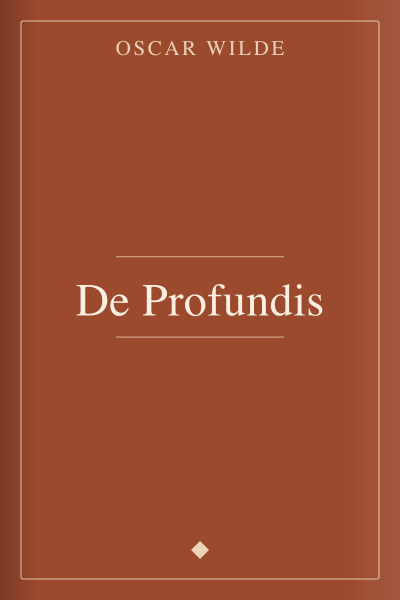

Oscar Wilde's 'De Profundis' is a profound exploration of suffering, identity, and the transformative power of art. Written during his imprisonment, this deeply personal letter reflects on the pain of…
Read full overviewShow less›
Oscar Wilde's 'De Profundis' is a profound exploration of suffering, identity, and the transformative power of art. Written during his imprisonment, this deeply personal letter reflects on the pain of loss, the weight of societal judgment, and the quest for redemption through creativity. Wilde delves into his own experiences, particularly his relationship with his mother, the burden of his public disgrace, and the solace he finds in artistic expression. Readers will uncover how Wilde's reflections not only illuminate his own struggles but also resonate with universal themes of suffering and the quest for meaning. Ultimately, 'De Profundis' serves as a testament to the resilience of the human spirit and the redemptive potential of art in the face of adversity.
Oscar Wilde's 'De Profundis' is a poignant meditation on the interplay between suffering, art, and redemption. Through his deeply personal reflections, Wilde invites readers to confront the complexities of human experience, emphasizing the importance of compassion and understanding in the face of adversity. His exploration of the artist's role in society and the transformative power of creativity serves as a powerful reminder that even in the depths of despair, there exists the potential for beauty and renewal. Ultimately, Wilde's insights resonate far beyond his own life, offering timeless wisdom on the resilience of the human spirit and the enduring significance of art.
- 1The Nature of Suffering
- 2The Burden of Public Shame
- 3Art as a Means of Redemption
- 4The Christ-like Artist
- 5Imagination and Reality
Notable quotes
“Suffering is one very long moment.”
“For us there is only one season, the season of sorrow.”
“I had disgraced that name eternally.”
A glimpse inside

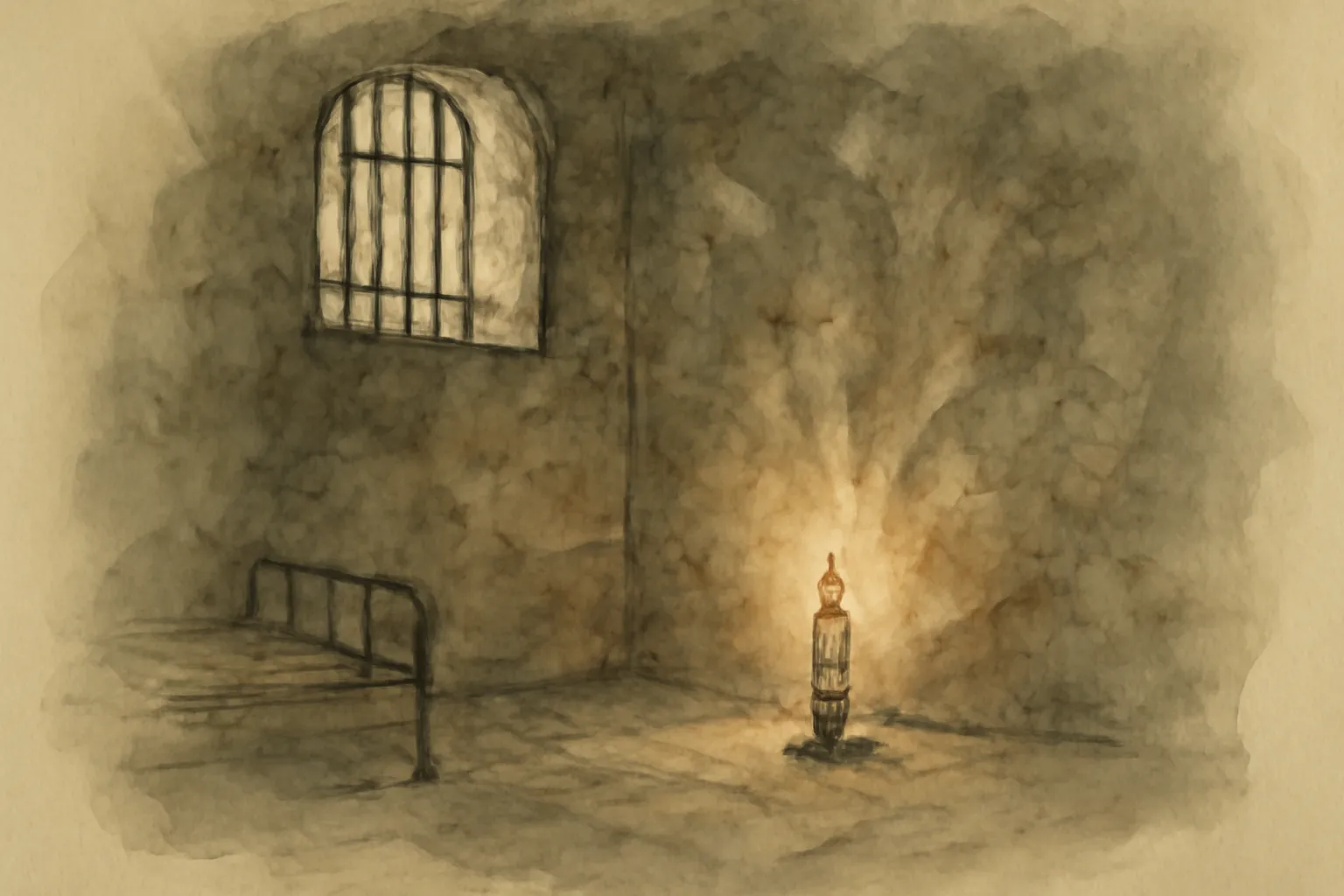
Wilde describes suffering as a singular, unending moment that defies the conventional passage of time. For him, pain does not change with the seasons; it is a relentless… Read moreWilde describes suffering as a singular, unending moment that defies the conventional passage of time. For him, pain does not change with the seasons; it is a relentless cycle that colors every aspect of existence. He shares how each day in his prison cell feels indistinguishable from the last, as the weight of sorrow dulls the vibrancy of life outside. The imagery of twilight serves to illustrate his internal state, where hope and light are consistently obscured. This encapsulation of suffering invites readers to reflect on their own experiences of pain and loss, recognizing that sorrow can often feel isolating and eternal. Wilde's exploration of suffering is not merely personal; it delves into the collective human experience, asking readers to confront the harsh realities of life that often remain unacknowledged in society. Show less
Wilde's insights into societal judgment reveal the profound isolation that accompanies public disgrace. He acknowledges how many released prisoners carry their shame with… Read moreWilde's insights into societal judgment reveal the profound isolation that accompanies public disgrace. He acknowledges how many released prisoners carry their shame with them, hidden away like a secret that festers in the heart. Wilde contrasts his own notoriety with the anonymity of lesser criminals, highlighting the unique challenge he faces as a once-famous figure now branded with infamy. This distinction amplifies his suffering, as he feels the weight of his past fame overshadowing any chance for personal redemption. He recognizes that while some may sin in obscurity, he is eternally marked by his past, making reintegration into society a daunting task. This reflection challenges readers to consider how society treats those who have erred and the moral implications of ostracizing individuals rather than seeking to understand and support their reintegration. Wilde's experience serves as a cautionary tale about the fragility of reputation and the ease with which society can turn upon its own. Show less
Read the full text — free
About the author
Oscar Wilde has 3 works free to read on Lumina, including The Importance of Being Earnest, The Picture of Dorian Gray.
All 3 books by Oscar Wilde →Frequently asked
Worlds to get lost in
Take Lumina everywhere
Read offline, listen to AI summaries, speed-read, and sync your progress across devices — free on iPhone.
Download for iPhone