1.The Nature of Suffering
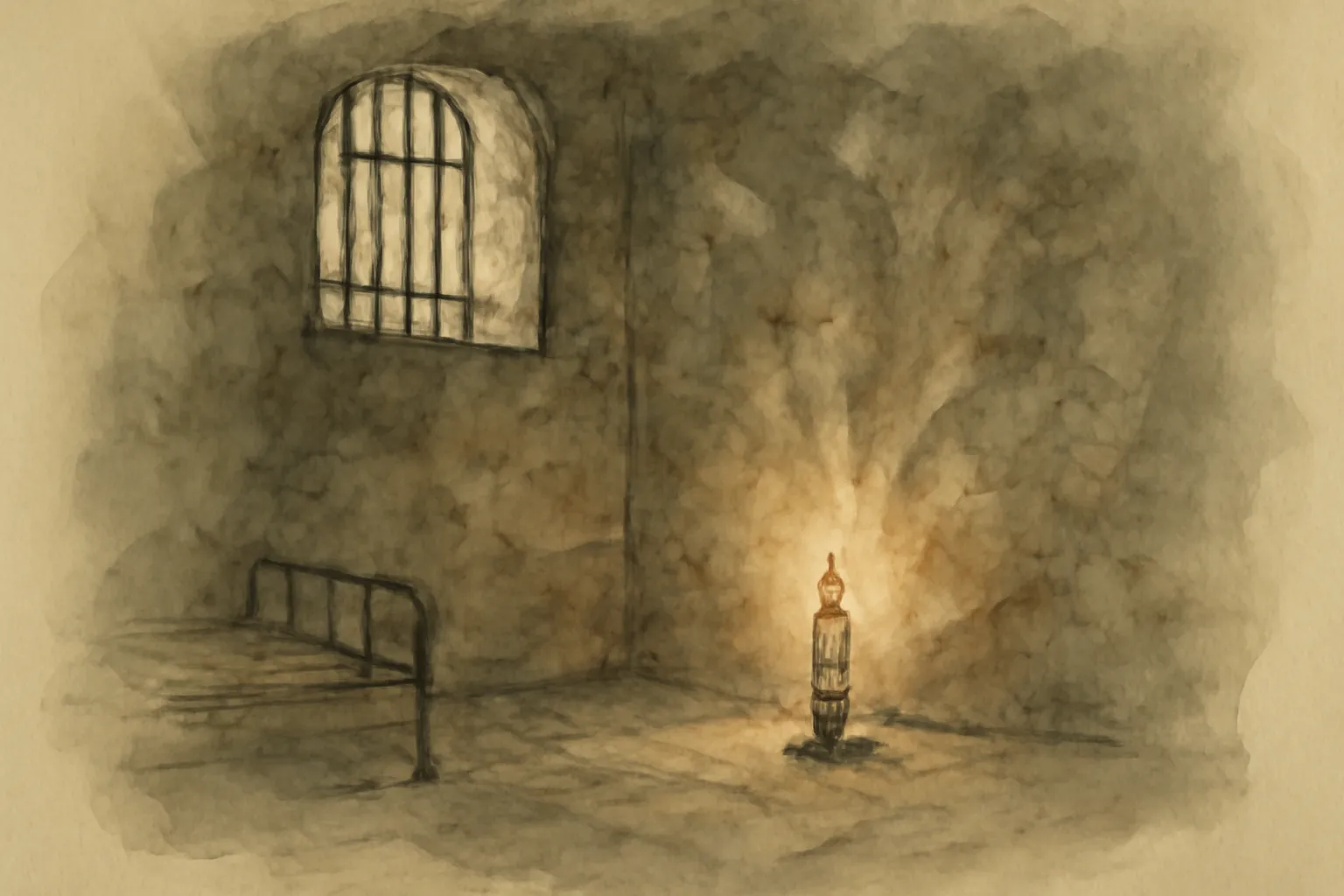
Wilde describes suffering as a singular, unending moment that defies the conventional passage of time. For him, pain does not change with the seasons; it is a relentless cycle that colors every aspect of existence. He shares how each day in his prison cell feels indistinguishable from the last, as the weight of sorrow dulls the vibrancy of life outside. The imagery of twilight serves to illustrate his internal state, where hope and light are consistently obscured. This encapsulation of suffering invites readers to reflect on their own experiences of pain and loss, recognizing that sorrow can often feel isolating and eternal. Wilde's exploration of suffering is not merely personal; it delves into the collective human experience, asking readers to confront the harsh realities of life that often remain unacknowledged in society.
2.The Burden of Public Shame
Wilde's insights into societal judgment reveal the profound isolation that accompanies public disgrace. He acknowledges how many released prisoners carry their shame with them, hidden away like a secret that festers in the heart. Wilde contrasts his own notoriety with the anonymity of lesser criminals, highlighting the unique challenge he faces as a once-famous figure now branded with infamy. This distinction amplifies his suffering, as he feels the weight of his past fame overshadowing any chance for personal redemption. He recognizes that while some may sin in obscurity, he is eternally marked by his past, making reintegration into society a daunting task. This reflection challenges readers to consider how society treats those who have erred and the moral implications of ostracizing individuals rather than seeking to understand and support their reintegration. Wilde's experience serves as a cautionary tale about the fragility of reputation and the ease with which society can turn upon its own.
3.Art as a Means of Redemption
Wilde passionately advocates for the role of art in healing and self-discovery. He believes that creating beauty can counteract the venom of malice and the sneers of cowardice that accompany his disgrace. Art becomes his refuge, a way to reclaim his identity and assert his worth in a world that seeks to define him solely by his failures. Wilde's conviction that producing even a single beautiful work can restore his dignity reflects the transformative power of creativity. He argues that art serves as a bridge between the artist's inner turmoil and the wider world, allowing for a shared connection with others. Through this lens, readers are invited to explore their own artistic inclinations as potential pathways to redemption and self-expression. Wilde's reflections suggest that the act of creation can transcend personal suffering, transforming anguish into something universally relatable and beautiful.
4.The Christ-like Artist
Wilde draws parallels between the life of Christ and that of the artist. He emphasizes that both embody a profound understanding of human suffering and the necessity of imaginative sympathy. Just as Christ empathized with the marginalized and the suffering, Wilde believes artists must connect deeply with the human experience to create meaningful work. This connection is rooted in the idea that true artistry emerges from an intimate understanding of pain and joy alike. Wilde argues that the artist has a moral obligation to reflect the complexities of human existence, much like Christ did during his lifetime. By aligning himself with this vision of the artist, Wilde positions creativity as a moral endeavor, elevating the act of creation to a spiritual calling. This perspective invites readers to reconsider the role of the artist in society, not just as entertainers but as profound commentators on the human condition.
5.Imagination and Reality
Wilde explores the interplay between imagination and reality, asserting that the essence of human experience is shaped by our perceptions. He reflects on how our understanding of the world is filtered through our minds, suggesting that reality is not merely what we see but what we interpret. This notion resonates deeply in the context of his suffering, where the confines of his prison cell distort his perception of freedom and joy. Wilde posits that if one can master their imagination, they can transform their suffering into a source of strength and inspiration. This leads him to the realization that the mind holds significant power over one's emotional state and experiences. Wilde's assertion that 'the great sins of the world take place in the brain' serves as a reminder of the power of thought and imagination in both shaping our realities and influencing our emotional states. His reflections encourage readers to harness their imagination positively, suggesting that creativity can be an avenue for overcoming despair.
6.The Gospels and Artistic Inspiration
Wilde finds solace in the Gospels, viewing them as a source of profound artistic inspiration. He engages with the text, reflecting on the freshness and charm that often eludes modern interpretations. This return to the original Greek provides him with a sense of connection to the divine and the authentic voice of Christ. By immersing himself in these teachings, Wilde seeks to understand the deeper truths of humanity that transcend time and cultural context. He admires how the Gospels express profound compassion and understanding, which he believes should be mirrored in artistic expression. Wilde's study of the Gospels reinforces the idea that art and spirituality are intertwined, offering readers a glimpse into how sacred texts can inform and elevate artistic expression. He emphasizes that artists, like Christ, have a responsibility to inspire and uplift, transforming the mundane into the extraordinary through their work.
7.The Role of Memory in Art
Wilde contemplates the significance of memory in the creative process, recognizing that his own experiences of suffering must inform his work. He acknowledges that while art begins where imitation ends, it is shaped by the rich tapestry of personal memories and emotions. This emphasis on memory highlights the importance of authenticity in artistic creation, suggesting that true art must resonate with the artist's lived experience. Wilde's intention to weave his suffering into his art reflects a broader truth: that the most powerful works often emerge from the depths of personal hardship and introspection. He argues that memory serves as a reservoir of inspiration, allowing artists to tap into their experiences and convert pain into beauty. This notion invites readers to reflect on the role of their own memories and experiences in shaping their artistic expressions, emphasizing that authenticity and vulnerability can lead to profound and impactful art.
8.The Struggle for Authentic Expression
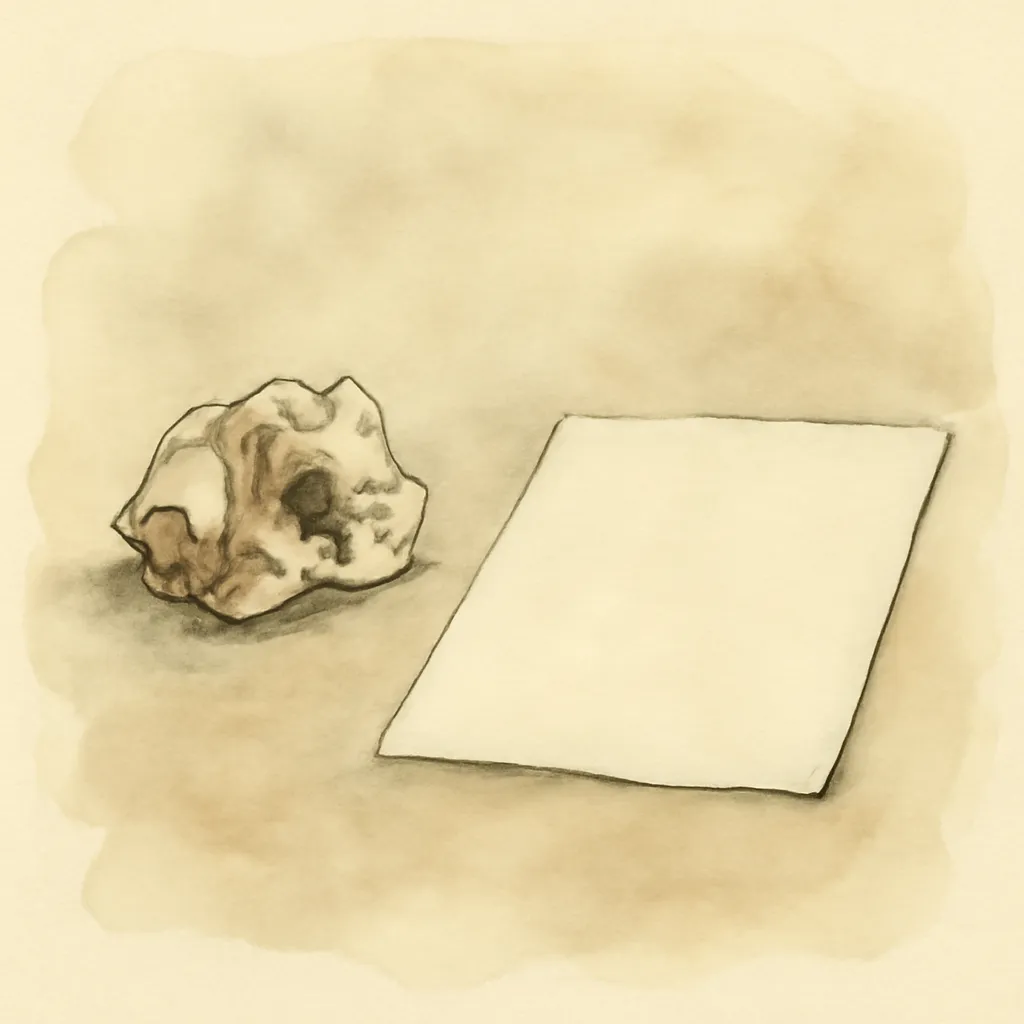
Wilde's journey reveals the struggle between societal expectations and the desire for authentic self-expression. He grapples with the implications of his past actions and the societal judgment they have elicited, which complicates his ability to create freely. Wilde finds himself torn between the persona he built as a celebrated writer and the reality of his current state. This tension underscores the notion that true art must arise from a place of genuine emotion rather than societal approval. Wilde's insistence on the necessity of expression, likening it to the natural elements of life, emphasizes that creativity is not merely an option but a fundamental human need. This insight prompts readers to reflect on their own creative impulses and the importance of nurturing them, regardless of external validation. Wilde's reflections challenge the reader to embrace their true selves and create from a place of vulnerability, suggesting that authenticity can lead to more profound and impactful connections with others.
9.The Duality of Fame and Infamy
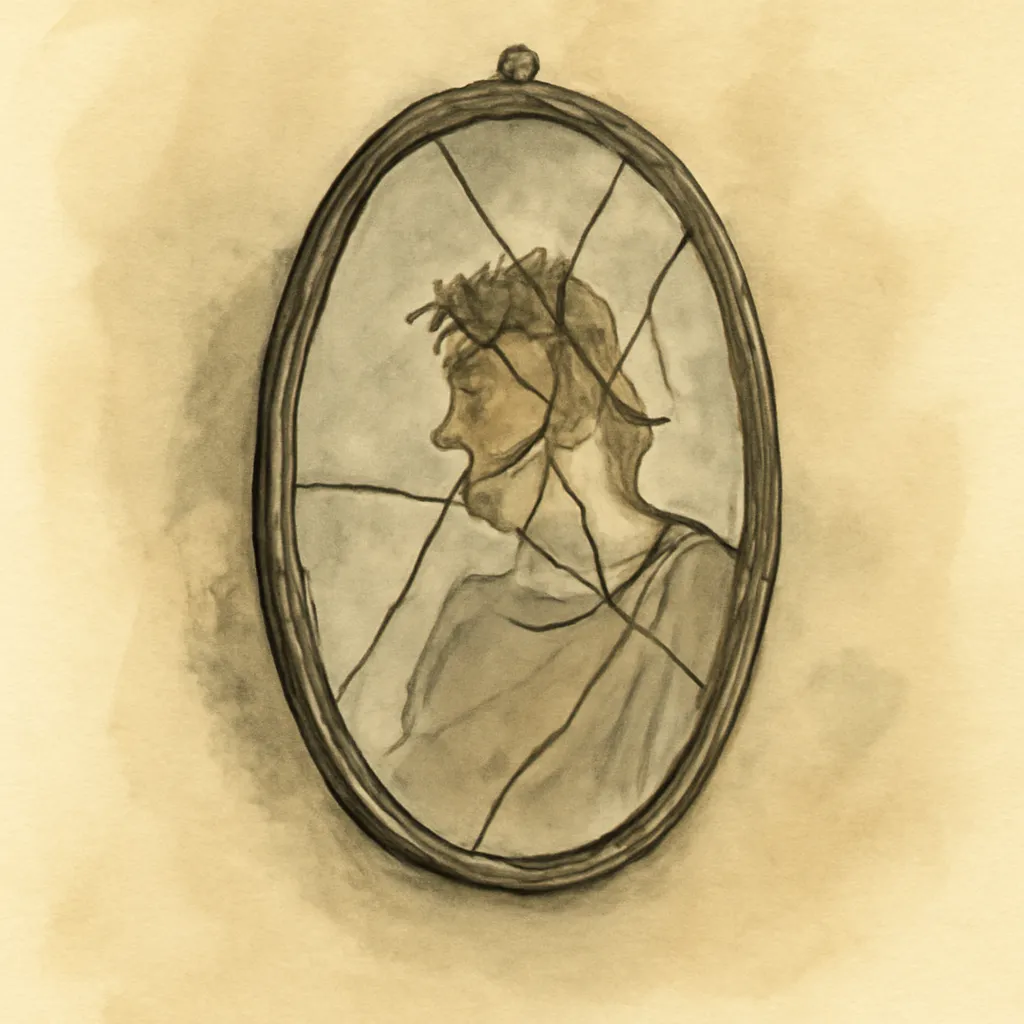
Wilde reflects on the thin line that separates fame from infamy, illustrating how quickly public perception can shift. He acknowledges that his transition from celebrated author to a figure of disgrace serves as a cautionary tale about the fickleness of societal judgment. This duality highlights the vulnerability inherent in public life and the potential for artistic expression to be overshadowed by personal scandal. Wilde's experience serves as a reminder that the public often revels in the downfall of the once-great, and it challenges readers to consider the implications of such societal behavior on individuals' lives and creativity. He warns of the inherent dangers of a fame that is contingent upon public approval, suggesting that true worth cannot be measured by external accolades. Instead, he advocates for a deeper understanding of the human experience that transcends societal labels, emphasizing the importance of personal integrity over public perception.
10.The Power of Compassion
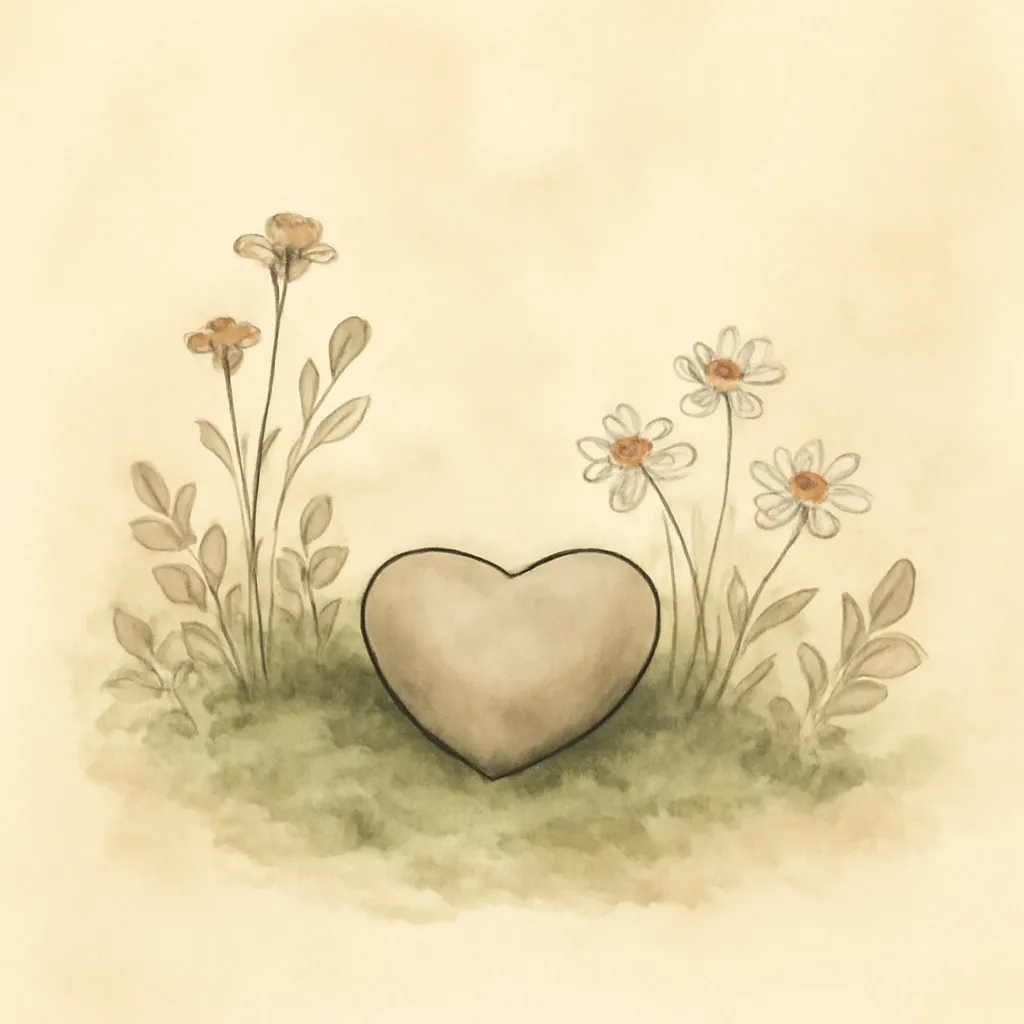
Throughout 'De Profundis,' Wilde emphasizes the importance of compassion, both for oneself and others. He advocates for a more empathetic society that recognizes the complexities of human experience rather than casting judgment. This call for compassion is particularly poignant in the context of his own suffering, as he seeks understanding from a society that has largely abandoned him. Wilde's reflections encourage readers to adopt a more compassionate perspective towards those who have erred, fostering a culture of support and understanding rather than ostracism. He suggests that compassion is a necessary component of healing, both personally and collectively. By urging society to embrace those who have faced adversity, Wilde advocates for a more humane world where forgiveness and understanding replace judgment. This theme resonates deeply in contemporary discussions around rehabilitation and redemption, urging society to recognize the inherent worth of every individual, regardless of their past.