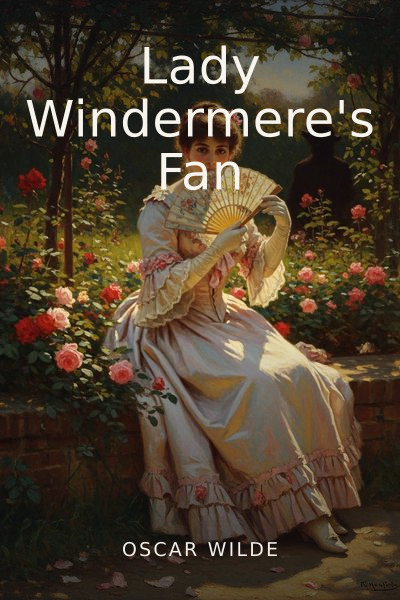

Lady Windermere's Fan unveils the complexities of fidelity, societal norms, and the intricate dance of human relationships
Read full overviewShow less›
Set against the backdrop of Victorian London, Oscar Wilde's 'Lady Windermere's Fan' intricately explores the tension between societal expectations and personal desires. Taking place over a single day, the play delves into the emotional labyrinth faced by its characters, particularly focusing on Lady Windermere as she navigates love, betrayal, and the quest for identity. Through sharp wit and an astute understanding of human nature, Wilde crafts a narrative that challenges the conventions of marriage and the moral dilemmas tied to loyalty and reputation. Readers will find themselves drawn into a world where the boundaries of right and wrong blur, revealing the often unspoken truths about relationships and societal pressures.
Oscar Wilde's 'Lady Windermere's Fan' is a timeless exploration of the complexities of human relationships, societal norms, and the moral dilemmas inherent in love and trust. Through richly drawn characters and sharp dialogue, Wilde invites the audience to reflect on the nature of marriage, the weight of reputation, and the transformative power of forgiveness. The play's themes resonate deeply with contemporary audiences, challenging them to reconsider the roles of pride, secrecy, and authenticity in their own lives. Ultimately, Wilde advocates for a deeper understanding of the human experience, urging individuals to embrace vulnerability and authenticity in their relationships, lest they fall victim to the societal pressures that obscure their true selves.
- 1The Illusion of Marriage
- 2The Role of Women in Society
- 3Societal Hypocrisy
- 4The Complexity of Forgiveness
- 5The Power of Reputation
Notable quotes
“Crying is the refuge of plain women but the ruin of pretty ones.”
“Cowards are always pale!”
“We are all in the gutter, but some of us are looking at the stars.”
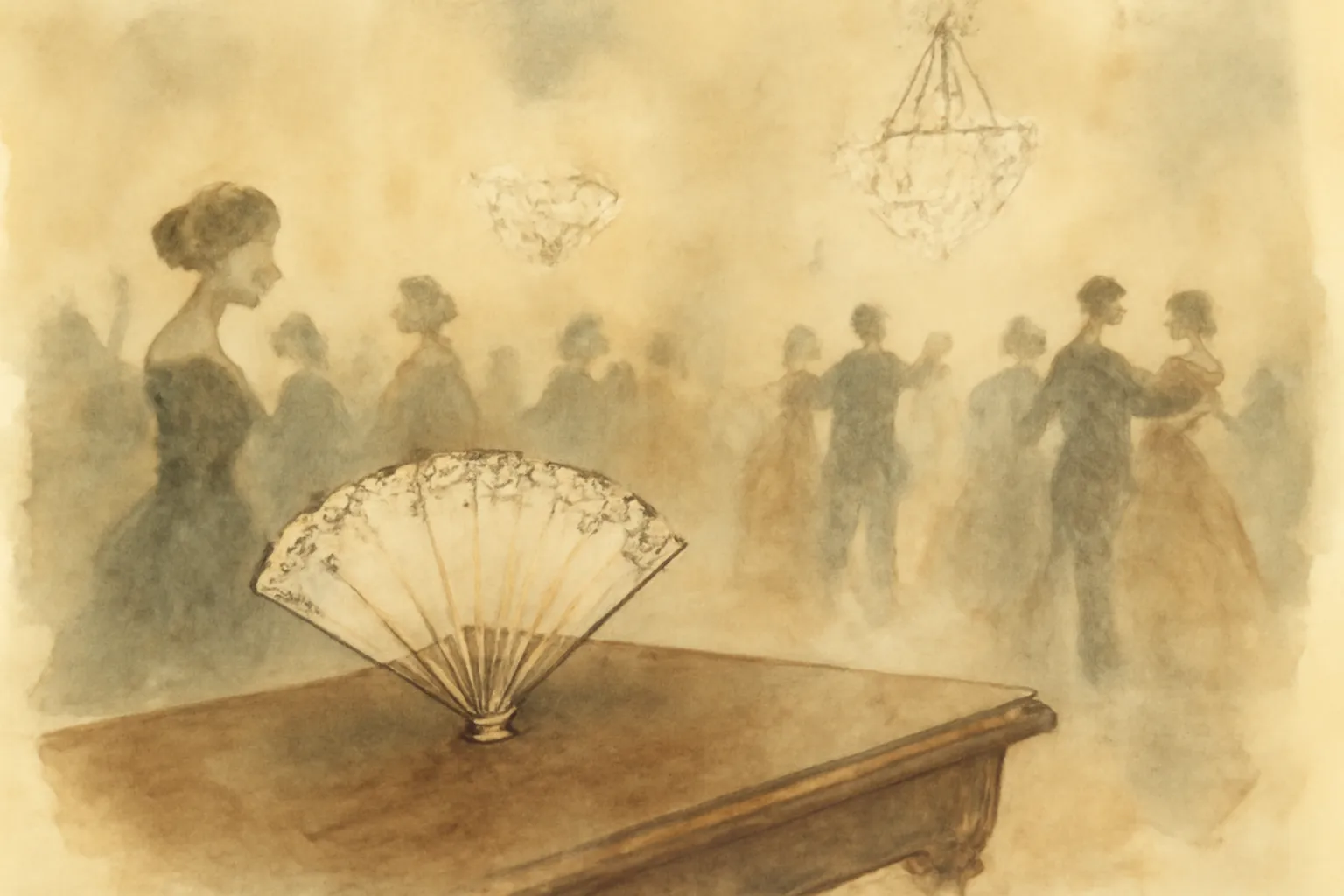
A glimpse inside

Marriage in 'Lady Windermere's Fan' is portrayed as an often deceptive institution, one that promises love and security but can mask deeper emotional turmoil. Read moreMarriage in 'Lady Windermere's Fan' is portrayed as an often deceptive institution, one that promises love and security but can mask deeper emotional turmoil. Lady Windermere, initially confident in her husband's fidelity, faces a crisis when rumors of his affair with Mrs. Erlynne surface. This suspicion shatters her idealistic view of marriage and forces her to confront the potential reality of betrayal. The Duchess of Berwick's cynical aphorism that 'all men are monsters' resonates throughout the play, reflecting a broader societal skepticism towards male fidelity. Wilde uses these perspectives to illustrate that marriage can become a prison built upon illusions, trapping individuals in roles defined by social norms. Lady Windermere's journey reveals that, despite the societal glorification of marriage, it often fails to fulfill emotional needs and can lead to a crisis of identity when expectations clash with personal truths. Show less
Wilde's play critiques the restrictive roles assigned to women within Victorian society, highlighting the limited avenues available for self-expression and autonomy. Read moreWilde's play critiques the restrictive roles assigned to women within Victorian society, highlighting the limited avenues available for self-expression and autonomy. Lady Windermere embodies the archetype of the dutiful wife, yet her character grapples with feelings of entrapment and the weight of societal expectations. Through conversations with the Duchess of Berwick and other women, Wilde explores the complex dynamics of female relationships where competition, jealousy, and camaraderie coexist. Mrs. Erlynne, despite her questionable past, emerges as a pivotal figure who defies societal norms. Her return shakes the foundations of Lady Windermere's life and illustrates the complexities of maternal instincts and the choices women must make in a patriarchal society. By portraying these varied female experiences, Wilde argues for a more nuanced understanding of women's roles, challenging the audience to reconsider the impact of societal pressures on personal identity. Show less
Read the full text — free
About the author
Oscar Wilde has 5 works free to read on Lumina, including An Ideal Husband, De Profundis, The Importance of Being Earnest
All 5 books by Oscar Wilde →