1.The Illusion of Marriage
Marriage in 'Lady Windermere's Fan' is portrayed as an often deceptive institution, one that promises love and security but can mask deeper emotional turmoil. Lady Windermere, initially confident in her husband's fidelity, faces a crisis when rumors of his affair with Mrs. Erlynne surface. This suspicion shatters her idealistic view of marriage and forces her to confront the potential reality of betrayal. The Duchess of Berwick's cynical aphorism that 'all men are monsters' resonates throughout the play, reflecting a broader societal skepticism towards male fidelity. Wilde uses these perspectives to illustrate that marriage can become a prison built upon illusions, trapping individuals in roles defined by social norms. Lady Windermere's journey reveals that, despite the societal glorification of marriage, it often fails to fulfill emotional needs and can lead to a crisis of identity when expectations clash with personal truths.
2.The Role of Women in Society

Wilde's play critiques the restrictive roles assigned to women within Victorian society, highlighting the limited avenues available for self-expression and autonomy. Lady Windermere embodies the archetype of the dutiful wife, yet her character grapples with feelings of entrapment and the weight of societal expectations. Through conversations with the Duchess of Berwick and other women, Wilde explores the complex dynamics of female relationships where competition, jealousy, and camaraderie coexist. Mrs. Erlynne, despite her questionable past, emerges as a pivotal figure who defies societal norms. Her return shakes the foundations of Lady Windermere's life and illustrates the complexities of maternal instincts and the choices women must make in a patriarchal society. By portraying these varied female experiences, Wilde argues for a more nuanced understanding of women's roles, challenging the audience to reconsider the impact of societal pressures on personal identity.
3.Societal Hypocrisy
A central theme in 'Lady Windermere's Fan' is the hypocrisy that permeates Victorian society, particularly regarding moral standards. The characters frequently navigate a landscape of double standards, with women subjected to scrutiny and vilification for actions that men can engage in without stigma. Lady Windermere's initial revulsion towards Mrs. Erlynne epitomizes this hypocrisy; she is quick to judge a woman with a scandalous reputation while remaining oblivious to her husband's moral failings. Wilde cleverly uses this contrast to expose the absurdities of societal judgment, where appearances often take precedence over genuine morality. The Duchess of Berwick, as a voice of cynical wisdom, reinforces the idea that societal norms are often upheld by self-interest and fear rather than true virtue. Through sharp dialogue and situational irony, Wilde critiques the moral landscape of his time, inviting the audience to reflect on their own complicity in maintaining these social hypocrisies.
4.The Complexity of Forgiveness
Forgiveness is a powerful theme in 'Lady Windermere's Fan', particularly regarding the relationship between Lady Windermere and Mrs. Erlynne. The climax of the play presents a moment of potential reconciliation, suggesting that forgiveness can lead to understanding and growth. Initially, Lady Windermere is steeped in indignation and betrayal, unable to see beyond her own hurt. However, as the narrative unfolds, the possibility of reconciling with her estranged mother becomes a path toward healing. Wilde emphasizes that forgiveness is not simply an act of absolution; it is a transformative process that requires vulnerability and self-reflection. This theme resonates deeply, prompting reflections on the nature of familial bonds and the capacity for empathy in the face of past transgressions. The play ultimately suggests that forgiveness can pave the way for personal liberation and renewed connections.
5.The Power of Reputation
In Wilde's narrative, reputation emerges as a potent force that profoundly impacts the characters' lives and choices. Lady Windermere's concern for her social standing drives her actions, leading her to consider drastic measures to protect her image. The threat of scandal looms large, compelling her to confront her husband about his finances and potential infidelity. The fear of losing her reputation shapes her decisions, reflecting the suffocating nature of societal expectations. Wilde deftly illustrates how reputation can become a trap, dictating behavior and stifling authenticity. The play serves as a powerful reminder of the costs associated with maintaining a public persona, particularly for women who navigate a landscape rife with judgment. As Lady Windermere grapples with her identity and values, the narrative invites the audience to consider the importance of authenticity over societal approval.
6.The Nature of Love
Wilde masterfully explores the multifaceted nature of love throughout 'Lady Windermere's Fan', contrasting romantic ideals with the harsh realities of human relationships. Lady Windermere's initial perception of love is rooted in loyalty and unwavering fidelity, but she is forced to confront the complexities of her husband's feelings and actions. Lord Darlington's pursuit of Lady Windermere introduces a passionate yet flawed perspective on love, raising questions about desire, commitment, and the moral implications of infidelity. The tension between romantic love and the responsibilities of marriage underscores the characters' struggles, revealing the sacrifices often made in the name of love. Wilde suggests that love is not a singular emotion but a spectrum that encompasses yearning, betrayal, and self-discovery. This exploration invites the audience to reflect on their own experiences of love and the compromises that accompany meaningful relationships.
7.The Impact of Secrets
Secrets are a driving force in 'Lady Windermere's Fan', propelling the plot and shaping character motivations. The hidden truths surrounding Mrs. Erlynne’s identity and her connection to Lady Windermere create tension and conflict throughout the narrative. Lady Windermere's decision to investigate her husband's financial dealings stems from her fear of betrayal, illustrating how secrecy can lead to mistrust and misunderstanding. Wilde's use of secrets serves to highlight the fragility of relationships, as characters navigate a web of hidden truths and half-truths. The eventual revelation of these secrets becomes a catalyst for character growth and transformation, emphasizing the importance of honesty in fostering authentic connections. The play ultimately suggests that while secrets may provide a temporary shield, they can also inhibit personal growth and deeper understanding in relationships.
8.The Influence of Friendship
Friendship plays a significant role in shaping the characters' decisions and actions in 'Lady Windermere's Fan'. The camaraderie among characters like Lord Augustus, Cecil Graham, and Lord Darlington illustrates the male bonding prevalent in their social circles, often driven by a shared understanding of societal expectations. However, these friendships can be superficial, built on societal norms rather than genuine connection. Lady Windermere's relationships with other women, particularly the Duchess of Berwick and Mrs. Erlynne, reveal the complexities of female friendship amid competition and jealousy. Wilde highlights how friendships can serve as both a source of support and a catalyst for conflict, ultimately influencing the characters' trajectories. The play encourages a deeper examination of the nature of friendship and its impact on personal choices, suggesting that true connection requires vulnerability and authenticity.
9.The Significance of the Fan
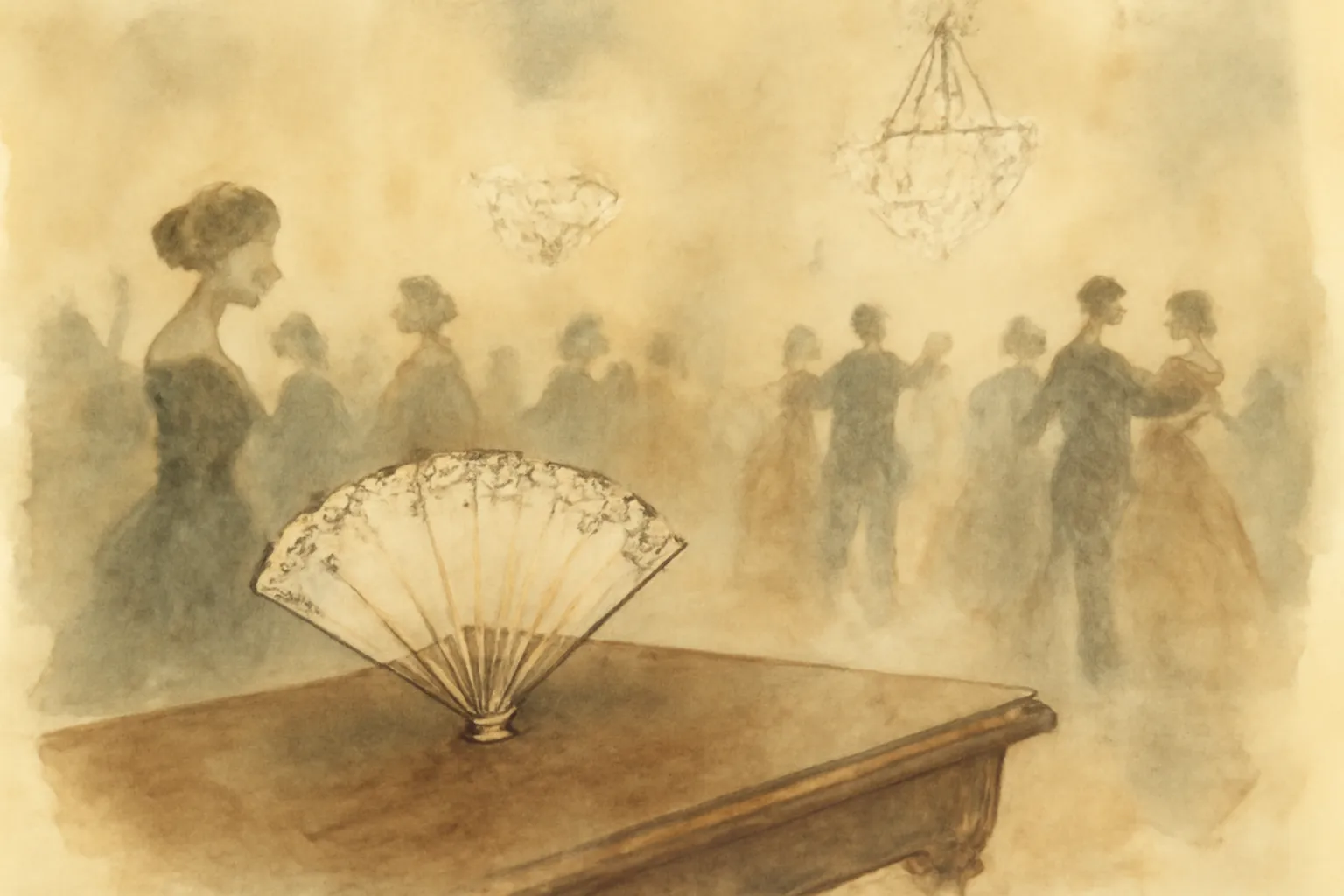
The fan in 'Lady Windermere's Fan' serves as a powerful symbol that encapsulates the themes of the play, representing both social status and the complexities of personal relationships. Initially, the fan symbolizes Lady Windermere's position in society and her adherence to its expectations, serving as a prop that reinforces her identity as a respectable wife. However, as the narrative progresses, the fan becomes a tool of deception and revelation. Its significance is heightened during key moments, such as when Lady Windermere contemplates using it to confront her husband about his alleged infidelity. Wilde cleverly employs the fan to illustrate the interplay between appearance and reality, prompting the audience to consider how symbols can carry multiple meanings. The fan ultimately embodies the duality of social propriety and personal truth, encapsulating the play's exploration of morality and authenticity.
10.The Tragic Consequences of Pride
Wilde illustrates the perils of pride in 'Lady Windermere's Fan', as it shapes characters' decisions and leads to tragic outcomes. Lady Windermere's steadfast pride blinds her to her husband's intentions, preventing her from fully understanding the complexities of their relationship. This pride fuels her initial rejection of Mrs. Erlynne, preventing her from recognizing the possibility for connection and understanding. Lord Windermere's pride, too, manifests in his decision to keep secrets from his wife, which ultimately creates a rift between them. Wilde emphasizes that pride can distort perceptions and hinder communication, resulting in heartache and misunderstanding. The play serves as a cautionary tale about the dangers of excessive pride, urging the audience to embrace humility and openness in their relationships to foster understanding and compassion.