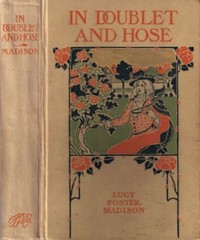

In Doublet and Hose tells the captivating tale of a young girl's courage and resilience as she navigates the treacherous waters of loyalty, gender roles, and political intrigue in Elizabethan England
Read full overviewShow less›
In Doublet and Hose: A Story for Girls, by Lucy Foster Madison, offers readers a rich tapestry of adventure and emotional depth set against the backdrop of 16th-century England. The story follows Francis Stafford, a spirited young girl who defies the conventions of her time by disguising herself as a boy to aid her father in a perilous political scheme. As she embarks on her journey, she grapples with her identity and the limitations imposed on her by society, all while navigating a world filled with danger, betrayal, and intrigue. This book not only entertains but also challenges readers to reflect on issues of gender, loyalty, and the quest for freedom in a restrictive society. Through Francis's eyes, we witness the struggles of women in a patriarchal world and the courage it takes to stand up for what is right.
In Doublet and Hose is a powerful exploration of a young woman's journey through the complexities of loyalty, identity, and societal expectations in Elizabethan England. Through the character of Francis Stafford, Madison highlights the struggles faced by women in a patriarchal society while also celebrating the courage required to defy convention. The narrative intertwines themes of family loyalty, political intrigue, and the quest for personal freedom, creating a rich tapestry that resonates with readers. Ultimately, the story serves as a reminder of the enduring importance of truth, integrity, and the courage to challenge societal norms. As we reflect on Francis's journey, we are encouraged to consider our own paths and the choices we make in the pursuit of our own truths.
- 1The Beauty of Nature as a Reflection of Innocence
- 2The Struggles of Gender Identity
- 3The Weight of Family Loyalty
- 4The Dangers of Political Intrigue
- 5The Impact of Social Class
Notable quotes
“What if she comes not to the garden?”
“I am in truth Francis Stafford, but I am the daughter instead of the son of my father.”
“I fear such spirit. Study lowliness, for a woman should be meek.”
A glimpse inside

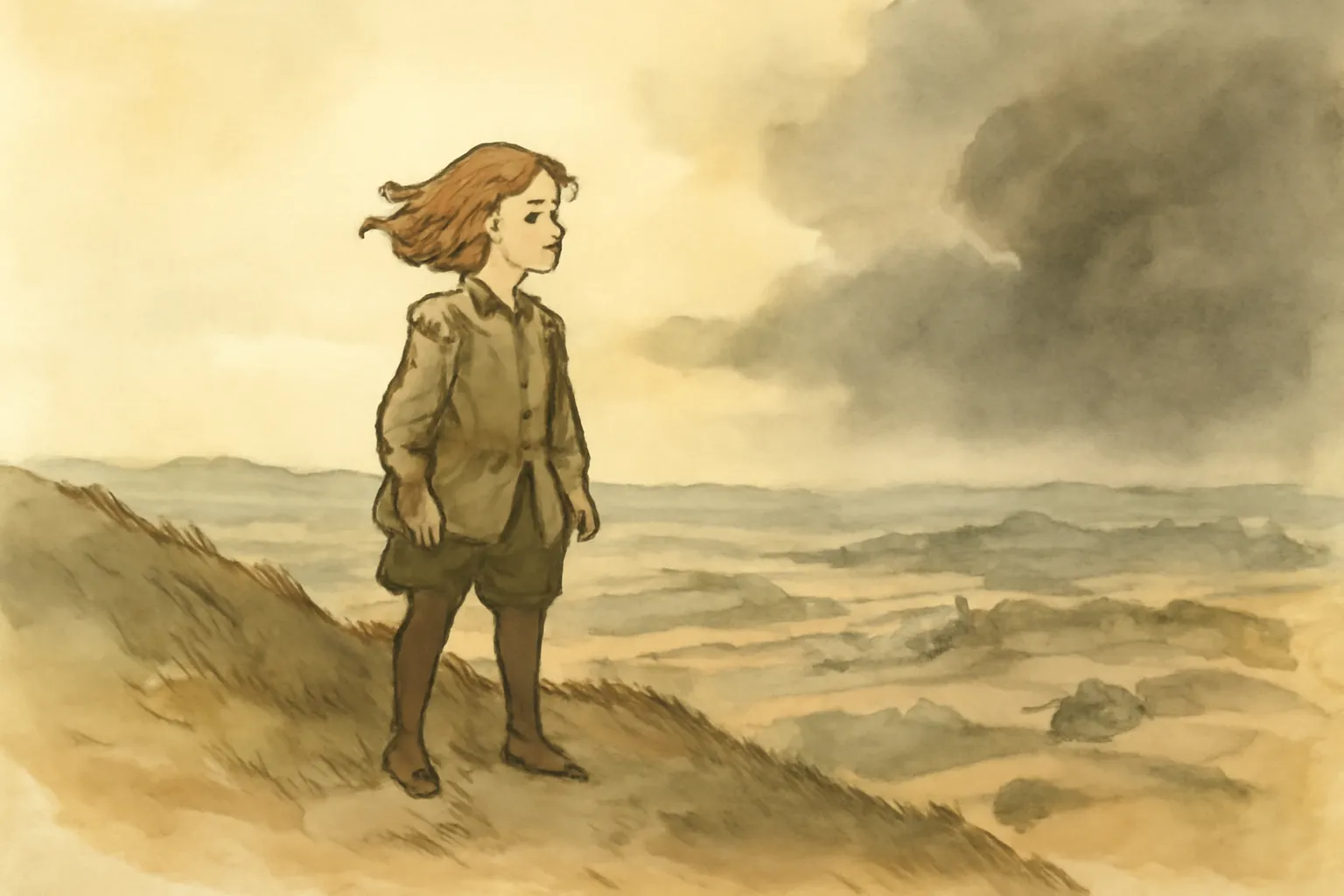
The story begins in the serene beauty of the New Forest, where the natural world serves as a backdrop to Francis's early innocence and freedom. Read moreThe story begins in the serene beauty of the New Forest, where the natural world serves as a backdrop to Francis's early innocence and freedom. The vivid descriptions of the forest—its verdant trees, vibrant flowers, and the harmonious sounds of nature—mirror the carefree spirit of youth. This idyllic setting is essential for establishing Francis's character, as it highlights her connection to nature and her longing for adventure. The contrast between the peaceful woodlands and the tumultuous events that follow emphasizes the loss of innocence that accompanies her journey into adulthood. The forest becomes a symbol of the freedom she yearns for and the constraints she will face as she steps into a more dangerous and complex world. As the story progresses, the once beautiful and tranquil forest transforms into a maze of threats, paralleling Francis's own evolution from innocent girl to a determined young woman who confronts the harsh realities of her time. Show less
Francis's decision to dress as a boy is a significant act of defiance against the rigid gender roles of her time. The narrative explores how society's expectations limit… Read moreFrancis's decision to dress as a boy is a significant act of defiance against the rigid gender roles of her time. The narrative explores how society's expectations limit women's roles and opportunities, forcing them into submissive positions. By donning a doublet and hose, Francis not only gains the freedom to act but also challenges the notion of what it means to be female in a patriarchal society. This act of cross-dressing allows her to navigate a world that would otherwise deny her agency, showcasing her intelligence, bravery, and resourcefulness. The story prompts readers to consider the constraints imposed by gender norms and the lengths to which individuals must go to assert their identity and pursue their desires. Madison deftly illustrates that Francis's identity is not a fixed attribute but a fluid concept shaped by her choices and actions. Through her disguise, Francis embodies the conflict between societal expectations and personal agency, raising questions about the nature of identity and the arbitrary boundaries set by gender. Show less
Read the full text — free
About the author
Read Lucy Foster Madison's work free on Lumina — the complete text plus an 8-minute summary and key ideas, no account needed