

Mathematical ability · Mathematics · Number concept
Innumeracy: Mathematical Illiteracy and Its Consequences by John Allen Paulos — Summary, Key Ideas & Quotes
1988147 pages✦ 3-min Big ideas★ 3.7 (12)
Rate it
Mathematical Illiteracy and its Consequences is a 1988 book by mathematician John Allen Paulos about innumeracy (deficiency of numeracy) as the mathematical equivalent of illiteracy: incompetence with numbers rather than words. Innumeracy is a problem with many otherwise educated and knowledgeable people.
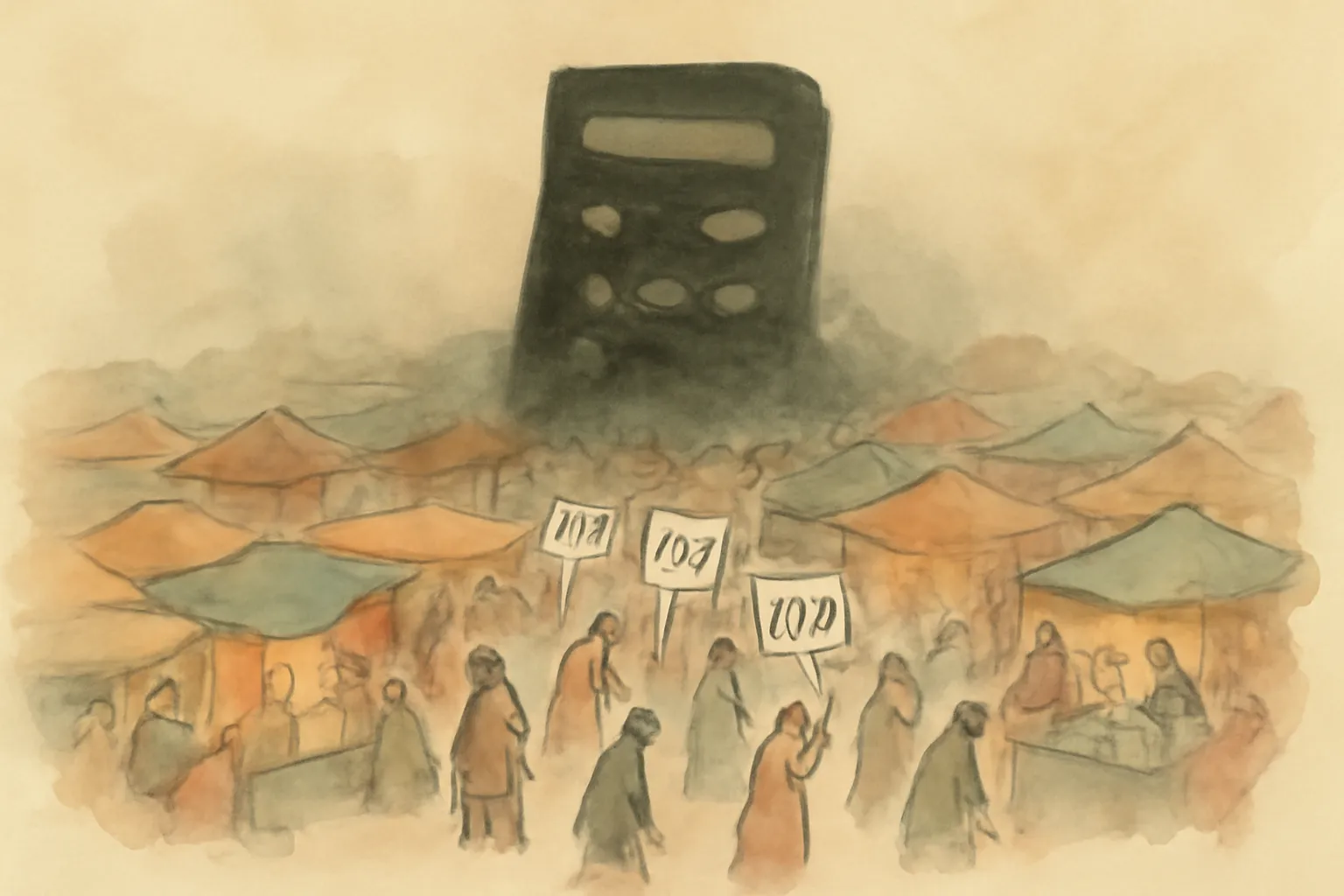
Paulos argues that mathematical illiteracy is widespread, even among educated people, and that it has serious consequences. He demonstrates how innumeracy leads to poor decision-making in areas such as health, finance, and politics. The inability to grasp probabilities, large numbers, and basic statistical concepts leaves individuals vulnerable to scams, superstition, and manipulation by those who exploit mathematical ignorance.
A major theme is how people routinely misjudge probability and risk. Paulos illustrates how we overestimate rare dangers (like plane crashes) and underestimate common risks (like car accidents), often due to media sensationalism or cognitive biases. He shows that innumeracy leads to irrational fears and poor policy choices, and that a basic understanding of probability would help individuals make more rational decisions.
“The innumerate are often as confident in their judgments as the literate, but their judgments are often wrong.”
“Mathematics is not a language, it's an adventure.”