

Teenage boys · Zoo animals · Fiction
Life of Pi by Yann Martel — Summary, Key Ideas & Quotes
2000349 pages✦ 3-min Big ideas★ 4.0 (151)
Rate it
After the tragic sinking of a cargo ship, one solitary lifeboat remains bobbing on the wild, blue Pacific. The only survivors from the wreck are a sixteen-year-old boy named Pi, a hyena, a zebra (with a broken leg), a female orang-utan… and a 450-pound Royal Bengal tiger. The scene is set for one of the most extraordinary works of fiction in recent years.
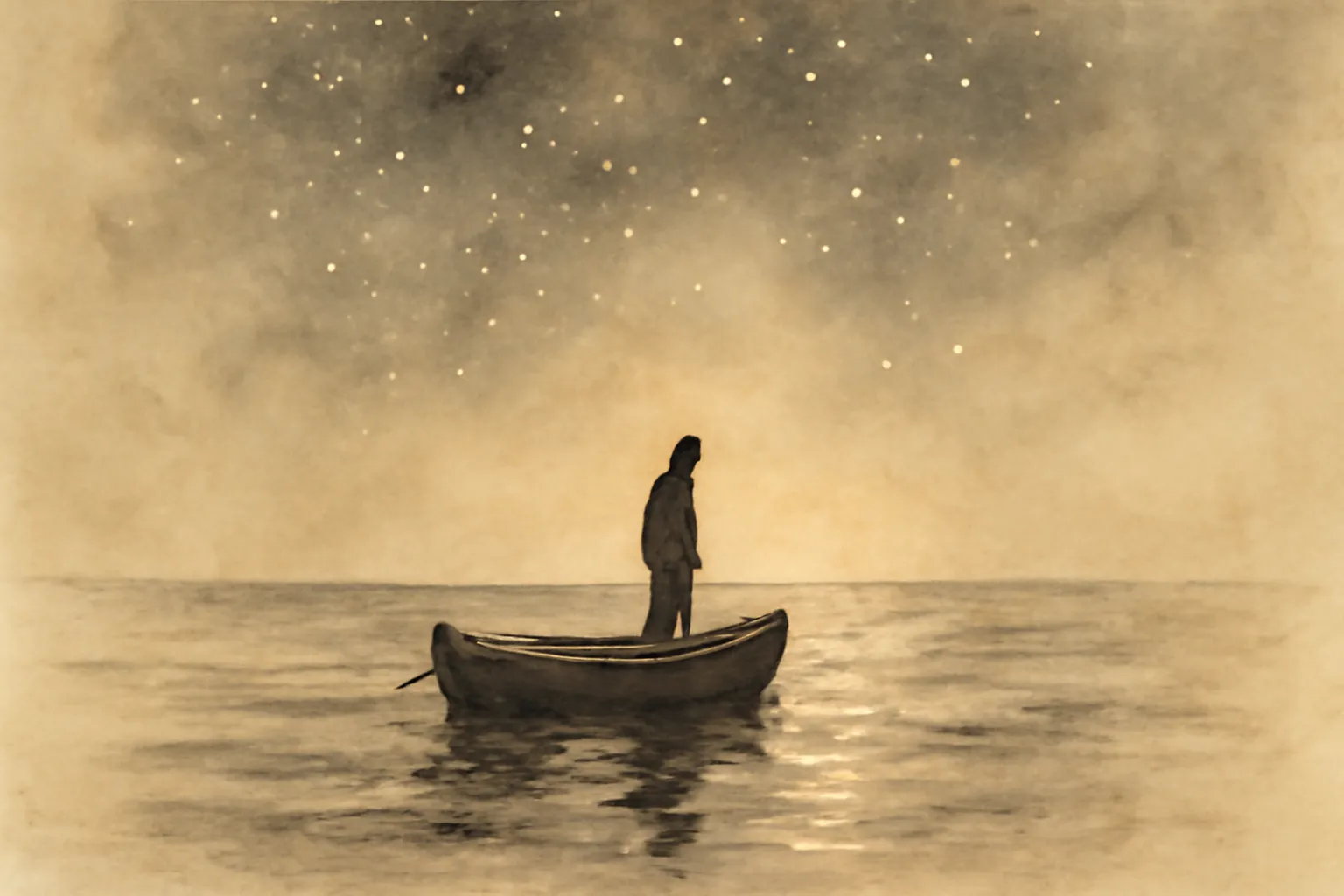
Life of Pi explores faith not as blind belief, but as a conscious choice in the face of uncertainty. Pi is uniquely open, practicing Hinduism, Christianity, and Islam simultaneously. His spiritual curiosity is tested by the ordeal at sea, where faith becomes both a comfort and a survival tool. The novel suggests that faith, like storytelling, is a way to make sense of chaos and suffering, and that belief can be an act of imagination as much as conviction.
At its heart, the novel is about the power of storytelling. Pi’s incredible tale blurs the line between truth and fiction, raising questions about what stories mean to us. In the lifeboat, narrative becomes a means of psychological survival, allowing Pi to process trauma and maintain hope. Martel invites readers to consider whether the literal truth matters, or if the stories we choose shape our reality in deeper ways.
“I must say a word about fear. It is life's only true opponent.”
“The world isn't just the way it is. It is how we understand it, no?”
“To choose doubt as a philosophy of life is akin to choosing immobility as a means of transportation.”