1.The Nature of Faith
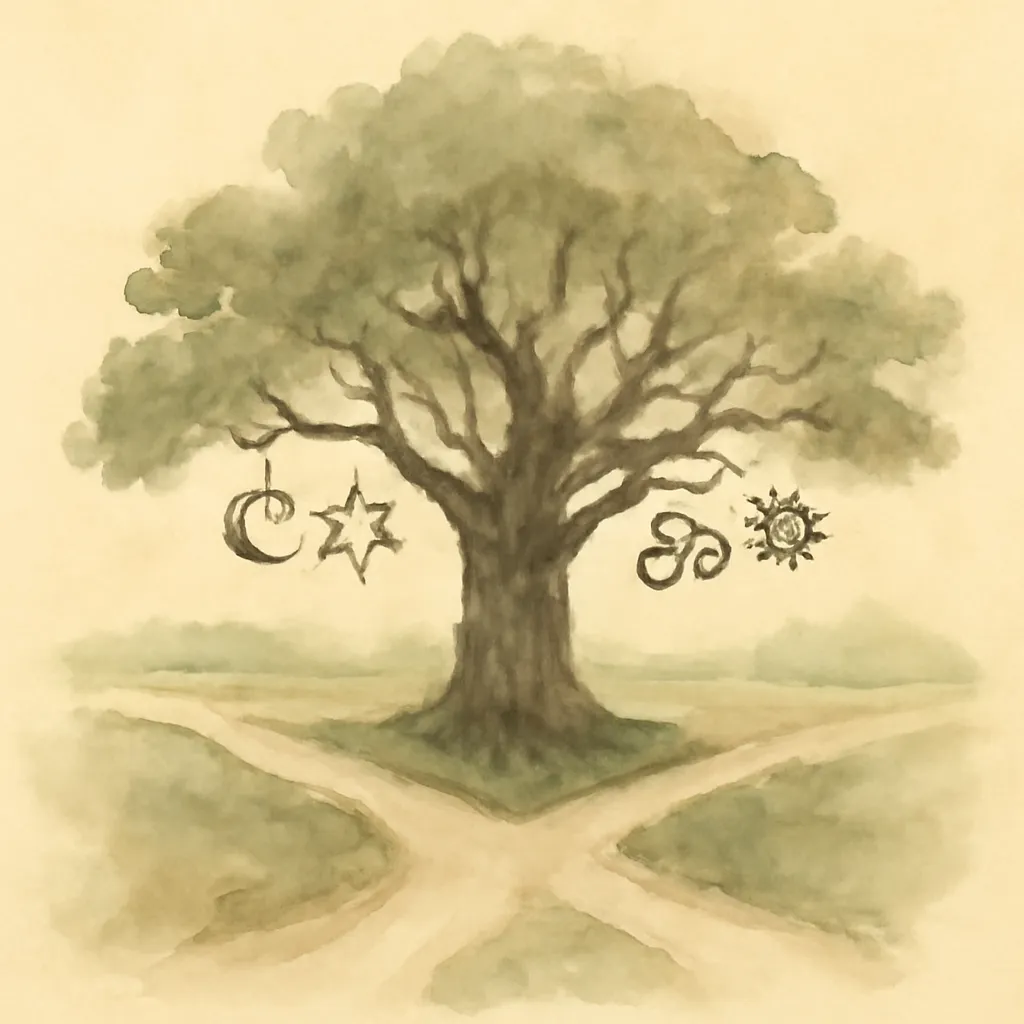
Life of Pi explores faith not as blind belief, but as a conscious choice in the face of uncertainty. Pi is uniquely open, practicing Hinduism, Christianity, and Islam simultaneously. His spiritual curiosity is tested by the ordeal at sea, where faith becomes both a comfort and a survival tool. The novel suggests that faith, like storytelling, is a way to make sense of chaos and suffering, and that belief can be an act of imagination as much as conviction.
2.Storytelling as Survival
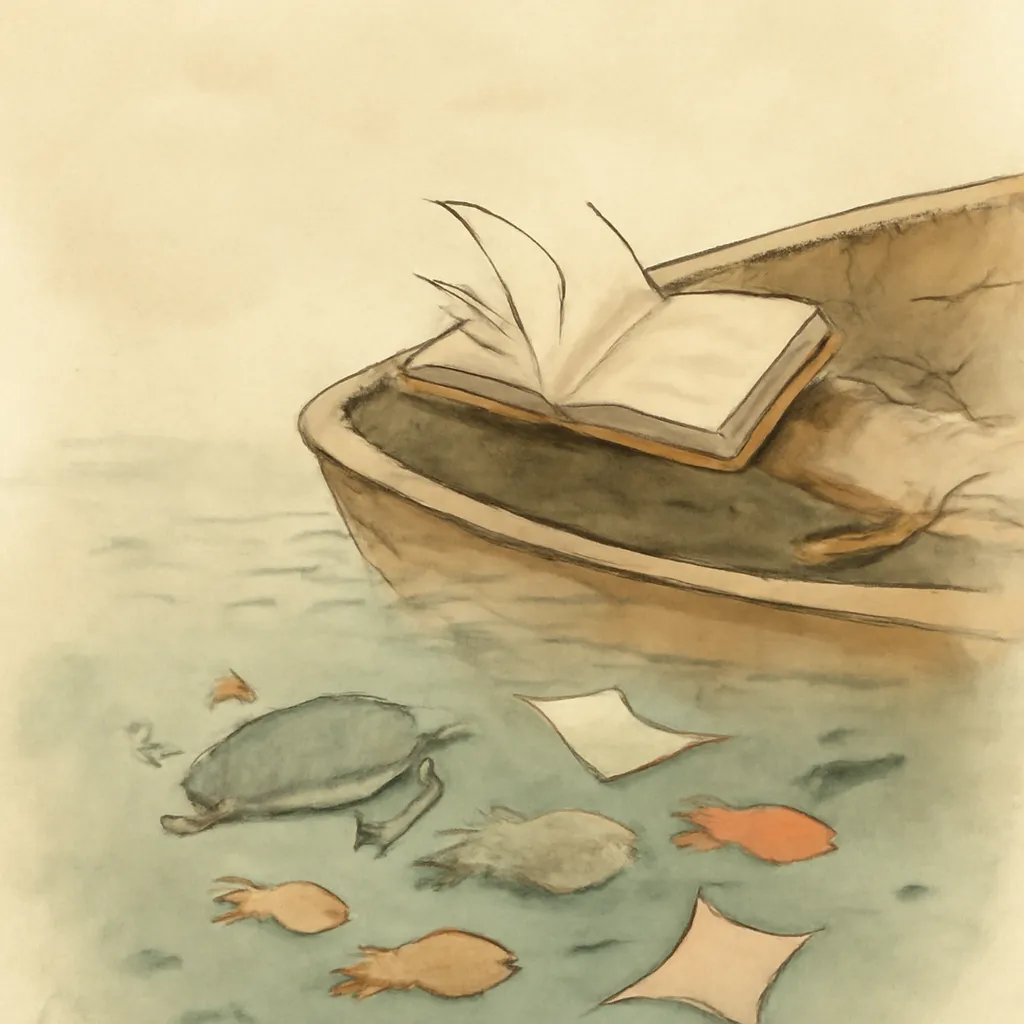
At its heart, the novel is about the power of storytelling. Pi’s incredible tale blurs the line between truth and fiction, raising questions about what stories mean to us. In the lifeboat, narrative becomes a means of psychological survival, allowing Pi to process trauma and maintain hope. Martel invites readers to consider whether the literal truth matters, or if the stories we choose shape our reality in deeper ways.
3.The Ambiguity of Truth
Martel crafts a narrative that resists easy answers. When Pi offers two versions of his ordeal—one fantastical, one brutal—the reader is asked which to believe. This ambiguity mirrors how people cope with tragedy: sometimes, the more imaginative story holds a deeper emotional truth. The novel thus becomes a meditation on the nature of truth itself, suggesting that reality is often subjective and shaped by perspective.
4.Human vs. Animal Nature
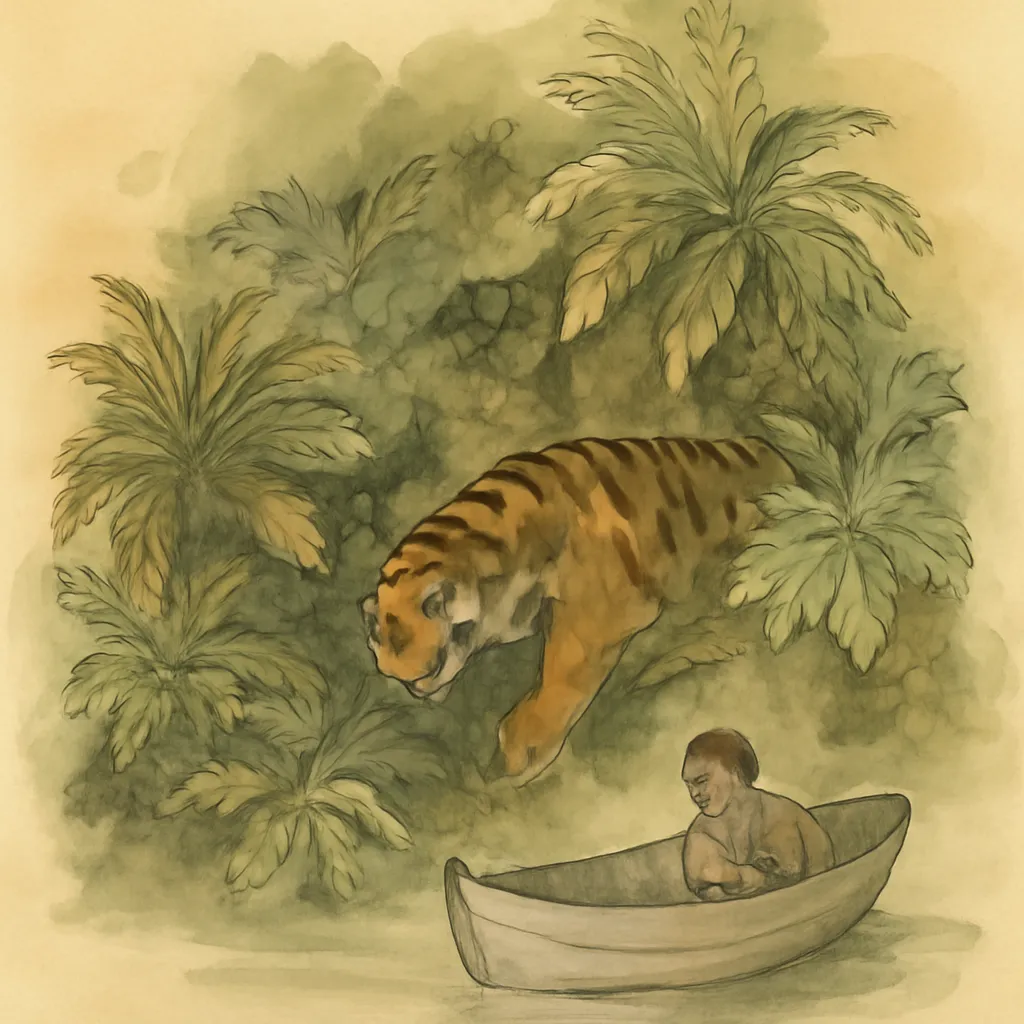
The dynamic between Pi and Richard Parker, the Bengal tiger, is a study in the boundaries between civilization and wildness. Pi must tap into his primal instincts to survive, yet he clings to rituals and moral codes. The tiger is both a threat and a companion, embodying the untamed aspects of Pi’s own psyche. Their relationship highlights the thin line separating human rationality from animal instinct.
5.Resilience and Adaptation
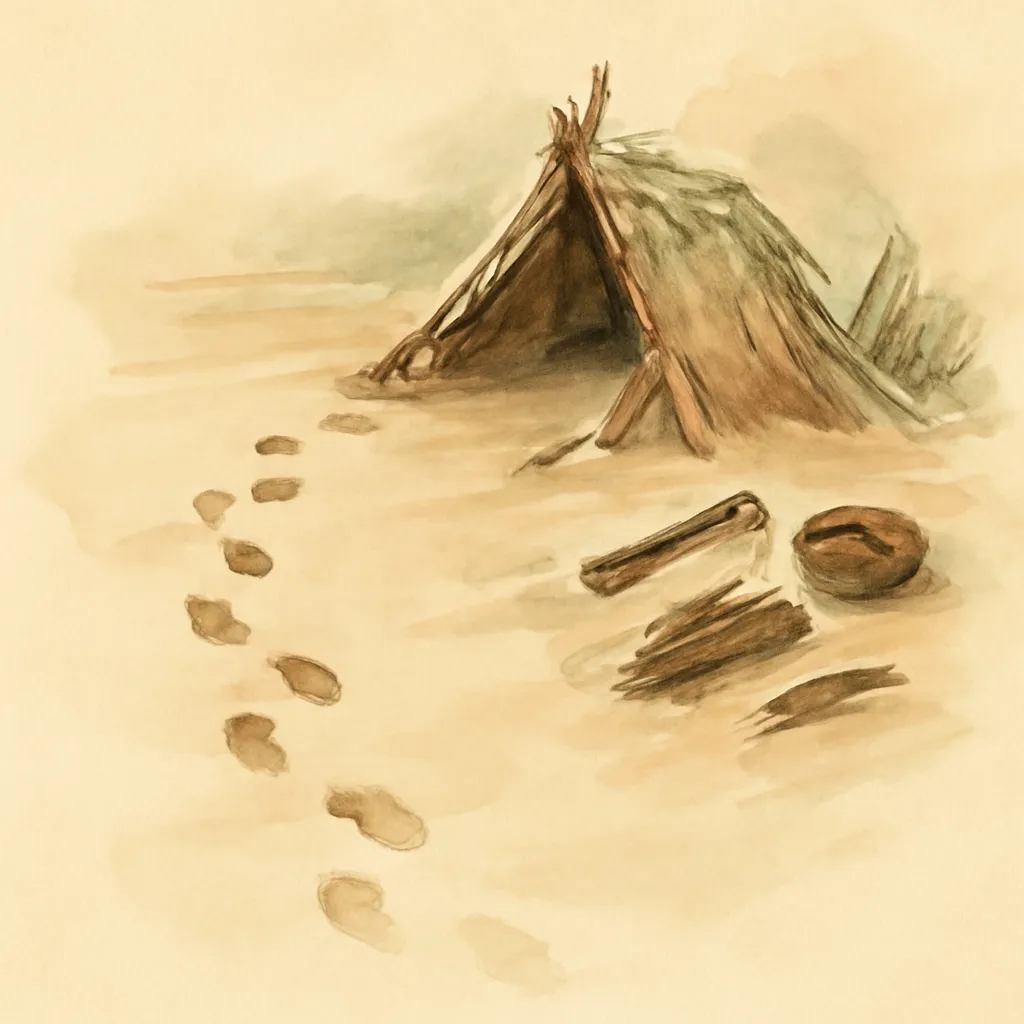
Pi’s journey is a testament to human resilience. Faced with unimaginable odds, he adapts, learns, and endures. The novel examines how adversity forces us to confront our limits and invent new ways to survive. Pi’s resourcefulness—spiritual, emotional, and practical—underscores the human capacity to find meaning and hope even in the bleakest circumstances.
6.Cultural and Religious Plurality
Pi’s embrace of multiple religions is both a personal and philosophical statement. The novel celebrates curiosity and openness, challenging dogmatism and the idea that faiths must be mutually exclusive. Through Pi, Martel suggests that wisdom can be found in many traditions, and that a pluralistic approach to belief enriches rather than diminishes spiritual life.