Fiction · Psychology · Short Reads
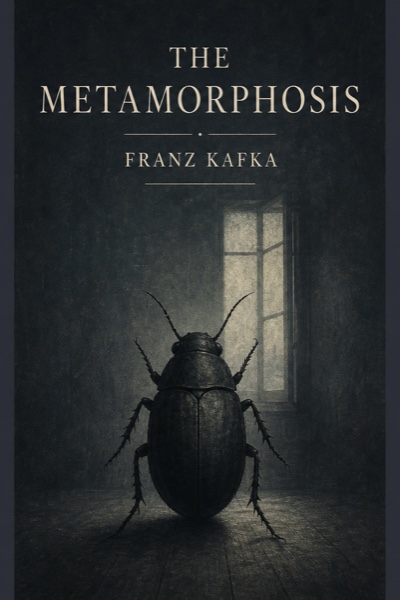
The Metamorphosis by Franz Kafka — Summary, Key Ideas & Full Text
73 pages3 chapters1h 28m read1h 2m speed read✦ 8-min Big ideas★ 4.2 (158)Free · no account
Rate it
Franz Kafka's 'The Metamorphosis' explores the alienation of the individual in a dehumanizing society through the surreal transformation of Gregor Samsa
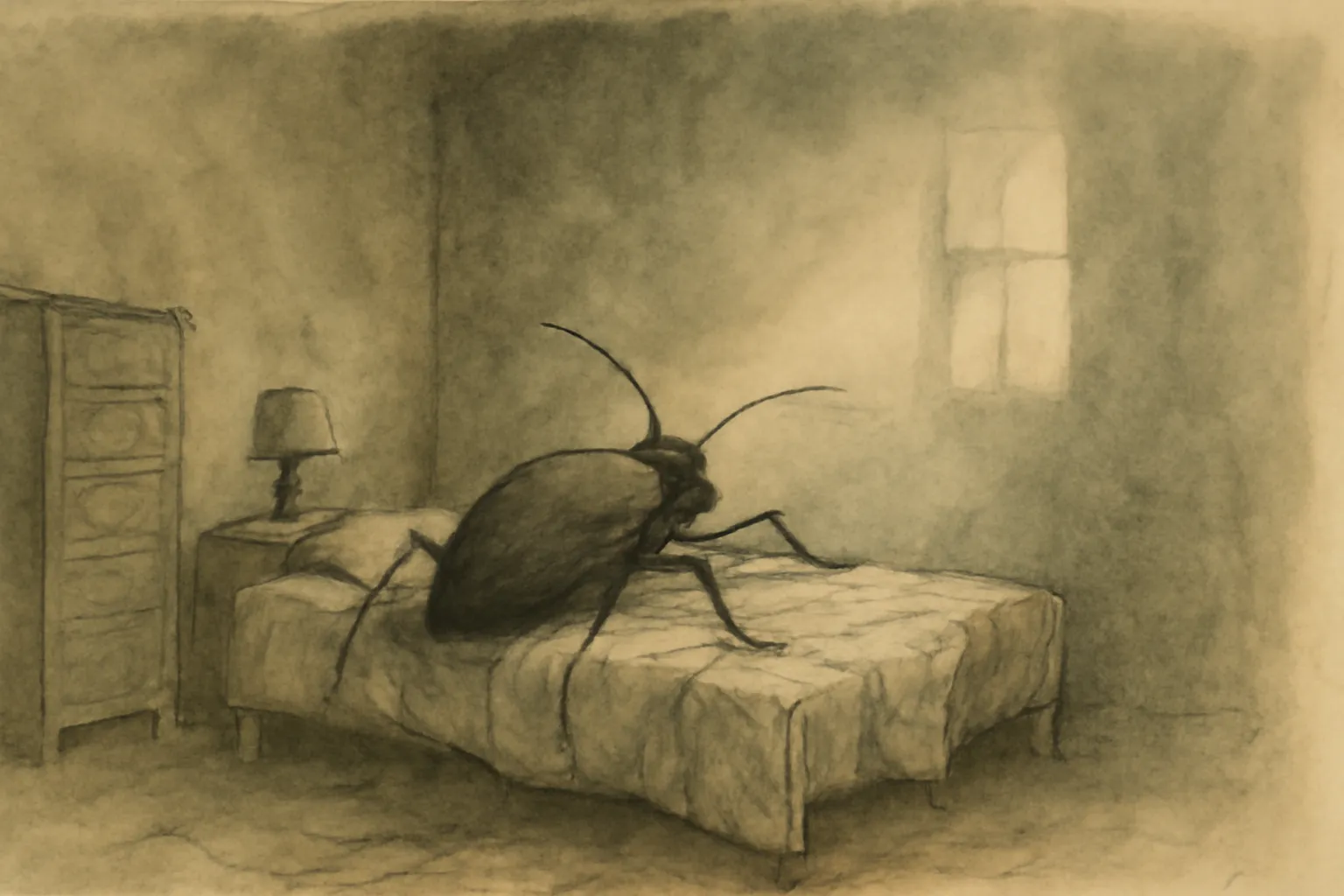
In 'The Metamorphosis,' Franz Kafka presents a haunting tale that delves into the depths of human existence and the fragility of identity. Through the shocking transformation of Gregor Samsa into a monstrous vermin, Kafka examines themes of alienation, familial duty, and the struggle for meaning in an increasingly mechanized world. Readers will encounter the profound psychological impact of Gregor's metamorphosis, which serves as a metaphor for the alienation faced by individuals in modern society. As Gregor grapples with his new reality, the novel invites reflection on the nature of humanity and the burdens of societal expectations. This exploration of existential angst and the quest for belonging resonates deeply, leaving a lasting impression long after the final page is turned.
Franz Kafka's 'The Metamorphosis' serves as a profound exploration of the human condition, inviting readers to confront the complexities of identity, alienation, and societal expectations. Through Gregor Samsa's shocking transformation and the subsequent unraveling of his family dynamics, Kafka illustrates the fragility of human relationships in the face of adversity. The themes of guilt, shame, and the absurdity of existence resonate deeply, prompting reflection on the nature of humanity and the burdens we carry. Ultimately, Kafka's poignant narrative challenges us to consider our own responses to the marginalized and the importance of empathy in a world that often prioritizes conformity over compassion. 'The Metamorphosis' remains a timeless reflection on the struggles of the individual within a dehumanizing society, urging readers to seek understanding and connection amidst the chaos of existence.
Franz Kafka has 2 works free to read on Lumina, including The Trial
All 2 books by Franz Kafka →