1.The Shocking Transformation
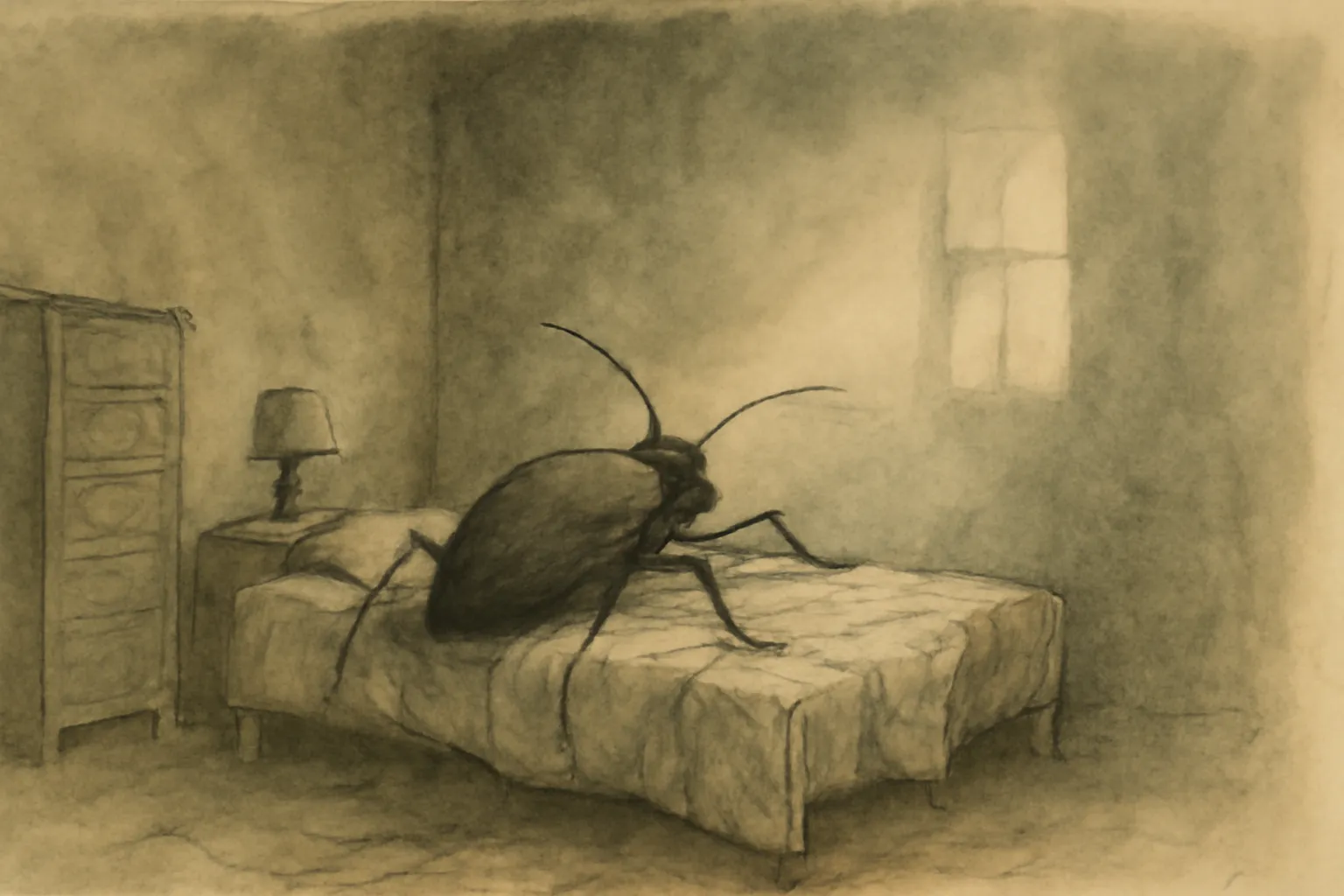
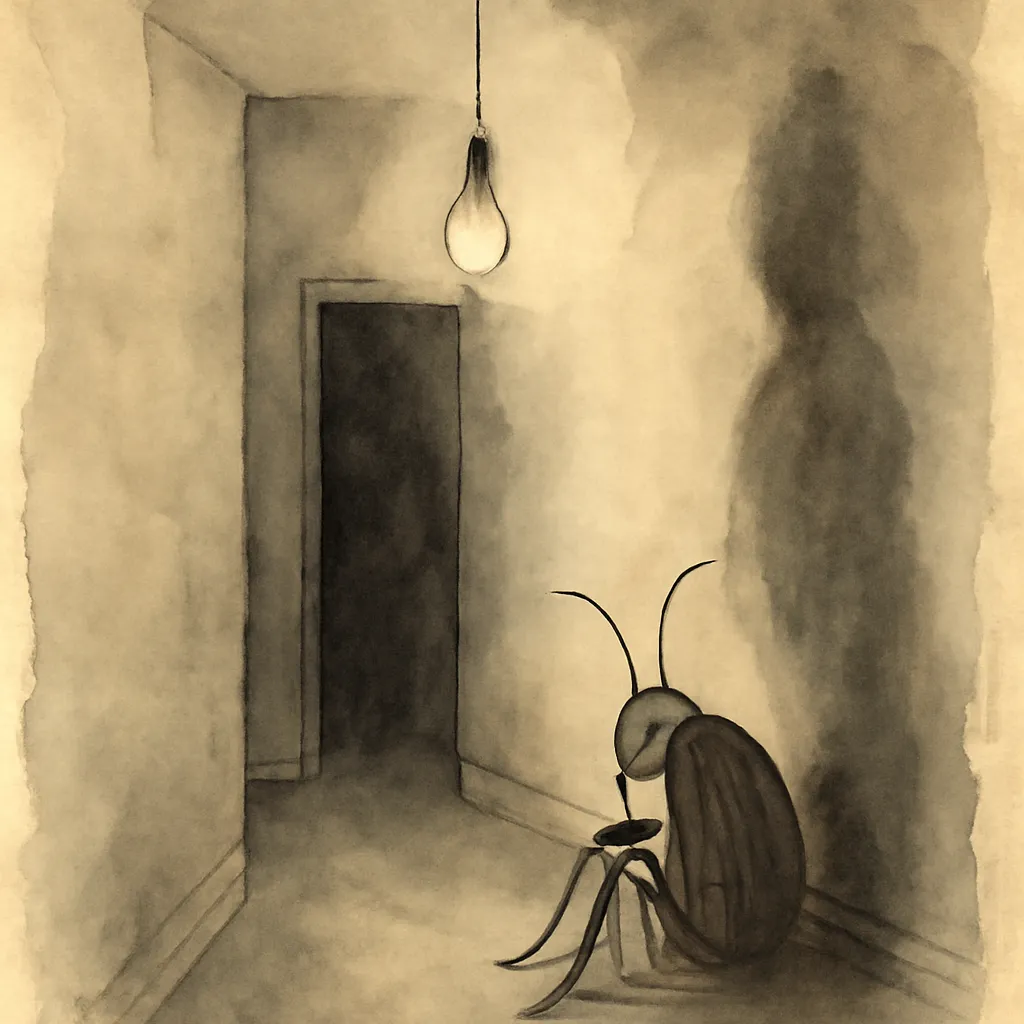
The story begins with Gregor Samsa waking up to find himself transformed into a grotesque insect, a moment that serves as the catalyst for the entire narrative. This shocking transformation reflects not only Gregor's physical state but symbolizes a deeper existential crisis. He struggles to comprehend his new form and its implications on his identity, showcasing the theme of alienation. As he lies in bed, unable to move as he once did, the reader experiences his despair and confusion. Gregor's initial thoughts reveal his inner turmoil; he is more concerned about his job as a traveling salesman than the bizarre reality of his condition. This sets the stage for a profound exploration of how one's identity can be stripped away by societal expectations and personal responsibilities.
2.Isolation and Alienation
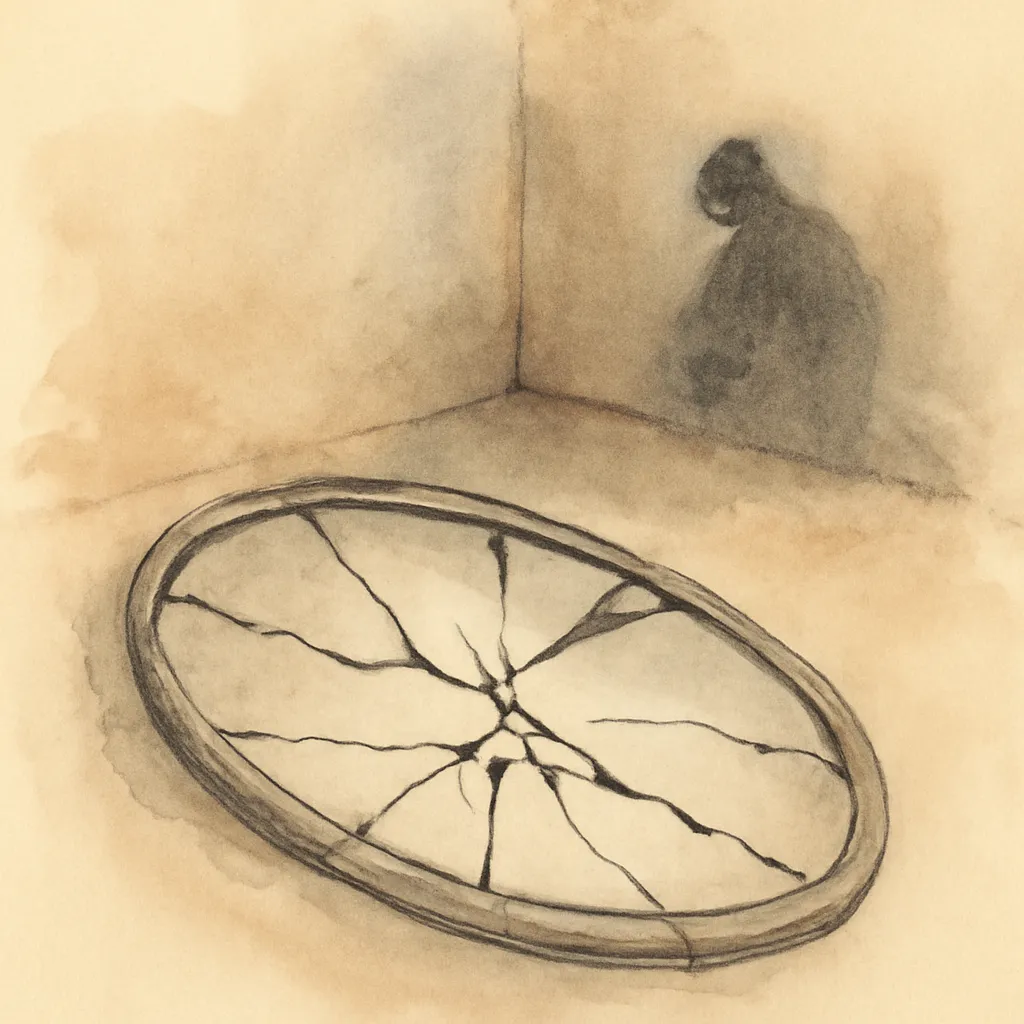
Gregor’s transformation leads to profound isolation, both physically and emotionally. Once the breadwinner of his family, he suddenly becomes a burden, and his family’s reaction to his new form illustrates their own fears and prejudices. The physical barrier of his room becomes a metaphor for his emotional state; he is trapped both in his grotesque body and in the expectations of his family. The family's shifting attitude towards him—from concern to disgust—highlights the fragile nature of familial bonds when faced with adversity. Gregor’s inability to communicate creates a chasm that further alienates him, illustrating how a lack of understanding can lead to estrangement. This theme resonates with readers who have experienced feelings of isolation in their own lives, making Gregor's plight deeply relatable.
3.The Burden of Responsibility
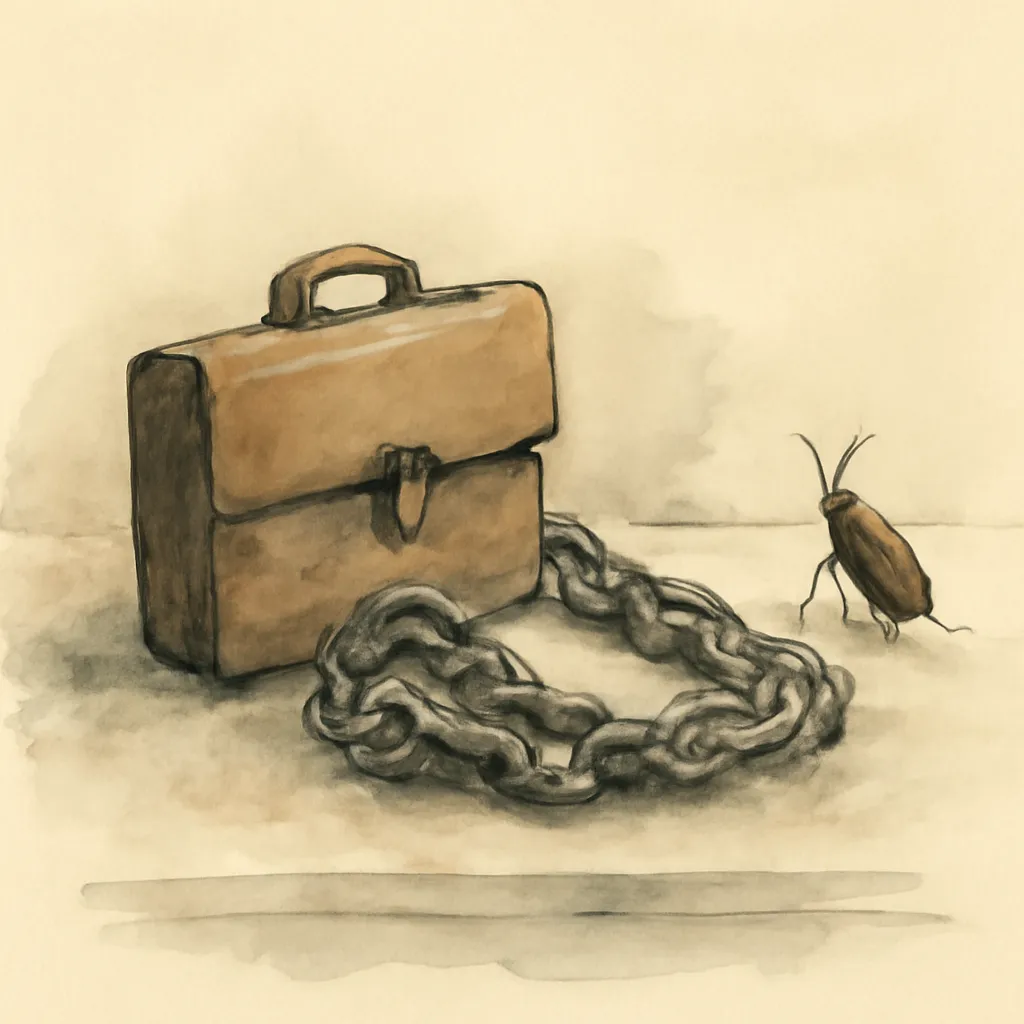
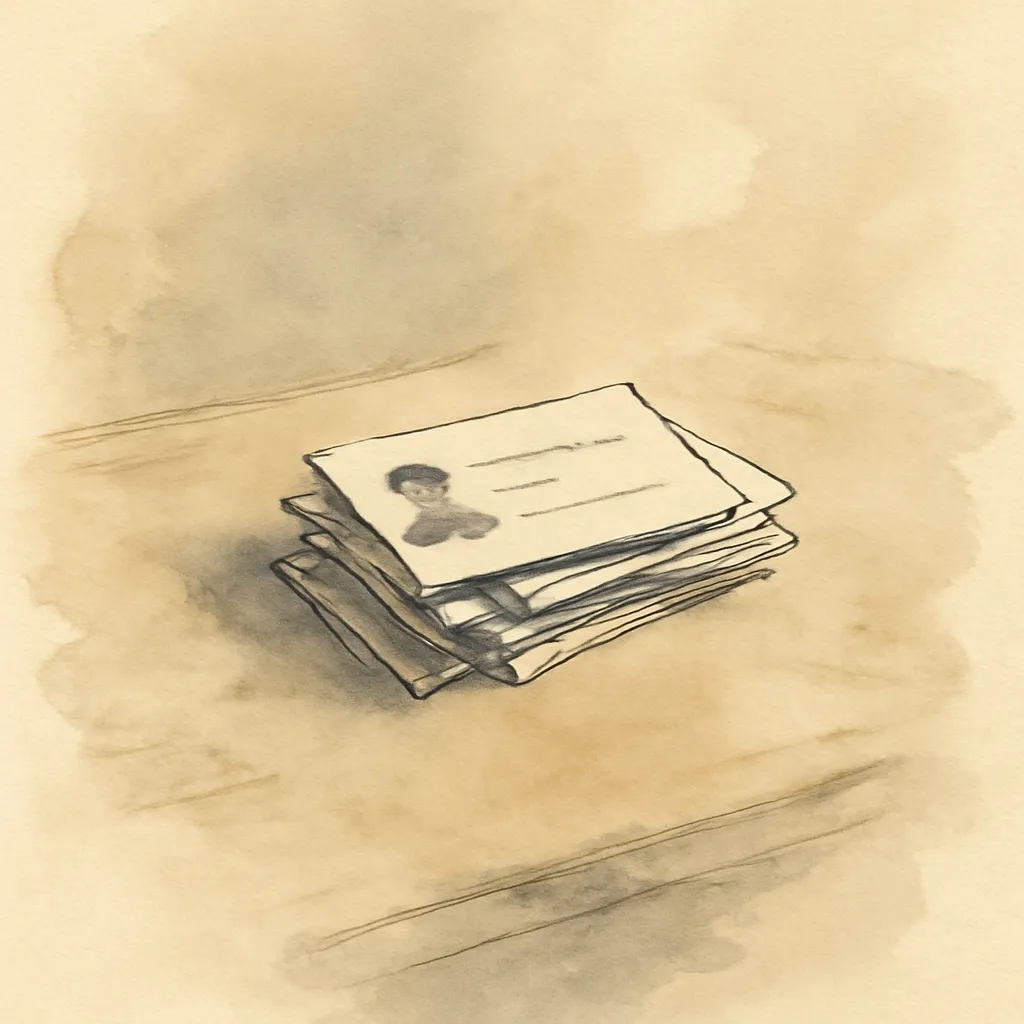
Before his transformation, Gregor is depicted as the sole provider for his family, enduring the hardships of a tedious job to support them. This responsibility weighs heavily on him, and his metamorphosis forces him to confront the burdens he has carried. His initial thoughts reveal a profound weariness with the demands of his role, as he reflects on the strain of constant travel and the lack of personal fulfillment. Once transformed, Gregor's inability to work shifts the dynamics of his family life. The mounting pressure on his family to support themselves reveals the fragility of their previous reliance on him. Kafka uses this shift to explore how societal expectations can impose unbearable burdens on individuals, leading to a disconnection from one’s own desires and identity.
4.Impact on Family Dynamics
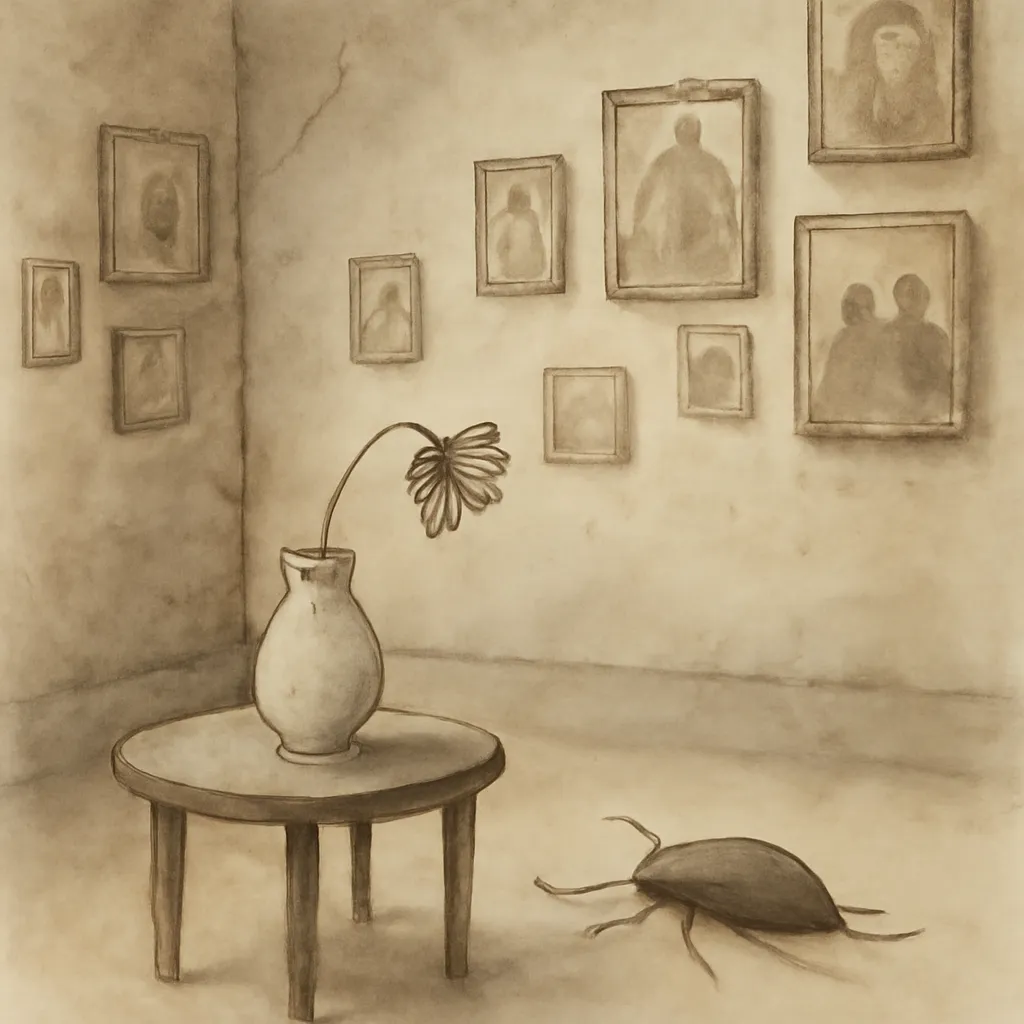
The transformation of Gregor not only affects him but also drastically alters the dynamics within his family. Initially, there is a sense of concern, but as time passes, his family’s empathy gives way to frustration and resentment. Gregor’s father, who once relied on him, becomes increasingly hostile, while his mother oscillates between denial and distress. Gregor's sister, Grete, initially shows compassion, but her caring nature eventually fades as she too becomes overwhelmed by the burden of caring for him. This evolution in family dynamics emphasizes how crises can expose underlying tensions and reveal the fragility of relationships. As each family member grapples with their new reality, the reader witnesses a tragic unraveling of what was once a cohesive unit.
5.The Role of Communication
Communication plays a crucial role in 'The Metamorphosis,' highlighting the barriers that arise when understanding breaks down. Gregor’s inability to articulate his thoughts and feelings after his transformation serves as a poignant reminder of how essential communication is to human connection. His family’s failure to comprehend his predicament leads to feelings of isolation and despair. The moments of attempted communication, such as Gregor's desperate sounds and movements, go unrecognized or misinterpreted, further alienating him. This lack of effective communication underscores the challenges faced by those who feel misunderstood or marginalized in society, inviting readers to reflect on the importance of empathy and understanding in fostering connections.
6.Existential Themes and the Absurd
Kafka's work is steeped in existential themes, particularly the absurdity of existence. Gregor's transformation can be viewed through the lens of existential philosophy, where life is often seen as inherently meaningless. His struggle to find purpose in his new form mirrors the human quest for meaning in a chaotic and indifferent world. The absurdity of his situation—turning into a vermin yet still grappling with human concerns—highlights the conflict between personal identity and societal expectations. Gregor's plight serves as a reflection of the human condition, prompting readers to consider their own struggles with meaning and purpose in a world that often seems devoid of both.
7.The Symbolism of the Vermin
The choice of a vermin as Gregor's new form is rich with symbolism, representing the dehumanization and commodification of individuals in modern society. As a traveling salesman, Gregor is already a cog in the capitalist machine, valued only for his productivity. His transformation into a vermin underscores the extent to which he has been reduced to a mere object, stripped of his humanity and individuality. This metamorphosis serves as a critique of a society that prioritizes economic contributions over personal worth. The grotesque imagery evokes a visceral reaction from the reader, emphasizing the horror of losing one’s identity and humanity in the face of societal demands.
8.The Burden of Guilt and Shame
As Gregor's condition deteriorates, he becomes acutely aware of the burden of guilt and shame that accompanies his transformation. Initially, he feels guilty for being unable to fulfill his role as the family provider, which amplifies his sense of worthlessness. His family's growing resentment towards him further compounds these feelings, as he internalizes their disgust and disappointment. Kafka illustrates how guilt can be paralyzing, preventing Gregor from seeking help or attempting to communicate his feelings. The emotional weight of shame and guilt ultimately leads to his tragic demise, serving as a poignant reminder of how these feelings can distort one’s sense of self and lead to isolation.
9.The Final Resolution and Acceptance
The conclusion of 'The Metamorphosis' is marked by a tragic resolution that encapsulates the themes of alienation and acceptance. Gregor’s death is not only a release from his torment but also a moment of grim acceptance for his family, who finally feel liberated from the burden he has become. This resolution raises unsettling questions about the value of life and the conditions under which we deem someone worthy of love and care. The family's relief following his death starkly contrasts with the emotional turmoil Gregor experienced, emphasizing the harsh realities of human relationships. Kafka’s ending serves as a powerful commentary on the fragility of human connection and the ease with which society can discard those who are deemed unworthy.
10.The Reflection of Society’s Indifference
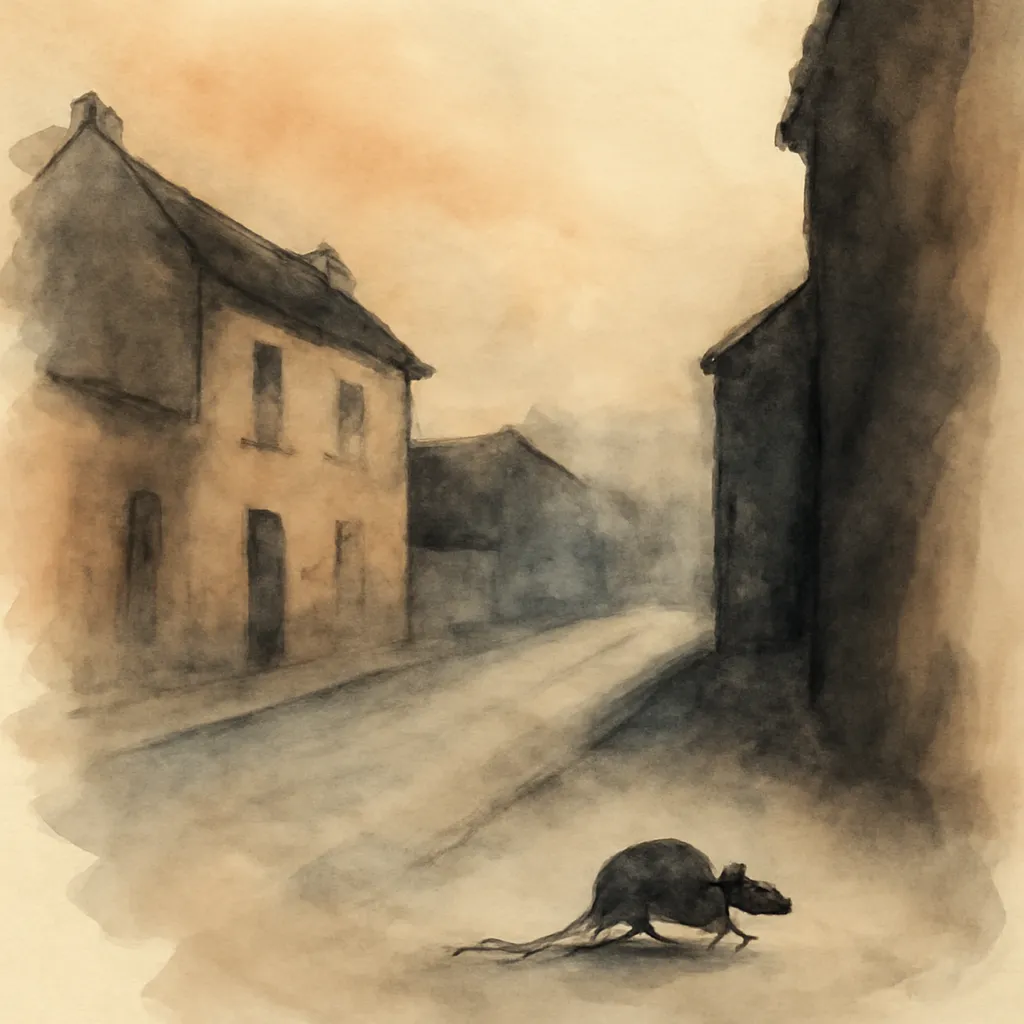
Kafka's narrative reflects a broader societal indifference towards those who are marginalized or deemed different. Gregor’s transformation elicits a range of reactions from his family, highlighting their initial concern that quickly morphs into revulsion and neglect. This shift mirrors society's tendency to ostracize individuals who do not conform to established norms. The family's eventual acceptance of Gregor's death as a relief underscores a chilling reality—those who cannot contribute to societal expectations are often abandoned. Kafka's portrayal of this indifference invites readers to reflect on their own attitudes towards the marginalized, urging a reconsideration of empathy and compassion in a world that often prioritizes productivity over humanity.