
Chekhov's short stories illuminate the complexities of human nature and society through vivid characters and poignant narratives
Read full overviewShow less›
The compilation of short stories by Anton Pavlovich Chekhov offers a rich tapestry of human experience, exploring themes of love, loss, social injustice, and the often absurd nature of existence. With a keen eye for detail and a profound understanding of psychology, Chekhov crafts narratives that resonate deeply, inviting readers to reflect on their own lives and the world around them. Each story is a unique glimpse into the lives of ordinary people, revealing their dreams, disappointments, and the intricacies of their relationships. Through simple yet powerful prose, Chekhov captures the essence of humanity, making his work timeless and universally relatable. This collection not only entertains but also challenges readers to confront the complexities of their own emotions and societal roles.
Chekhov's compilation of short stories offers a profound exploration of the human condition, delving into themes of love, suffering, and the search for meaning. Through richly drawn characters and intricate narratives, he invites readers to reflect on their own lives and the complexities of their emotions. Chekhov's ability to capture the nuances of human experience makes his work timeless and relevant, encouraging a deeper understanding of ourselves and others. In a world that often feels chaotic and unpredictable, Chekhov's insights serve as a reminder of the shared struggles and joys of humanity, urging us to embrace our connections and confront the challenges of existence with empathy and courage.
- 1The Illusion of Control
- 2The Weight of Idleness
- 3Social Class and Discontent
- 4The Complexity of Love
- 5The Burden of Responsibility
Notable quotes
“But at last above the uproar of the storm he heard the far-away barking of a dog.”
“She did not like me. She disliked me because I was a landscape painter and did not in my pictures portray the privations of the peasants.”
“I have a very definite opinion on that subject, I assure you.”
A glimpse inside

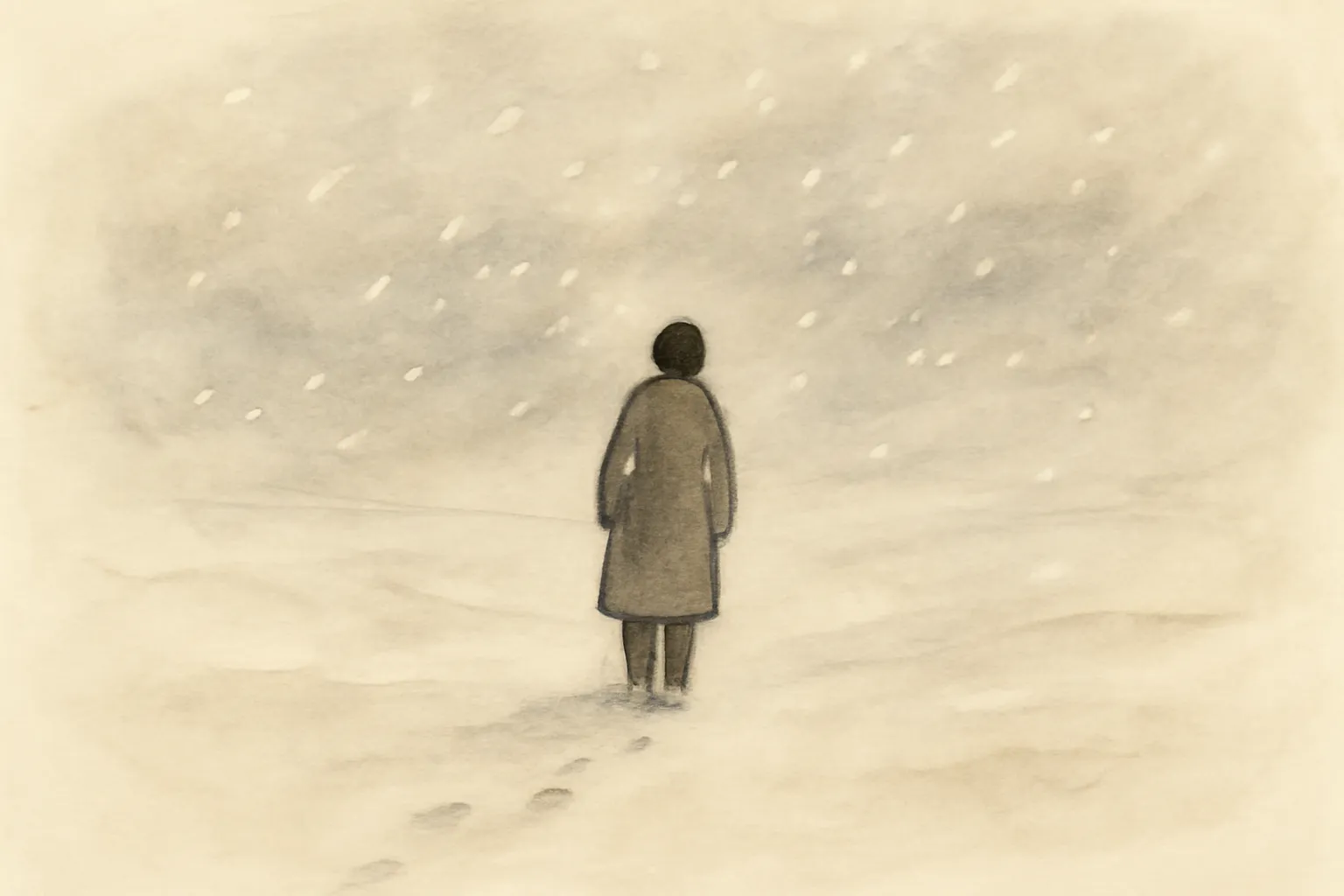
In the story of Yergunov, a hapless hospital assistant, Chekhov illustrates the futility of human control over circumstances. Read moreIn the story of Yergunov, a hapless hospital assistant, Chekhov illustrates the futility of human control over circumstances. Yergunov's journey home becomes a chaotic struggle against a snowstorm, symbolizing the unpredictability of life. Despite his bravado and reliance on the horse to find the way, he is ultimately lost and at the mercy of the elements. This reflects a deeper commentary on human arrogance; individuals often believe they can navigate their paths effortlessly, yet external forces can render them powerless. Chekhov imbues Yergunov's character with a sense of desperation as he fumbles through the storm, embodying the universal experience of feeling lost and disoriented. The violent snowstorm is not just a backdrop; it serves as a metaphor for the unpredictability and harsh realities of life. This narrative invites readers to confront their own sense of agency and recognize that sometimes, surrendering to the flow of events is all one can do. Show less
The narrator’s musings on his idle life in the estate of Byelokurov reveal the psychological burden of inaction. Chekhov paints a vivid picture of the protagonist's ennui… Read moreThe narrator’s musings on his idle life in the estate of Byelokurov reveal the psychological burden of inaction. Chekhov paints a vivid picture of the protagonist's ennui, as he spends his days gazing out the window, lost in thought. This state of idleness is not merely a lack of activity; it becomes a mental prison that stifles creativity and self-discovery. The contrast between the vibrant life outside and the narrator's stagnant existence highlights the importance of engagement with the world. Chekhov chronicles the trivialities of the protagonist's daily routine, emphasizing how the absence of meaningful activity leads to a profound sense of dissatisfaction. The narrator’s introspection culminates in a yearning for purpose, suggesting that human beings thrive on connection and engagement. Chekhov's portrayal of idleness serves as a cautionary tale, urging readers to seek purpose and connection in their lives rather than succumb to the numbing effects of inaction. Show less
Read the full text — free
About the author
Read Anton Pavlovich Chekhov's work free on Lumina — the complete text plus an 8-minute summary and key ideas, no account needed