

Sin and secrecy in Puritan Boston — Hester Prynne and the letter A.
Read full overviewShow less›
Nathaniel Hawthorne's The Scarlet Letter delves into the complexities of sin and redemption in a Puritan society. Set in 17th century New England, it tells the story of Hester Prynne, a woman marked by her sin of adultery, and her struggle for identity and acceptance in a community that punishes her for her transgressions. Through rich symbolism and intricate character development, the novel examines the themes of guilt, societal hypocrisy, and the quest for personal redemption. Readers will gain insights into the human condition, the weight of public condemnation, and the intricacies of moral choices that define our existence.
The Scarlet Letter remains a poignant exploration of the human condition, delving into the complexities of sin, guilt, and societal judgment. Hawthorne’s rich symbolism and character development invite readers to reflect on the nature of morality and the impact of societal norms on personal identity. Through Hester Prynne’s journey, we witness the resilience of the human spirit in the face of shame and isolation, while Dimmesdale’s struggle illustrates the perils of hidden guilt. The novel ultimately advocates for honesty, compassion, and the potential for redemption, reminding us that our past does not have to define our future. In a world still grappling with issues of judgment and morality, The Scarlet Letter resonates with timeless relevance, encouraging us to confront our own truths and seek understanding in the complexities of human experience.
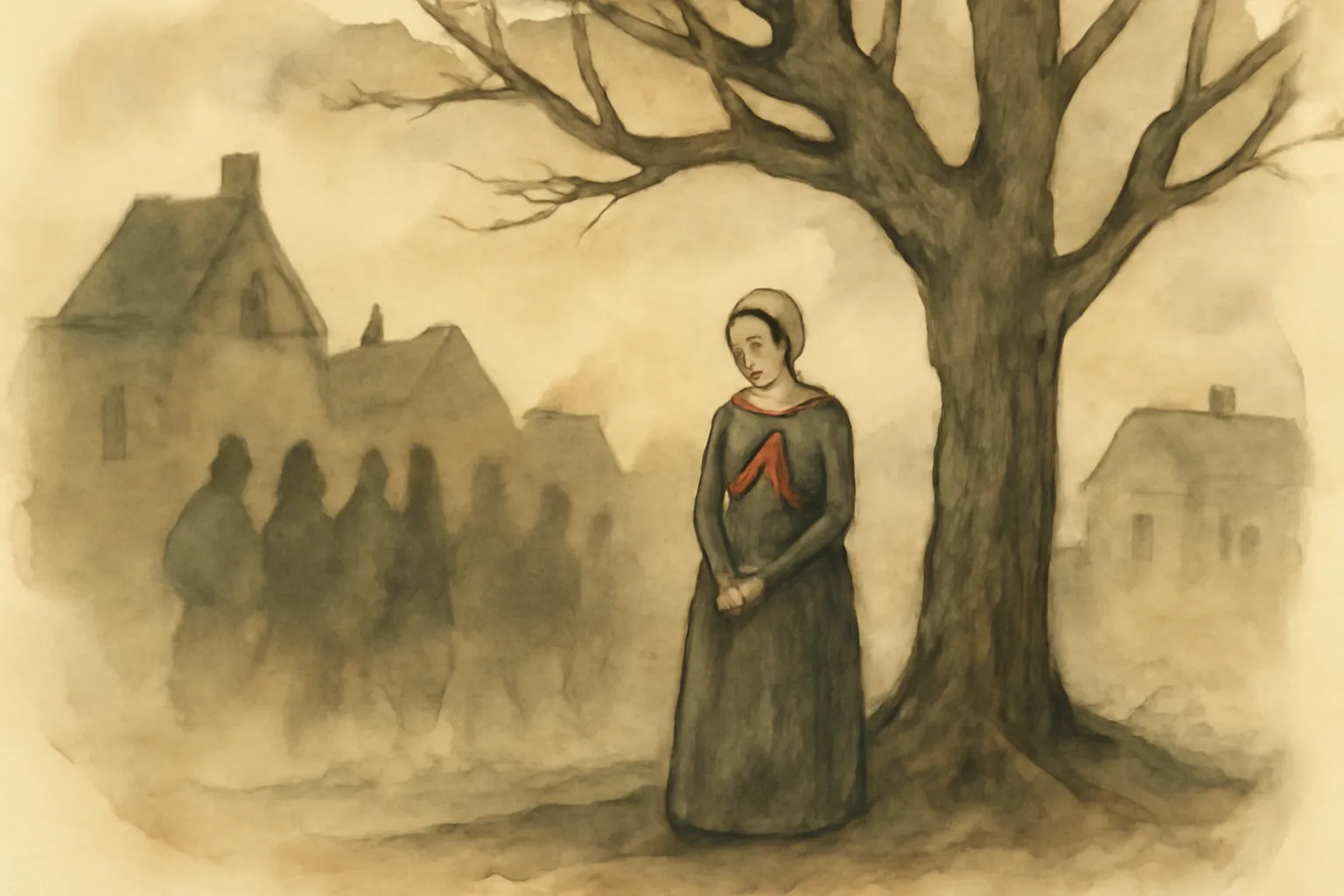
- 1The Burden of the Scarlet Letter
- 2Societal Hypocrisy
- 3The Complexity of Sin and Redemption
- 4The Role of Women in Society
- 5Nature as a Reflection of Inner Conflict
A glimpse inside

Hester Prynne is condemned to wear a scarlet letter 'A' on her chest as a symbol of her sin of adultery. This letter becomes a powerful emblem of shame and public scorn,… Read moreHester Prynne is condemned to wear a scarlet letter 'A' on her chest as a symbol of her sin of adultery. This letter becomes a powerful emblem of shame and public scorn, shaping her identity in the eyes of the community. Despite the initial intention to punish her, the letter also transforms into a symbol of resilience and strength. As Hester navigates her life with this mark, she grapples with her own self-worth and the perceptions of those around her. The scarlet letter serves as a constant reminder of her sin, but it also becomes a part of her identity that she learns to redefine through her actions and compassion toward others. In this way, Hawthorne illustrates how society’s judgments can deeply impact an individual’s sense of self. Show less
The Puritan community in which Hester lives is characterized by strict moral codes and a harsh judgment of sin. However, the novel reveals the hypocrisy underlying these… Read moreThe Puritan community in which Hester lives is characterized by strict moral codes and a harsh judgment of sin. However, the novel reveals the hypocrisy underlying these societal norms. While Hester is publicly shamed for her adultery, other characters, such as Reverend Dimmesdale, hide their sins behind a facade of piety. This contrast highlights the theme that those who appear virtuous may harbor their own guilt and flaws, suggesting that public perception often fails to reflect true morality. Hawthorne critiques the society that prioritizes outward appearances over genuine virtue, illustrating how such hypocrisy can lead to suffering and internal conflict. The community’s inability to acknowledge its own failings further alienates Hester and exacerbates her isolation. Show less
Read the full text — free
About the author
Read Nathaniel Hawthorne's work free on Lumina — the complete text plus an 8-minute summary and key ideas, no account needed.
Frequently asked
Worlds to get lost in
Take Lumina everywhere
Read offline, listen to AI summaries, speed-read, and sync your progress across devices — free on iPhone.
Download for iPhone