1.The Burden of the Scarlet Letter
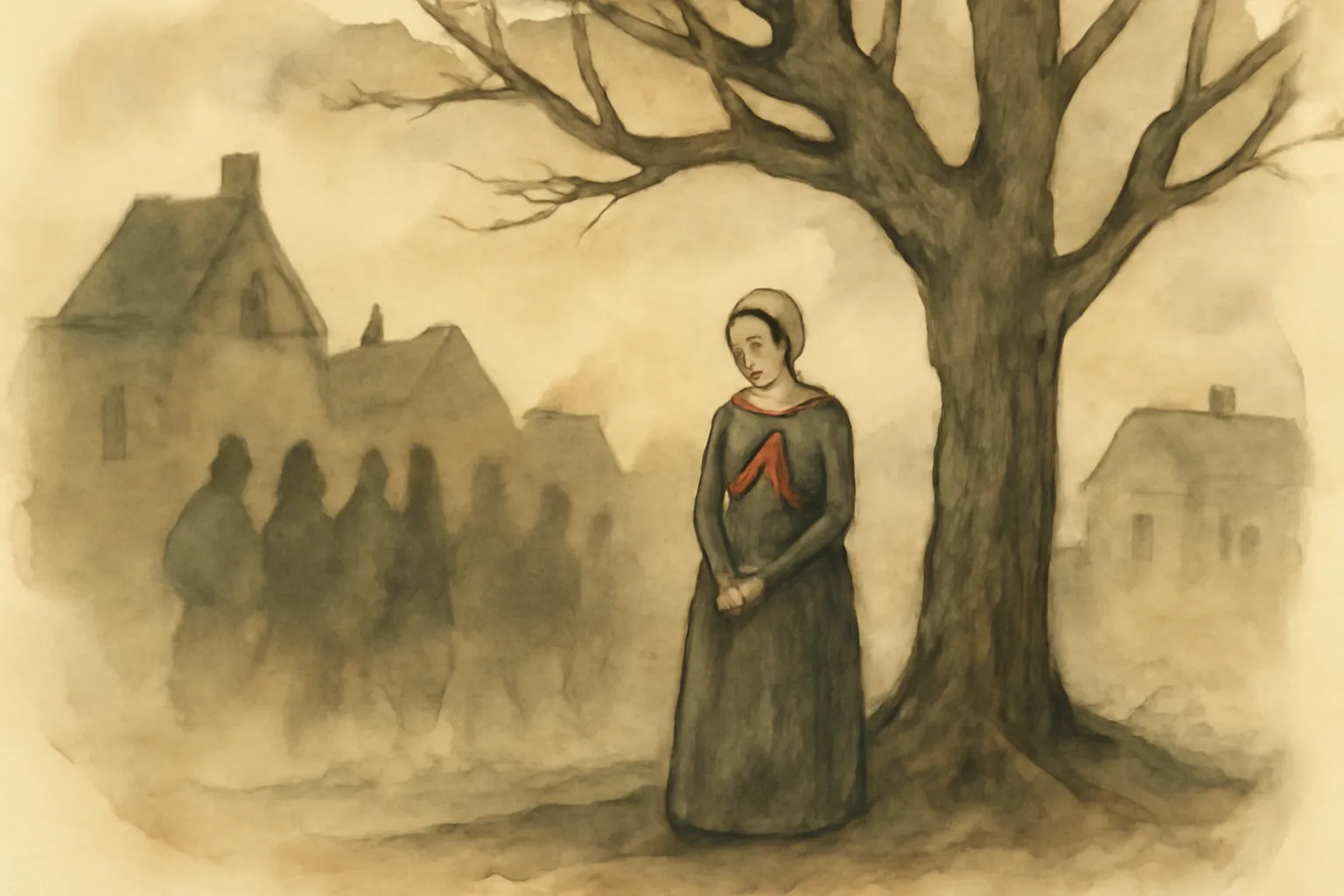
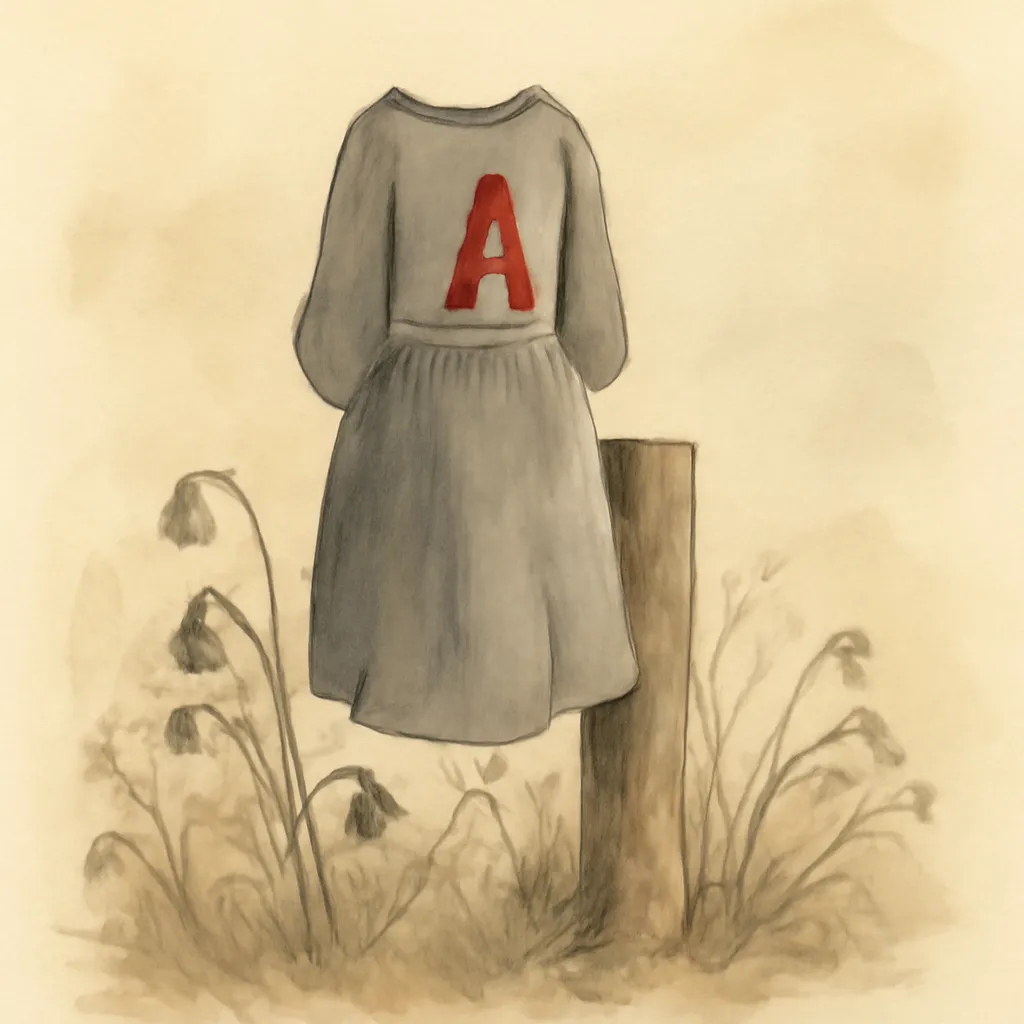
Hester Prynne is condemned to wear a scarlet letter 'A' on her chest as a symbol of her sin of adultery. This letter becomes a powerful emblem of shame and public scorn, shaping her identity in the eyes of the community. Despite the initial intention to punish her, the letter also transforms into a symbol of resilience and strength. As Hester navigates her life with this mark, she grapples with her own self-worth and the perceptions of those around her. The scarlet letter serves as a constant reminder of her sin, but it also becomes a part of her identity that she learns to redefine through her actions and compassion toward others. In this way, Hawthorne illustrates how society’s judgments can deeply impact an individual’s sense of self.
2.Societal Hypocrisy
The Puritan community in which Hester lives is characterized by strict moral codes and a harsh judgment of sin. However, the novel reveals the hypocrisy underlying these societal norms. While Hester is publicly shamed for her adultery, other characters, such as Reverend Dimmesdale, hide their sins behind a facade of piety. This contrast highlights the theme that those who appear virtuous may harbor their own guilt and flaws, suggesting that public perception often fails to reflect true morality. Hawthorne critiques the society that prioritizes outward appearances over genuine virtue, illustrating how such hypocrisy can lead to suffering and internal conflict. The community’s inability to acknowledge its own failings further alienates Hester and exacerbates her isolation.
3.The Complexity of Sin and Redemption
Hawthorne explores the multifaceted nature of sin through Hester, Dimmesdale, and Chillingworth. Hester’s sin, while publicly condemned, leads her on a path of personal growth and empathy, suggesting that true redemption can come from accepting one’s mistakes and striving to do better. In contrast, Dimmesdale’s hidden guilt consumes him, leading to his physical and spiritual decline. His internal struggle illustrates the destructive power of unacknowledged sin and the toll it takes on the soul. Chillingworth, on the other hand, represents a different kind of sin—vengeance. His obsession with revenge against Dimmesdale ultimately corrupts him, showing that the desire to punish others can lead to one’s own moral decay. Through these characters, the novel presents a nuanced view of sin, indicating that redemption is possible but often requires confronting the truth of one’s actions.
4.The Role of Women in Society
Hester Prynne’s experience highlights the limited roles and harsh scrutiny faced by women in Puritan society. As a single mother and a woman who defies societal norms, Hester embodies both strength and vulnerability. Her struggle for autonomy and acceptance reflects the broader challenges women faced during this era, where their identities were often defined by their relationships with men. Hester’s resilience in the face of public shaming allows her to carve out a space for herself, but she remains constrained by societal expectations. The novel critiques the rigid gender roles of the time, suggesting that women like Hester, who challenge these norms, possess a unique strength that can lead to personal empowerment. Through Hester's journey, Hawthorne advocates for a reevaluation of women's roles and the recognition of their intrinsic value beyond societal labels.
5.Nature as a Reflection of Inner Conflict
Hawthorne uses nature as a powerful symbol throughout The Scarlet Letter, reflecting the inner turmoil of the characters. The forest, in particular, represents a space of freedom and authenticity, contrasting sharply with the oppressive Puritan society. It is in the forest that Hester and Dimmesdale can express their true feelings and desires, away from the judgmental gaze of their community. Nature serves as a sanctuary where they can momentarily escape their guilt and shame. Conversely, the oppressive atmosphere of the town symbolizes the constraints placed on individual desires and the weight of societal expectations. By juxtaposing these natural settings with the rigid structures of the town, Hawthorne emphasizes the conflict between personal freedom and societal conformity, illustrating how nature can serve as both a refuge and a reminder of one’s struggles.
6.The Child as a Symbol of Hope and Innocence
Pearl, Hester’s daughter, embodies both the consequences of sin and the possibility of redemption. Her existence is a constant reminder of Hester’s past, yet she also represents the potential for a new beginning. Unlike her mother, who bears the weight of societal judgment, Pearl is a free spirit, unencumbered by societal norms. She challenges the expectations placed upon her, often acting as a mirror to Hester’s own struggles and desires. Pearl’s wildness and innocence contrast with the harsh reality of the world around her, suggesting that hope and purity can exist even in the midst of sin. As Hester seeks to protect Pearl from the stigma associated with her birth, she also recognizes that Pearl’s future is intertwined with her own past. Through Pearl, Hawthorne illustrates the complexities of motherhood, the innocence of childhood, and the possibility of healing and renewal.
7.The Psychological Impact of Guilt
Dimmesdale’s struggle with guilt serves as a central psychological theme in The Scarlet Letter. His hidden sin manifests physically and mentally, leading to a decline in his health and wellbeing. The internal conflict between his public persona as a revered minister and his private shame creates a profound sense of isolation and despair. This psychological torment illustrates the destructive nature of unconfessed guilt, as Dimmesdale becomes increasingly consumed by his own conscience. Hawthorne portrays guilt not just as a moral failing but as a force that can degrade one’s spirit and physical health. The novel suggests that confronting one’s guilt is essential for healing, as demonstrated by Hester’s journey toward acceptance and Dimmesdale’s ultimate struggle with his own conscience. Through this exploration, Hawthorne underscores the importance of honesty in the face of personal failings.
8.The Quest for Identity
Hester Prynne’s journey throughout The Scarlet Letter is fundamentally one of self-discovery and identity. At the beginning of the novel, she is defined solely by her sin and the scarlet letter that brands her. However, as she endures her punishment and navigates her life, Hester begins to redefine herself beyond the confines of societal judgment. Her work as a seamstress and her acts of kindness allow her to forge a new identity that incorporates both her past and her resilience. Over time, she becomes a figure of strength within the community, even as she remains an outcast. Hawthorne illustrates that identity is not fixed but can evolve through personal experiences and choices. Hester’s quest for self-identity highlights the human capacity for growth and transformation, even in the face of adversity.
9.The Consequences of Revenge
Chillingworth’s character serves as a cautionary tale about the destructive nature of revenge. His obsession with punishing Dimmesdale for his betrayal consumes him, leading to a moral decay that ultimately defines his existence. Chillingworth’s transformation from a wronged husband to a vengeful figure illustrates how the desire for revenge can corrupt one’s soul and lead to isolation. As he becomes more consumed by his quest for retribution, he loses his humanity and the ability to connect with others. This theme resonates with the idea that vengeance, rather than providing satisfaction, often leads to deeper suffering and loss. Through Chillingworth’s fate, Hawthorne emphasizes that letting go of anger and seeking forgiveness can be more liberating than succumbing to the desire for revenge.
10.The Power of Confession
The act of confession plays a critical role in The Scarlet Letter, particularly in the journeys of both Hester and Dimmesdale. For Hester, her public confession serves as a catalyst for her transformation; she openly acknowledges her sin and takes responsibility for her actions. This act empowers her to redefine her identity and find strength in her vulnerability. In contrast, Dimmesdale’s failure to confess leads to his downfall. His hidden guilt manifests in physical suffering and spiritual turmoil, illustrating the detrimental effects of secrecy and repression. The novel underscores the importance of truth and honesty, suggesting that confession can lead to healing and redemption. Hawthorne’s exploration of confession reveals that while it may be painful, it is a necessary step toward achieving inner peace and reconciling with oneself and society.