
English literature · New York Times bestseller · Space and time
Sea of Tranquility by Emily St. John Mandel — Summary, Key Ideas & Quotes
1999272 pages✦ 3-min Big ideas★ 3.8 (25)
Rate it
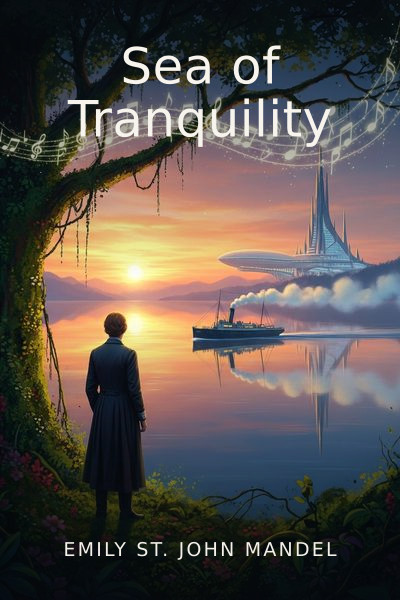
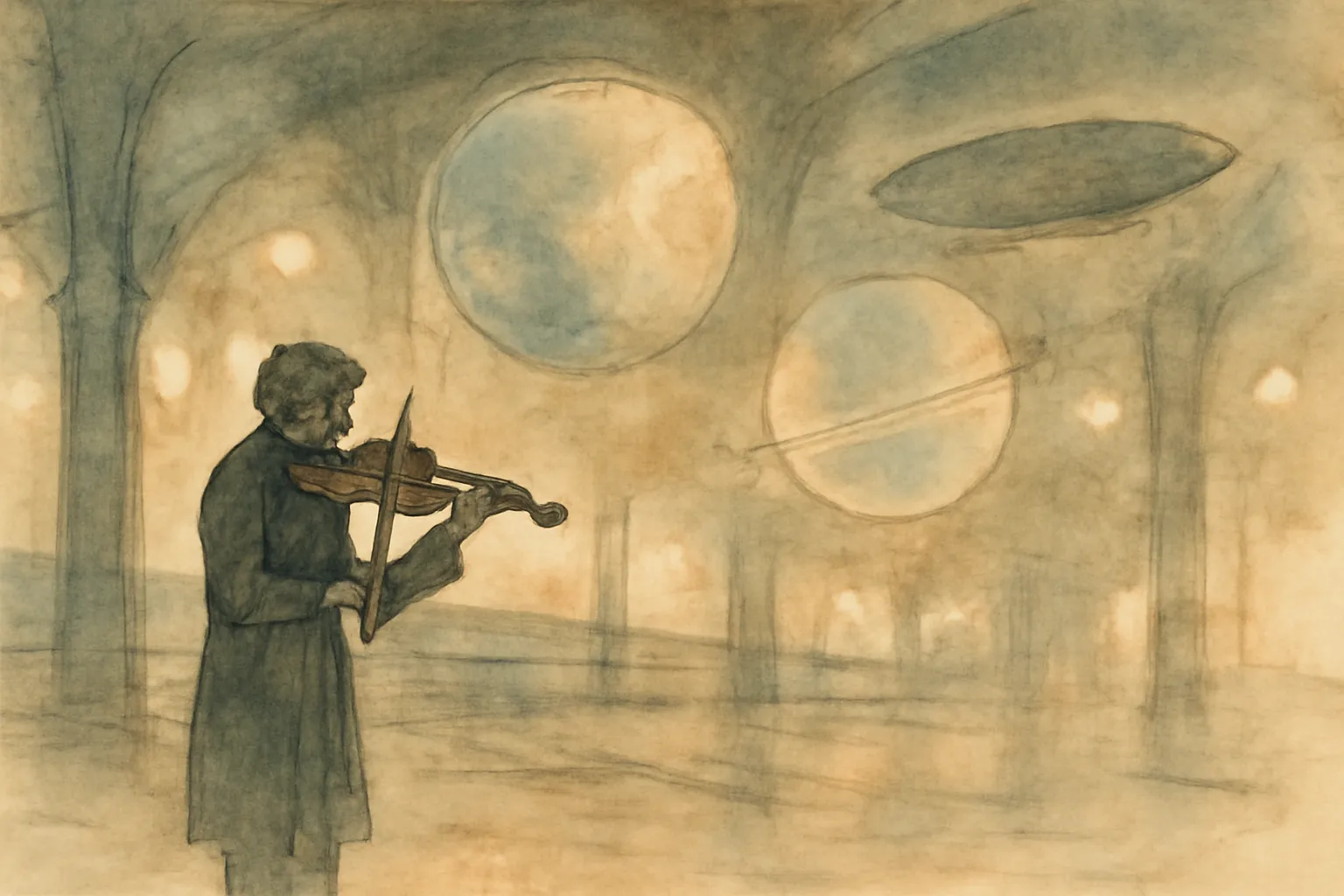
Edwin St. Andrew is eighteen years old when he crosses the Atlantic by steamship, exiled from polite society following an ill-conceived diatribe at a dinner party. He enters the forest, spellbound by the beauty of the Canadian wilderness, and suddenly hears the notes of a violin echoing in an airship terminal--an experience that shocks him to his core. Two centuries later a famous writer named Olive Llewellyn is on a book tour. She's traveling all over Earth, but her home is the second moon colony, a place of white stone, spired towers, and artificial beauty. Within the text of Olive's best-selling pandemic novel lies a strange passage: a man plays his violin for change in the echoing corridor of an airship terminal as the trees of a forest rise around him. When Gaspery-Jacques Roberts, a detective in the black-skied Night City, is hired to investigate an anomaly in the North American wilderness, he uncovers a series of lives upended: The exiled son of an earl driven to madness, a writer trapped far from home as a pandemic ravages Earth, and a childhood friend from the Night City who, like Gaspery himself, has glimpsed the chance to do something extraordinary that will disrupt the timeline of the universe. A virtuoso performance that is as human and tender as it is intellectually playful, Sea of Tranquility is a novel of time travel and metaphysics that precisely captures the reality of our current moment.
Emily St. John Mandel uses interlocking timelines, spanning from the early 20th century to a far-future lunar colony, to challenge the linearity of time. The recurring anomaly—a mysterious moment where characters from different eras experience the same event—raises questions about the nature of existence and whether reality is fixed or malleable. The novel invites readers to consider how the past, present, and future are interconnected, and whether our lives are as separate as they seem.
Art, particularly literature and music, is depicted as a means of survival and connection during times of upheaval. Olive Llewellyn, a novelist touring Earth during a pandemic, finds her own fiction eerily mirroring reality. The motif of the violinist in the airship terminal becomes a symbol of beauty persisting amid chaos. Mandel suggests that art not only documents crisis but also provides solace and a sense of continuity across generations.
“We knew it was coming, but we didn’t believe it until it arrived.”
“No star burns forever.”