1.Time as a Fluid Construct
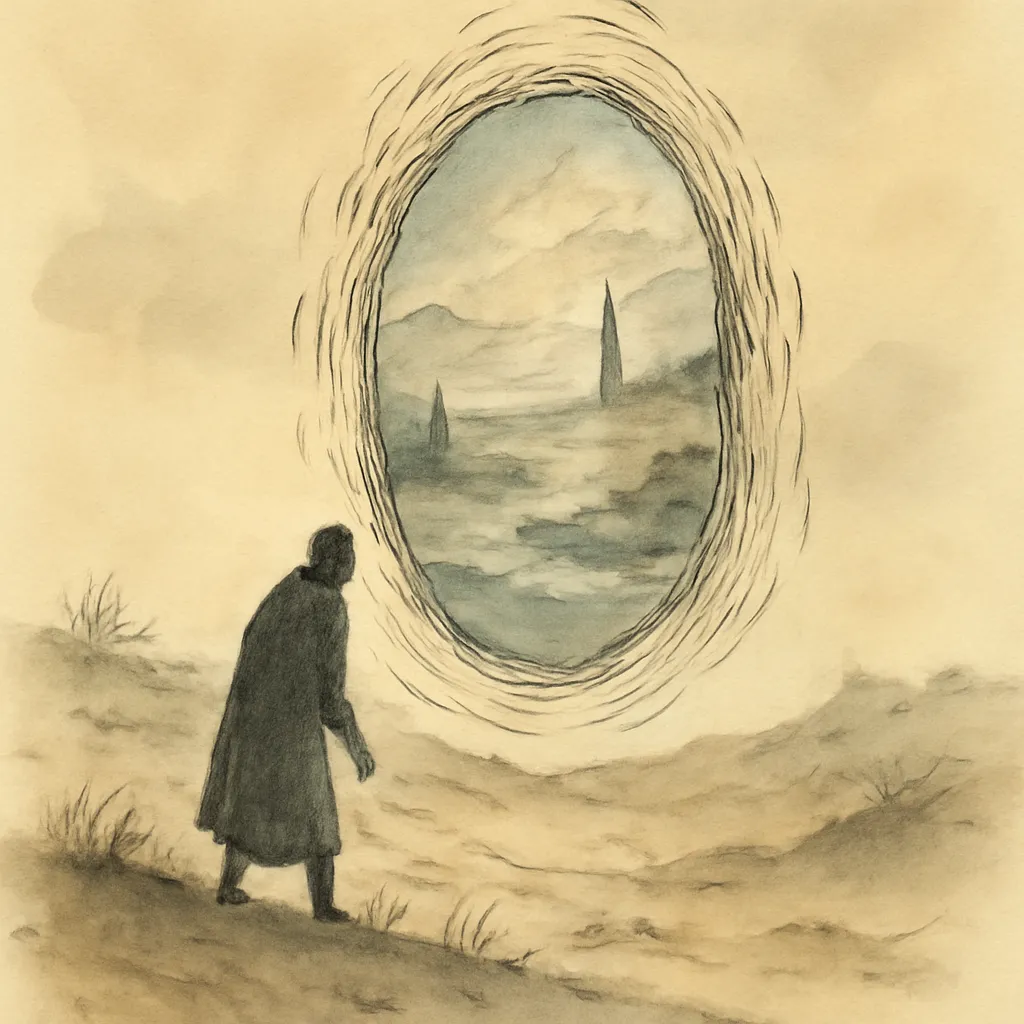
Emily St. John Mandel uses interlocking timelines, spanning from the early 20th century to a far-future lunar colony, to challenge the linearity of time. The recurring anomaly—a mysterious moment where characters from different eras experience the same event—raises questions about the nature of existence and whether reality is fixed or malleable. The novel invites readers to consider how the past, present, and future are interconnected, and whether our lives are as separate as they seem.
2.Art as a Lifeline Through Catastrophe
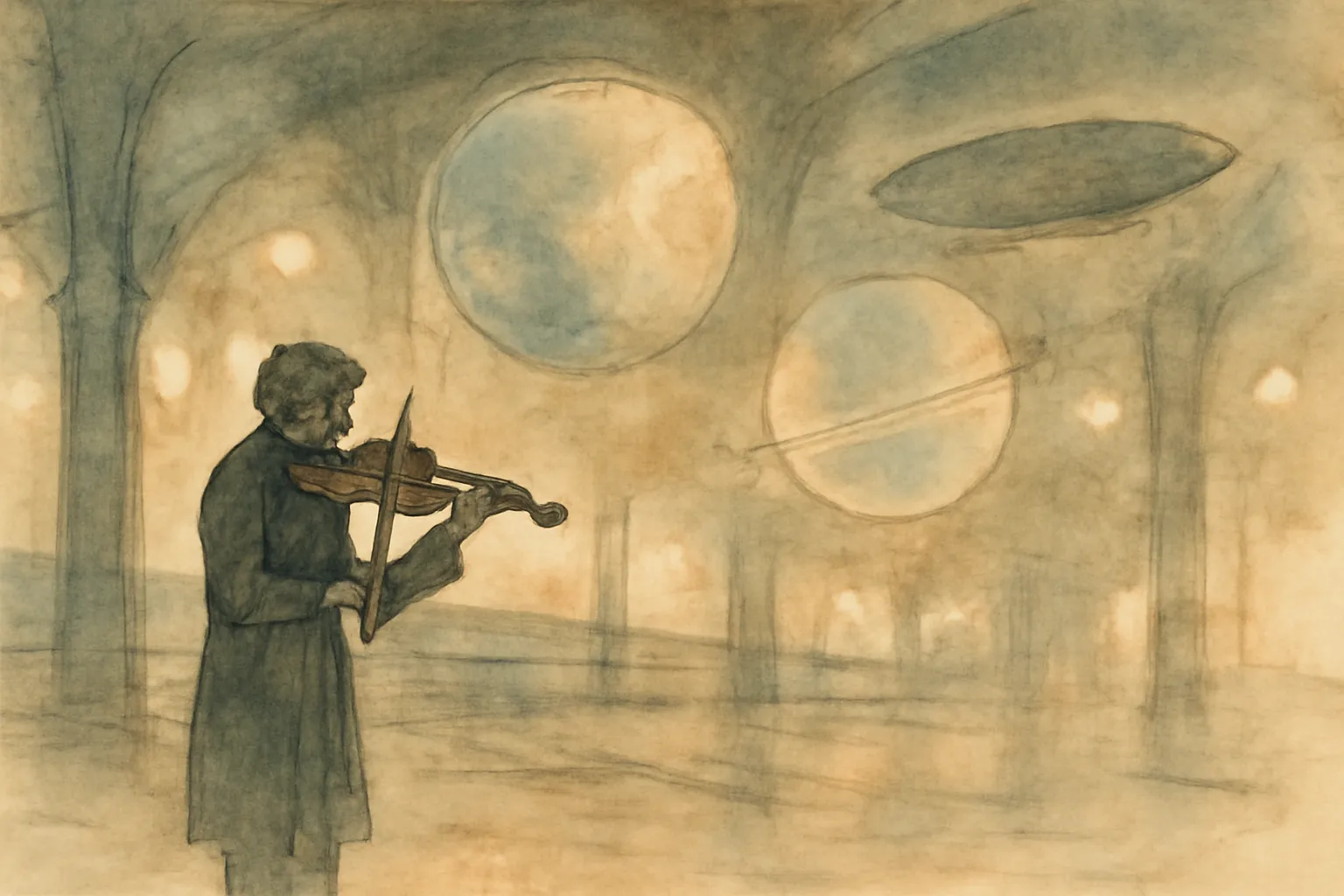
Art, particularly literature and music, is depicted as a means of survival and connection during times of upheaval. Olive Llewellyn, a novelist touring Earth during a pandemic, finds her own fiction eerily mirroring reality. The motif of the violinist in the airship terminal becomes a symbol of beauty persisting amid chaos. Mandel suggests that art not only documents crisis but also provides solace and a sense of continuity across generations.
3.Pandemics and Human Vulnerability
The novel is steeped in the psychic aftermath of pandemics, both historical and imagined. Mandel deftly explores how societies and individuals respond to existential threats, drawing subtle parallels to her earlier work, Station Eleven, and to real-world events. The story probes the fragility of civilization and the ways in which fear, isolation, and hope shape our responses to crisis.
4.The Search for Meaning Amid Anomalies
Characters in Sea of Tranquility are united by their encounters with inexplicable phenomena. Gaspery-Jacques Roberts’s investigation into the anomaly becomes a quest for meaning in a universe that may be simulated or fundamentally unstable. The novel plays with science fiction tropes while remaining grounded in the emotional realities of its characters, suggesting that the search for meaning is universal, even in the face of cosmic uncertainty.
5.Interconnectedness Across Time and Space
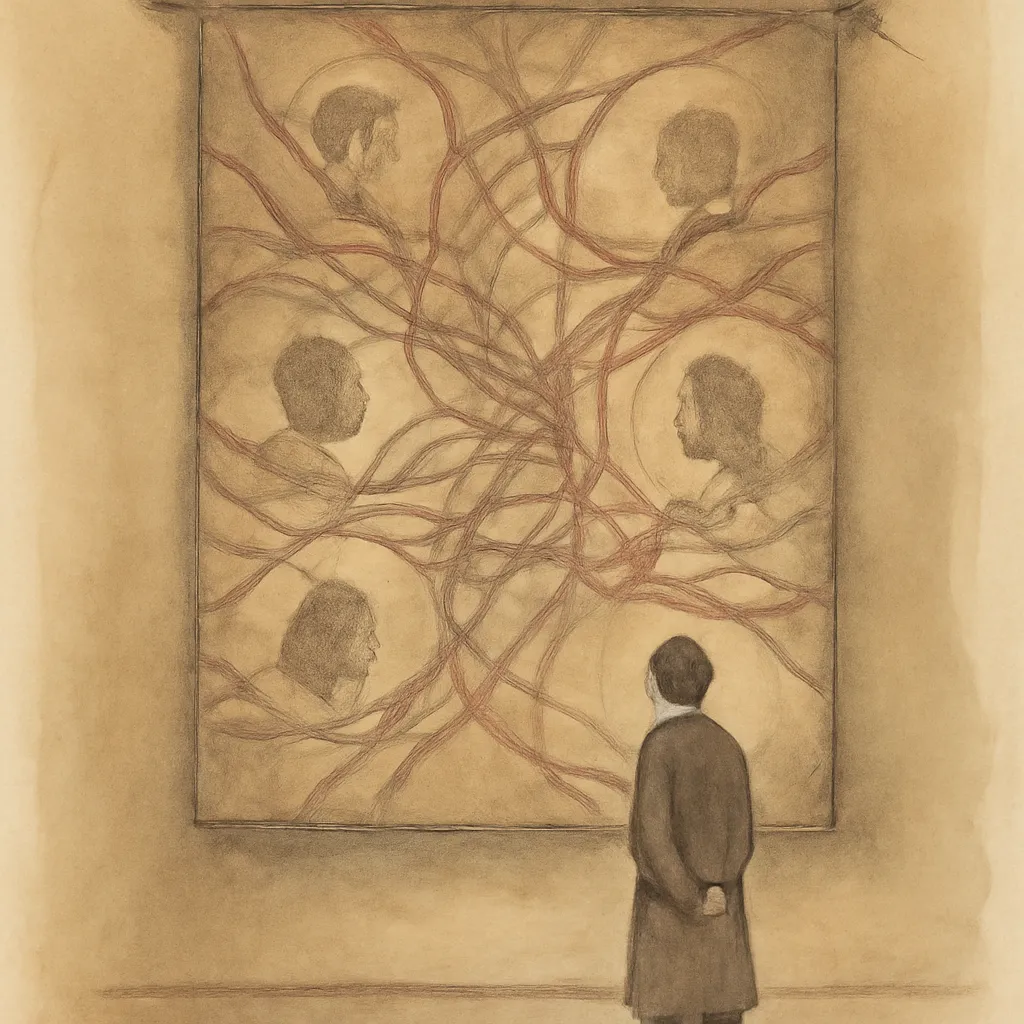
Despite their disparate settings, the characters’ lives echo and intersect in surprising ways. Mandel emphasizes the invisible threads—of family, art, trauma, and love—that bind people across centuries. The narrative structure itself, looping and recursive, mirrors these connections, inviting readers to reflect on the ways our actions and creations reverberate beyond our own lifetimes.
6.The Limits of Control and the Acceptance of Uncertainty
Sea of Tranquility ultimately suggests that uncertainty is an inescapable part of existence. Whether facing pandemics, exile, or inexplicable anomalies, the characters must learn to live with ambiguity. The novel finds beauty in this acceptance, proposing that meaning is not found in certainty, but in the ways we care for one another and persist in the face of the unknown.