Philosophy · Stoicism · Short Reads
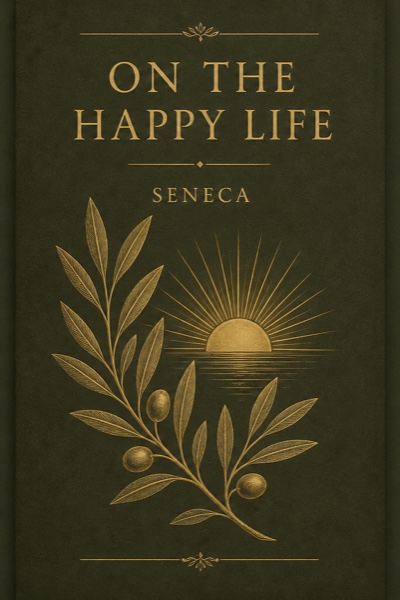
On the Happy Life by Seneca — Summary, Key Ideas & Full Text
43 pages4 chapters52 min read37 min speed read✦ 7-min Big ideasFree · no account
Rate it
Happiness is not found in external pursuits but cultivated through virtue and wisdom
In 'On the Happy Life,' Seneca delves into the nature of happiness, challenging the conventional beliefs that tie joy to external achievements and material possessions. Instead, he presents a compelling argument that true happiness arises from the cultivation of virtue and wisdom. By examining the misguided paths many take in their pursuit of happiness, he illuminates the need for a clear understanding of what constitutes a fulfilling life. Through this exploration, readers are invited to reflect on their own lives and consider the deeper values that lead to genuine contentment. Ultimately, Seneca advocates for a life grounded in moral integrity and self-awareness as the true foundation for happiness.
Seneca's 'On the Happy Life' serves as a profound exploration of the nature of happiness, urging readers to reconsider their pursuits and values. By emphasizing the importance of virtue, wisdom, and self-reflection, he provides a roadmap for achieving genuine contentment that is not reliant on external circumstances. This philosophical approach encourages individuals to cultivate their inner lives, fostering resilience and a deeper appreciation for the richness of existence. In a world often consumed by the superficial chase for pleasure and material success, Seneca's insights remind us that true happiness lies in the cultivation of character and the pursuit of a life well-lived. Ultimately, embracing these principles can lead to a more fulfilling and meaningful existence.
Seneca has 3 works free to read on Lumina, including Moral Letters to Lucilius, On the Shortness of Life
All 3 books by Seneca →