1.Defining Happiness
Seneca begins by asserting that everyone desires happiness, yet most people fail to grasp its true nature. He emphasizes the importance of clearly defining what happiness is before embarking on the quest for it. Many individuals chase after fleeting pleasures or societal accolades, mistaking them for genuine happiness. This misguided pursuit often leads to frustration and despair, as they find themselves further from their true goal. By establishing a clear definition of happiness, individuals can chart a more effective course towards achieving it, making self-reflection and philosophical inquiry essential components of this journey.
2.The Perils of Imitation
One of the key obstacles to achieving happiness, according to Seneca, is the tendency to follow societal norms and popular opinion without critical examination. He warns against the dangers of imitation, where individuals blindly adopt the values and behaviors of others, leading to a life devoid of authenticity. This herd mentality can result in a collective misdirection, where people pursue superficial goals that do not align with their true desires or values. By breaking free from the constraints of societal expectations and engaging in personal introspection, individuals can discover their own path to happiness, one that is rooted in their unique virtues and aspirations.
3.Virtue as the True Reward
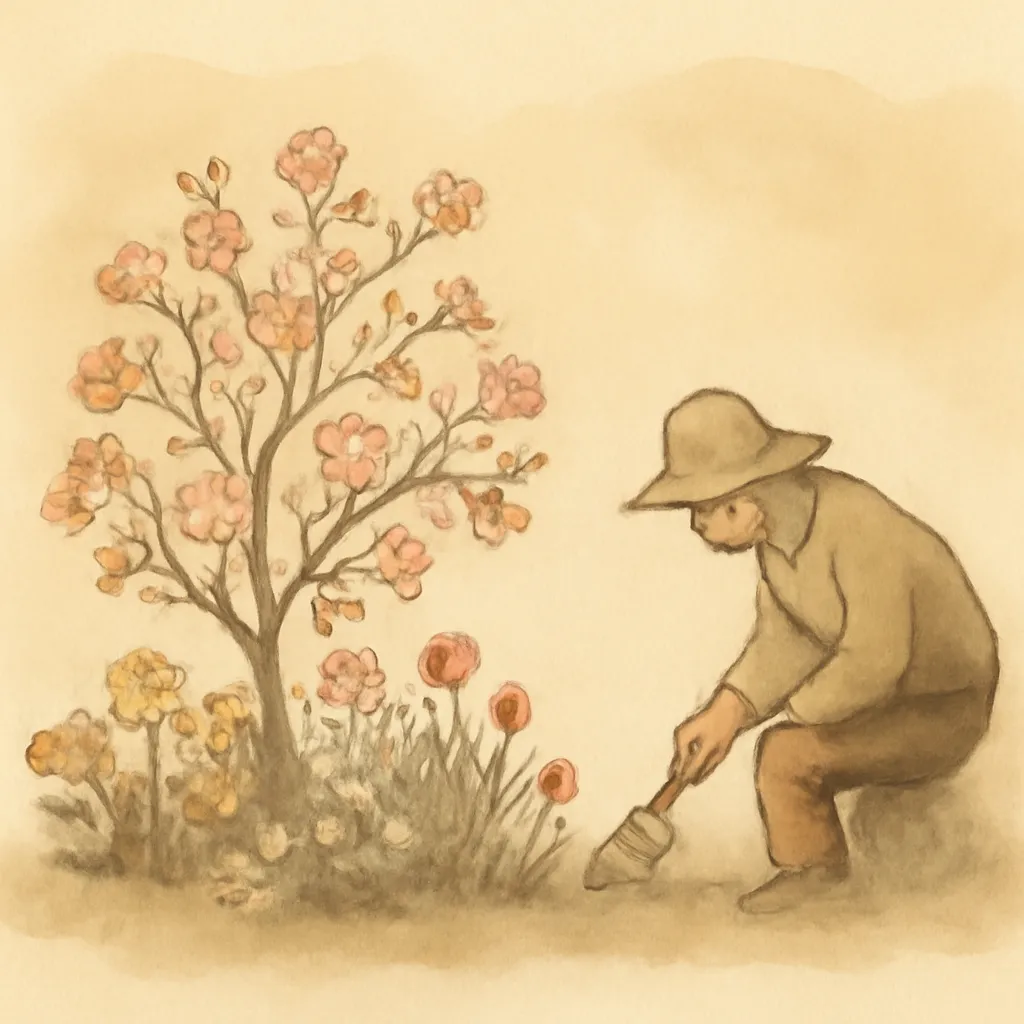
Seneca argues that virtue is not merely a means to an end but is, in fact, the highest good in itself. He posits that the pursuit of virtue leads to a deeper, more lasting form of happiness that transcends temporary pleasures. Just as a farmer may discover beauty in the flowers that bloom while tending to his crops, so too can individuals find joy in the practice of virtue itself. This perspective encourages a shift in mindset, where the focus is placed on the intrinsic value of virtuous actions rather than on external rewards. By embracing virtue for its own sake, individuals cultivate a sense of fulfillment that is immune to the whims of fortune.
4.The Role of Wisdom
Wisdom, according to Seneca, is integral to the pursuit of happiness. He emphasizes that wisdom enables individuals to discern what is truly valuable and to navigate life's challenges with grace. Unlike foolish individuals who may succumb to the allure of wealth and status, the wise recognize that these external markers are often fraught with instability. Seneca illustrates this point by contrasting the lives of the wise and the foolish, highlighting how the wise maintain their happiness irrespective of their material circumstances. By cultivating wisdom, individuals can foster resilience and a deeper appreciation for the present moment, ultimately leading to a more profound and enduring sense of happiness.
5.The Illusion of External Goods
Seneca critiques the common belief that happiness is tied to material wealth and external success. He argues that such possessions can often become burdens rather than sources of joy, leading individuals into a state of anxiety and dissatisfaction. The wise man, he asserts, understands that true contentment comes from within, not from the accumulation of riches. By shifting the focus from external goods to internal virtues, individuals can liberate themselves from the constant chase for more and instead cultivate a life of simplicity and peace. This understanding empowers individuals to find joy in their inner lives rather than relying on the unpredictable nature of external circumstances.
6.Understanding True Pleasure
While Seneca acknowledges that pleasure can accompany a virtuous life, he cautions against seeking pleasure as the primary goal. He differentiates between fleeting pleasures found in indulgence and the deeper satisfaction that arises from living a virtuous life. The latter, he argues, leads to a more stable and lasting form of happiness, while the former often results in a cycle of craving and disappointment. By reorienting one’s understanding of pleasure, individuals can learn to appreciate the joys that come from virtuous actions and meaningful relationships, rather than succumbing to the temporary highs of hedonism.
7.The Importance of Self-Reflection
Seneca emphasizes the significance of self-reflection in the pursuit of happiness. He encourages individuals to regularly examine their thoughts, actions, and motivations, fostering a deeper understanding of themselves and their values. This practice not only clarifies one’s path towards happiness but also helps to identify and eliminate vices that may hinder personal growth. By cultivating self-awareness, individuals can make more informed choices that align with their true desires and lead to a more fulfilling life. This introspective approach serves as a foundation for personal development and the cultivation of virtue.
8.Facing Adversity with Fortitude
Another vital aspect of Seneca's philosophy is the idea that adversity can serve as a teacher, helping individuals develop resilience and strength. He posits that challenges and hardships are inevitable parts of life, but it is how one responds to them that defines their character and happiness. By embracing difficulties and viewing them as opportunities for growth, individuals can cultivate a sense of fortitude that enriches their lives. This perspective encourages a proactive approach to life’s challenges, fostering a mindset that seeks to extract wisdom and virtue from every experience, regardless of its nature.
9.The Dangers of Complacency
Seneca warns against the dangers of complacency and the false sense of security that can arise from wealth and status. He argues that those who become too comfortable in their circumstances often neglect the cultivation of virtue, which is essential for true happiness. This complacency can lead to a gradual decline in moral character and a disconnection from one’s values. By remaining vigilant and committed to personal growth, individuals can avoid the pitfalls of complacency and continue to strive for a life of virtue and fulfillment. This ongoing commitment to self-improvement is crucial for maintaining a sense of purpose and joy.
10.Living in Accordance with Nature
Seneca advocates for living in harmony with nature, both in the external world and within oneself. He argues that understanding the natural order of things can lead to greater peace and contentment. By aligning one’s actions and desires with the principles of nature, individuals can cultivate a sense of balance and fulfillment. This perspective encourages respect for the natural rhythms of life and a recognition of the interconnectedness of all things. By embracing this philosophy, individuals can foster a deeper appreciation for life and its inherent beauty, leading to a more profound sense of happiness.