
In a world where secrets and identities intertwine, the quest for truth uncovers the dark complexities of human nature
Read full overviewShow less›
Set against the backdrop of a mysterious murder in a remote Scottish town, 'Simon' by J. Storer Clouston unravels the intricate web of relationships and hidden motives that shape the lives of its characters. Through the lens of the stoic Procurator Fiscal, Simon Rattar, and the enigmatic Miss Cicely Farmond, readers are drawn into a narrative filled with suspense and psychological depth. Clouston masterfully explores themes of identity, trust, and the moral dilemmas faced by individuals in the wake of tragedy. As the story unfolds, the tension mounts, challenging perceptions of guilt and innocence while revealing the profound impact of societal expectations. This gripping tale invites readers to ponder the complexities of human behavior and the lengths people will go to protect their secrets.
In 'Simon,' J. Storer Clouston weaves a rich tapestry of mystery, morality, and human complexity against the backdrop of a tragic murder. The characters’ journeys of self-discovery, the exploration of guilt, and the impact of societal expectations create a narrative that resonates deeply with readers. Through the lens of Simon Rattar and Cicely Farmond, Clouston invites us to reflect on our own identities and the choices we make in the face of adversity. As the story unfolds, the interplay of secrets and truths challenges us to consider the moral dilemmas inherent in our lives, ultimately reminding us that the quest for understanding is both a personal and universal journey.
- 1The Weight of Solitude
- 2Silent Simon: The Man Behind the Law
- 3The Quest for Identity
- 4The Complexity of Relationships
- 5The Role of the Law
Notable quotes
“The passenger in the last third class compartment but one, looking out of the window sombrely and intently, saw nothing now but desolate brown hills and a winding lonely river, very northern looking under the autumnal sky.”
“No man in that northern county was better known or more widely respected than Mr. Simon Rattar.”
“Because I must know! Because—well, because it is so unsatisfactory not knowing—for various reasons.”
A glimpse inside

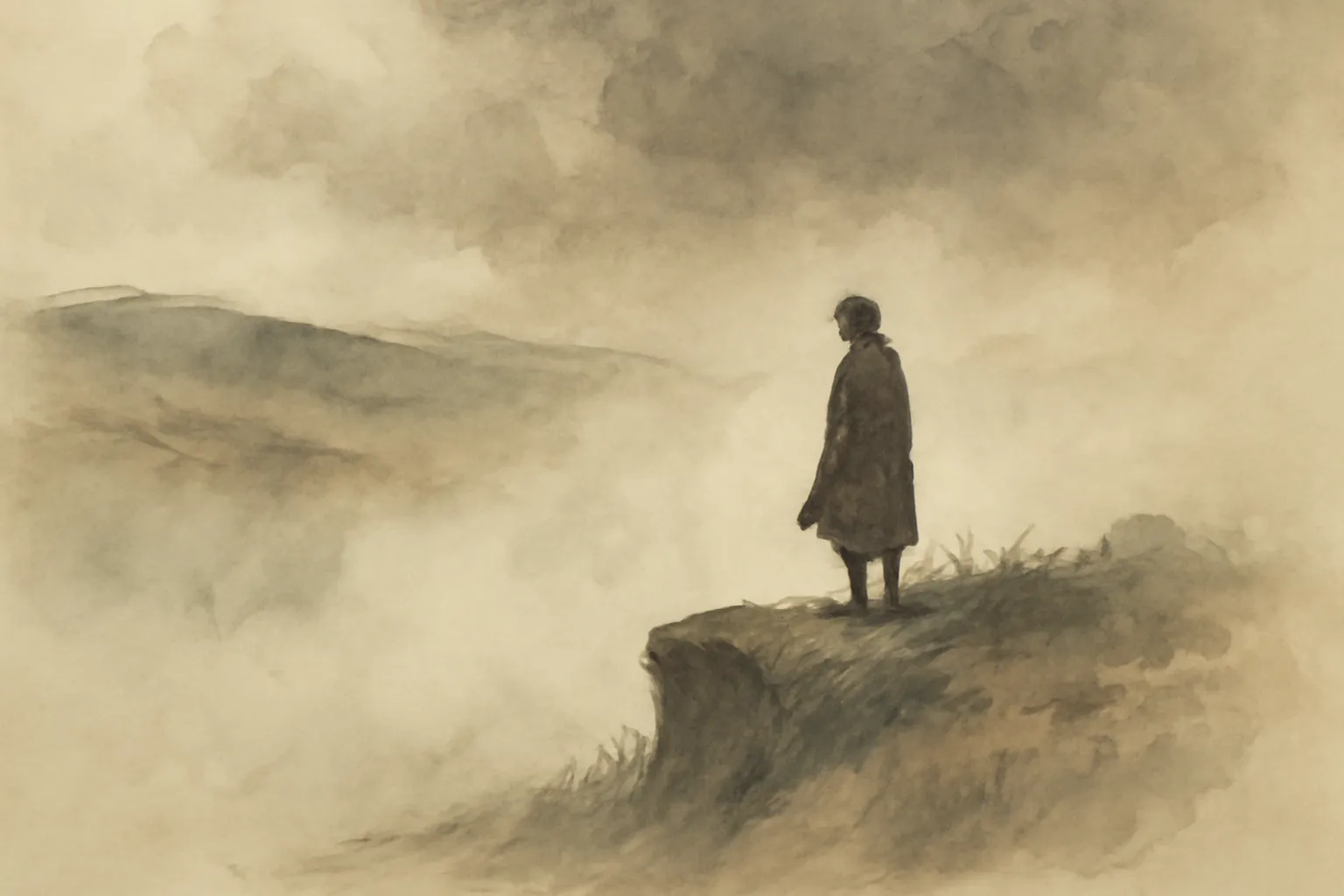
The novel opens with a solitary passenger on a train, embodying a deep inclination for isolation. This character's repeated choice to avoid companionship hints at a troub… Read moreThe novel opens with a solitary passenger on a train, embodying a deep inclination for isolation. This character's repeated choice to avoid companionship hints at a troubled past or hidden agenda. His actions, such as slipping into empty compartments and confessing to ticket inspectors without hesitation, emphasize a life led in secrecy. This theme of solitude resonates throughout the book, suggesting that isolation can be both a refuge and a prison. The passenger's journey through desolate landscapes mirrors the emotional terrain of the characters, setting the stage for the intricate exploration of loneliness and the human condition. The stark setting of the autumnal moors enhances this theme, reflecting the internal struggles of the characters, as the starkness of the environment parallels their emotional desolation. Clouston paints a vivid picture of the external world that amplifies the internal turmoil experienced by the passengers and the residents of the town. Show less
Simon Rattar, the Procurator Fiscal, is depicted as a man of habit and respectability, embodying the archetype of a stoic, unflappable lawyer. Read moreSimon Rattar, the Procurator Fiscal, is depicted as a man of habit and respectability, embodying the archetype of a stoic, unflappable lawyer. His meticulous nature and taciturn demeanor earn him the nickname 'Silent Simon,' a title that reflects both his professional reputation and personal disposition. Clouston portrays him as a figure of authority who operates within the rigid confines of societal expectations. Yet, beneath this facade lies a complexity that becomes increasingly apparent as the narrative unfolds. Rattar’s interactions with clients and his responses to the unfolding murder investigation reveal a man grappling with the moral implications of his role. He is caught between the demands of justice and the personal connections that complicate his understanding of right and wrong. This internal conflict is particularly highlighted during moments of investigation, where his professional detachment is tested by personal feelings towards the individuals involved. Clouston effectively uses Rattar's character to illustrate the challenges faced by those in positions of authority, prompting readers to ponder the burden of responsibility that accompanies such roles. Show less
Read the full text — free
About the author
J. Storer Clouston has 2 works free to read on Lumina, including The Prodigal Father
All 2 books by J. Storer Clouston →