
The Prodigal Father explores the transformative journey of a respected man who embraces a second chance at life, challenging societal norms and familial expectations
Read full overviewShow less›
In the heart of Edinburgh, the respectable life of Heriot Walkingshaw, a Writer to the Signet, is turned upside down when he begins to embrace a more liberated and youthful spirit. This narrative delves into themes of identity, family dynamics, and the societal pressures that dictate how one should live. As Heriot's life becomes an exhilarating contrast to the mundane expectations of his status, the story invites readers to reflect on the nature of happiness, fulfillment, and the courage it takes to break free from conformity. Through the eyes of his family—particularly his son, Andrew, and daughter, Jean—readers witness the collision of tradition and modernity, as well as the profound effects of Heriot's transformation on those around him. Ultimately, the novel presents a compelling examination of the complexities of fatherhood, love, and the search for personal freedom.
The Prodigal Father presents a rich tapestry of themes that resonate with the complexities of modern life, particularly the tension between societal expectations and personal fulfillment. Through the journey of Heriot Walkingshaw, the narrative challenges readers to reflect on their own lives, the roles they play within their families, and the courage it takes to embrace change. The story underscores the importance of authenticity, connection, and the transformative power of love and creativity. Ultimately, it serves as a reminder that the pursuit of happiness is a universal journey, one that transcends age, tradition, and societal norms, urging us all to live fully and authentically.
- 1The Weight of Respectability
- 2A Sudden Turn of Fate
- 3The Rejuvenation of a Father
- 4Cultural and Generational Conflicts
- 5The Role of Women in Transformation
Notable quotes
“Of Walkingshaw and Gilliflower—that's the thing that fair takes my breath away!”
“But think of letting him loose to make a public exhibition of himself! It's an awfu' end to a respected career—in fact, it's positively discouraging.”
“It's very good of you to stay in.”
A glimpse inside

Heriot Walkingshaw epitomizes the weight of respectability, a burden that comes with his esteemed position in society. As a Writer to the Signet, he has spent nearly fift… Read moreHeriot Walkingshaw epitomizes the weight of respectability, a burden that comes with his esteemed position in society. As a Writer to the Signet, he has spent nearly fifty years serving respectable clients, embodying the ideals of prudence and piety instilled in him since childhood. His life is meticulously structured around the expectations of his profession and the social norms that govern his behavior. This respectability is not merely a social expectation but a defining aspect of his identity. However, the narrative reveals how this very respectability constrains him, leading to a life devoid of spontaneity and joy. The initial conversations among his fellow citizens about his potential downfall encapsulate the rigid structures of societal judgment that hang over him. The struggle between maintaining a respectable facade and pursuing personal happiness becomes a central theme, prompting readers to consider the sacrifices individuals make for societal approval. The novel thus critiques the hypocrisy of a society that prizes status over genuine fulfillment, illustrating the internal conflict experienced by those who feel compelled to conform. Show less
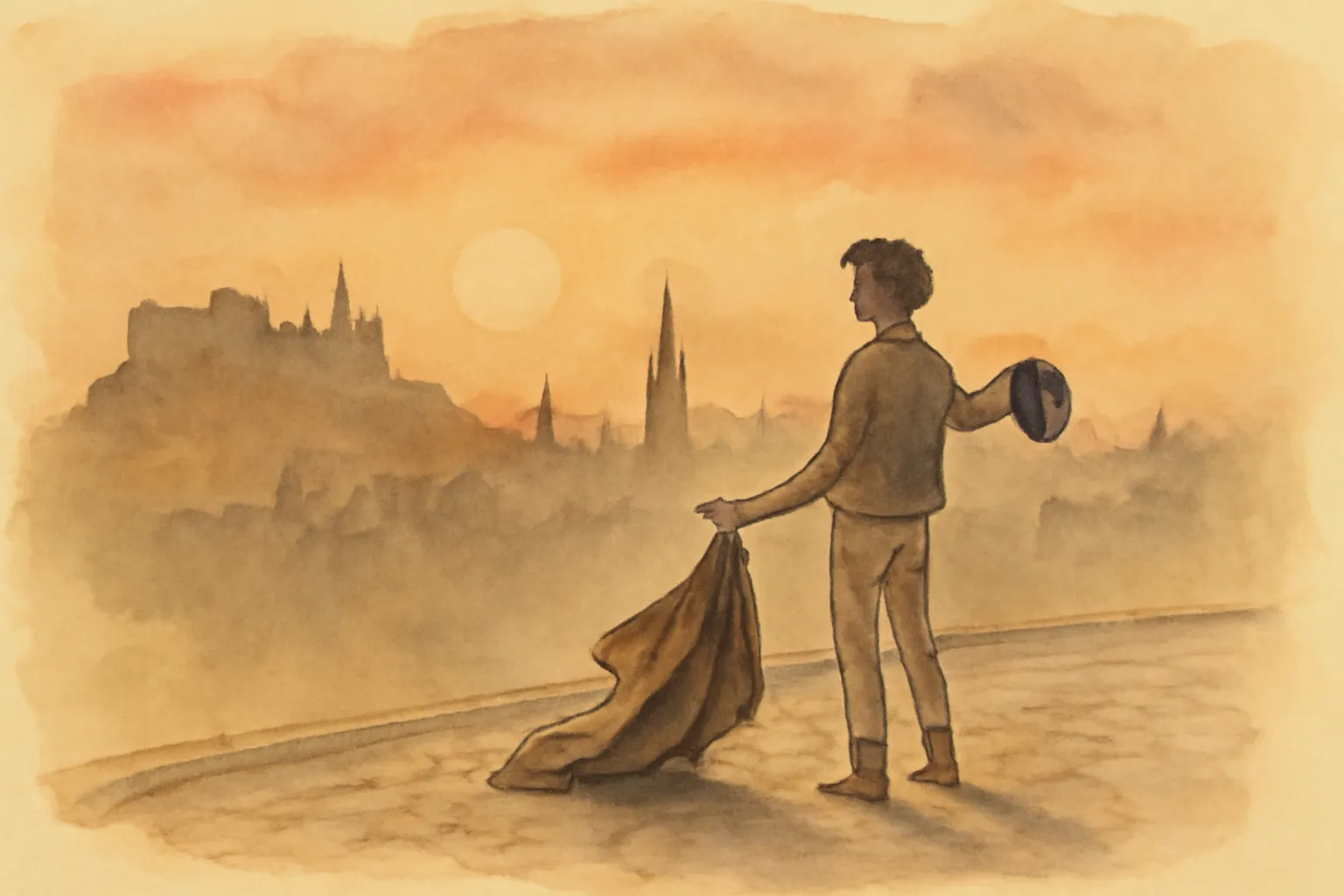
The story takes a dramatic turn when Heriot's seemingly stable life is disrupted, leading to a moment of personal reckoning. Read moreThe story takes a dramatic turn when Heriot's seemingly stable life is disrupted, leading to a moment of personal reckoning. This shift begins with a humorous yet poignant scene involving his hat, which becomes a metaphor for the unpredictability of life. Chasing after it symbolizes his struggle to regain control over his circumstances, illustrating how a single event can catalyze a profound transformation. This moment serves as a wake-up call, pushing Heriot to reconsider his life choices and the path he has followed. The juxtaposition of his dignified status and the comical chaos of the hat chase highlights the absurdity of his situation, inviting readers to reflect on the nature of dignity and the importance of embracing life's unpredictable moments. In essence, this shift represents a broader commentary on how individuals often cling to the familiar, only to find themselves in situations that compel them to confront the absurdities of their lives. Show less
Read the full text — free
About the author
J. Storer Clouston has 2 works free to read on Lumina, including Simon
All 2 books by J. Storer Clouston →