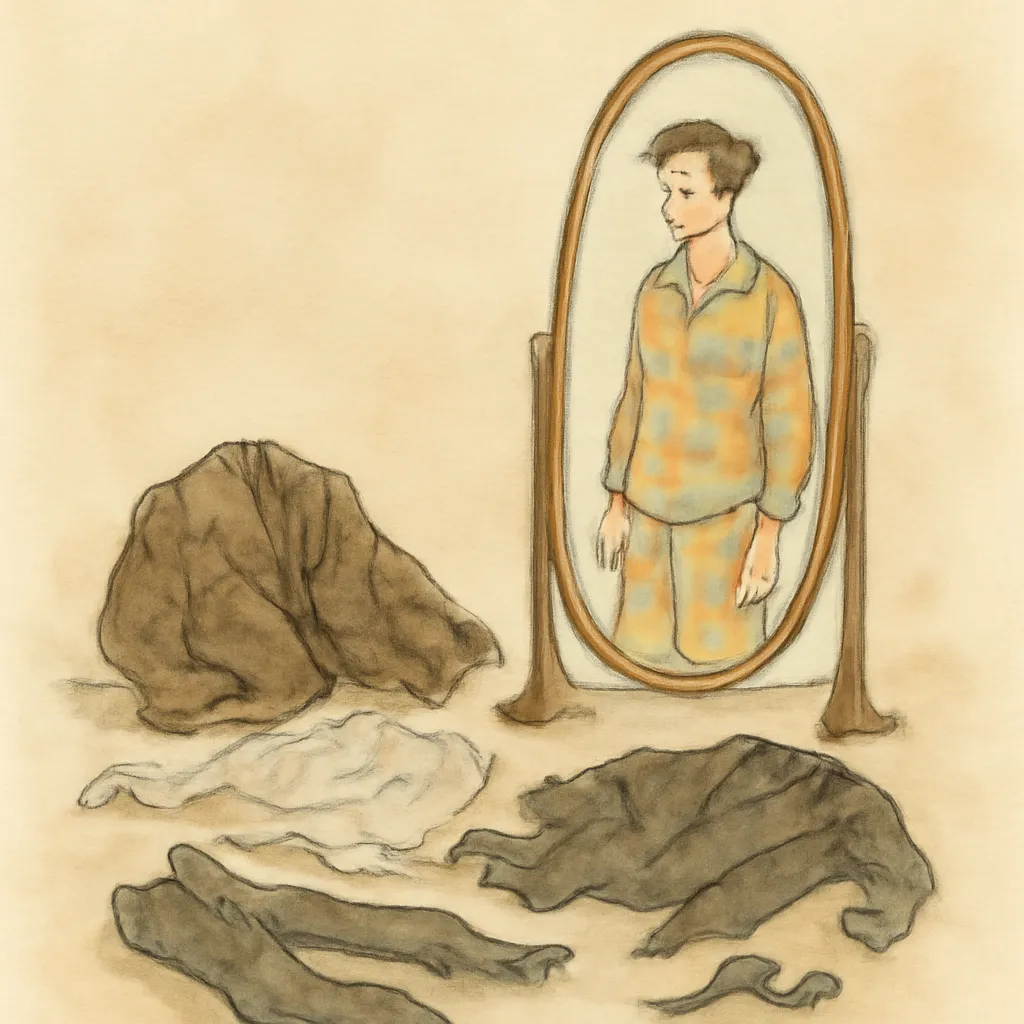
1.The Weight of Respectability

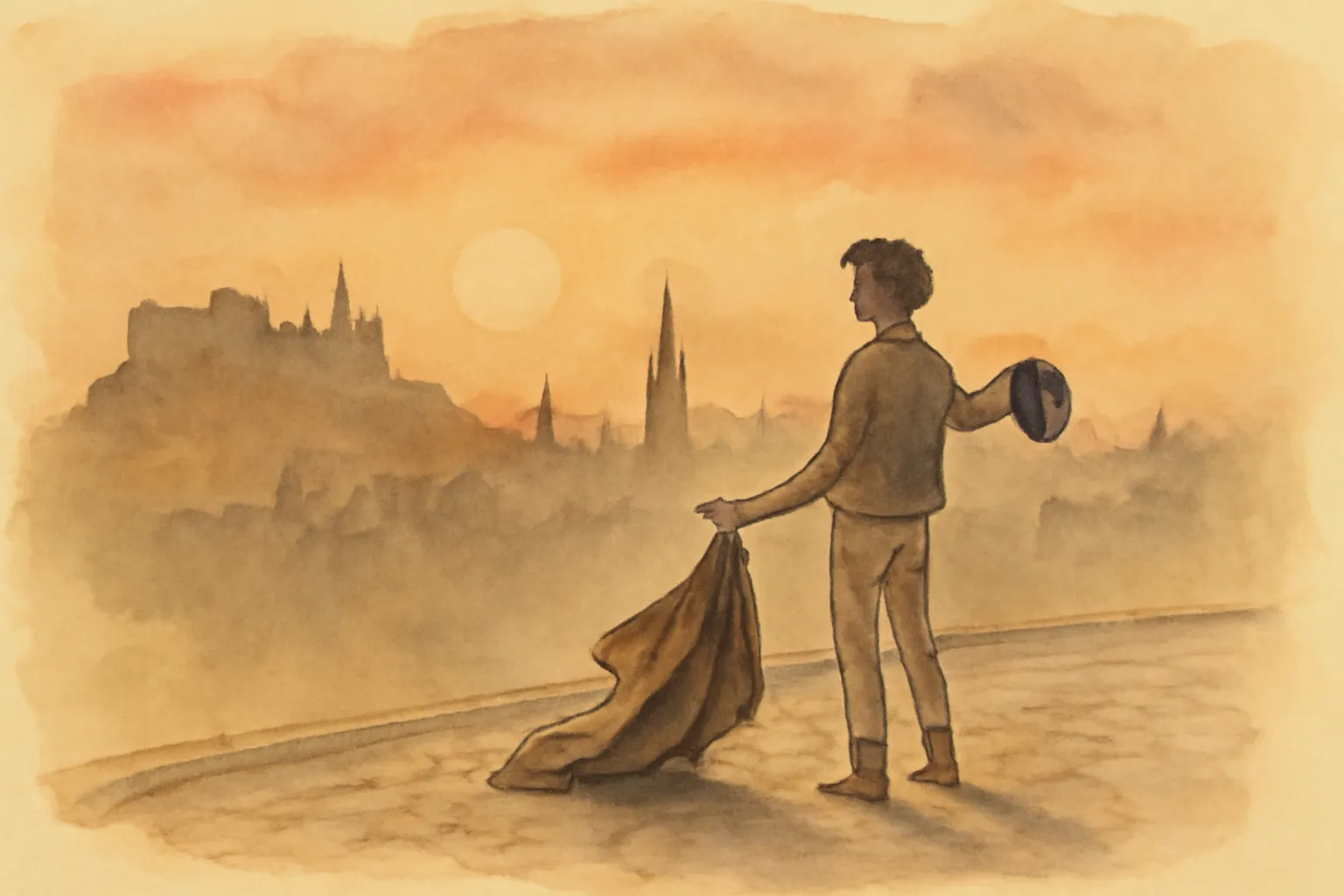
Heriot Walkingshaw epitomizes the weight of respectability, a burden that comes with his esteemed position in society. As a Writer to the Signet, he has spent nearly fifty years serving respectable clients, embodying the ideals of prudence and piety instilled in him since childhood. His life is meticulously structured around the expectations of his profession and the social norms that govern his behavior. This respectability is not merely a social expectation but a defining aspect of his identity. However, the narrative reveals how this very respectability constrains him, leading to a life devoid of spontaneity and joy. The initial conversations among his fellow citizens about his potential downfall encapsulate the rigid structures of societal judgment that hang over him. The struggle between maintaining a respectable facade and pursuing personal happiness becomes a central theme, prompting readers to consider the sacrifices individuals make for societal approval. The novel thus critiques the hypocrisy of a society that prizes status over genuine fulfillment, illustrating the internal conflict experienced by those who feel compelled to conform.
2.A Sudden Turn of Fate
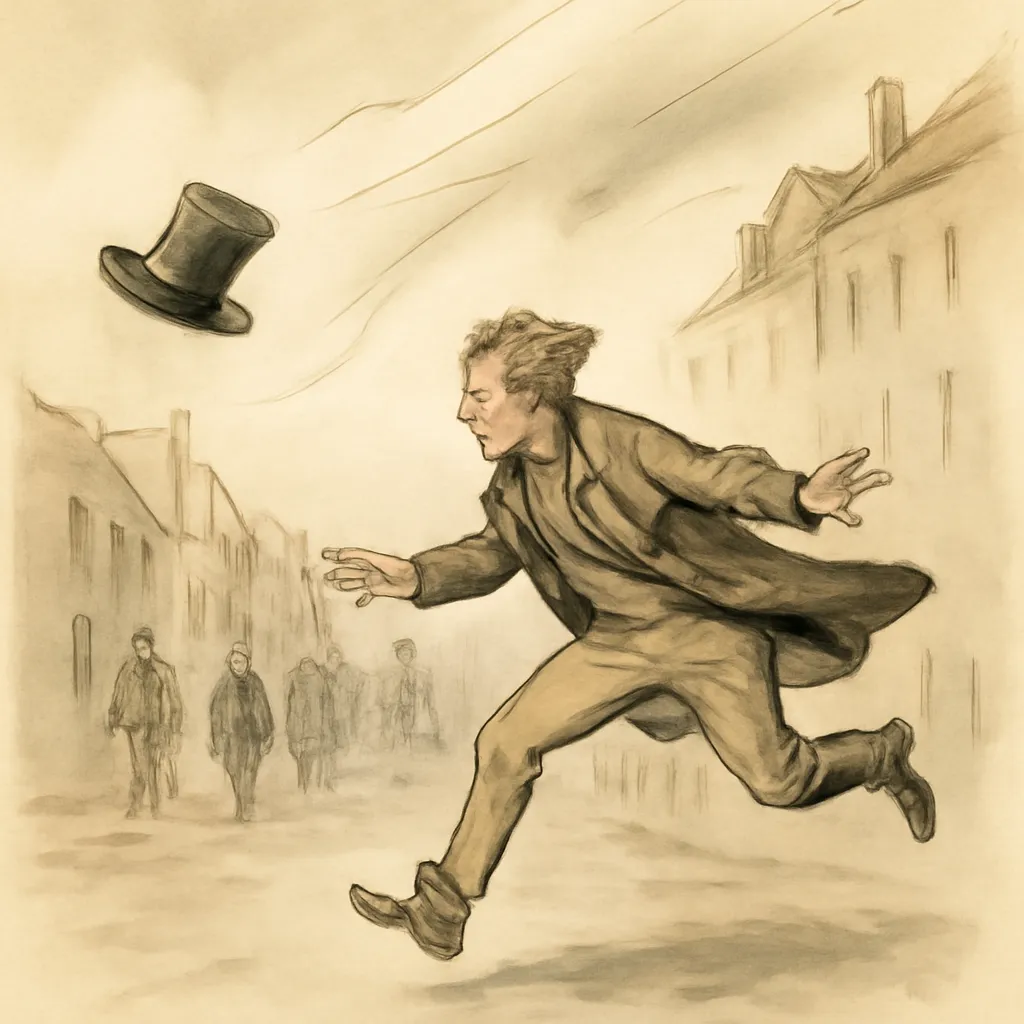
The story takes a dramatic turn when Heriot's seemingly stable life is disrupted, leading to a moment of personal reckoning. This shift begins with a humorous yet poignant scene involving his hat, which becomes a metaphor for the unpredictability of life. Chasing after it symbolizes his struggle to regain control over his circumstances, illustrating how a single event can catalyze a profound transformation. This moment serves as a wake-up call, pushing Heriot to reconsider his life choices and the path he has followed. The juxtaposition of his dignified status and the comical chaos of the hat chase highlights the absurdity of his situation, inviting readers to reflect on the nature of dignity and the importance of embracing life's unpredictable moments. In essence, this shift represents a broader commentary on how individuals often cling to the familiar, only to find themselves in situations that compel them to confront the absurdities of their lives.
3.The Rejuvenation of a Father
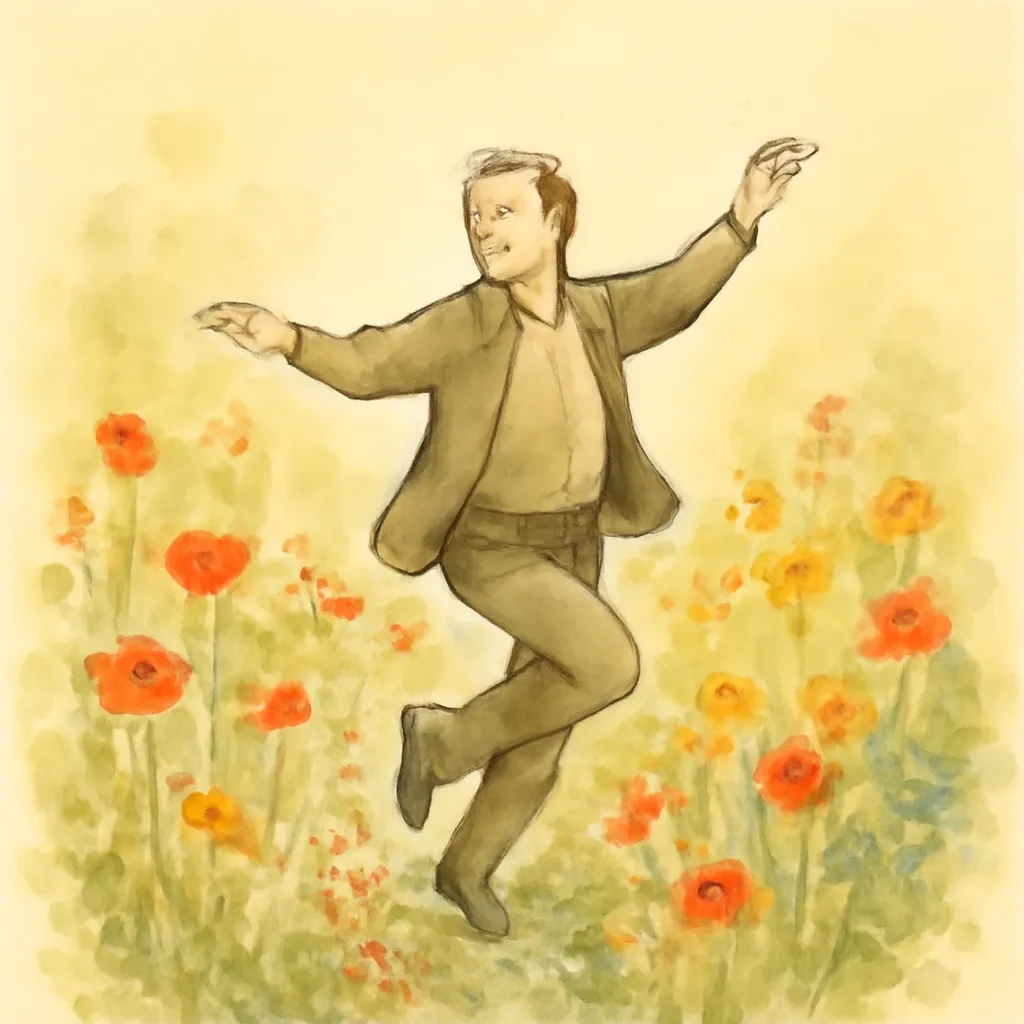
As Heriot begins to embrace a more youthful and bohemian lifestyle, his transformation becomes a source of both admiration and concern for his family. This rejuvenation is not merely physical; it represents a deeper awakening to life’s possibilities. His newfound zeal for living challenges the expectations of his children, particularly Andrew, who struggles to reconcile this vibrant version of his father with the respectable figure he has always known. The narrative explores the conflicting emotions that arise within the family—pride, embarrassment, and a sense of loss—highlighting the complexities of familial relationships. Heriot's rebirth serves as a catalyst for his children to confront their own lives and the constraints they impose upon themselves, encouraging a broader dialogue about generational differences and the pursuit of happiness. Moreover, the dynamic of family relationships is scrutinized as the children come to terms with their father’s transformation, leading to moments of introspection that reveal their own fears and desires.
4.Cultural and Generational Conflicts
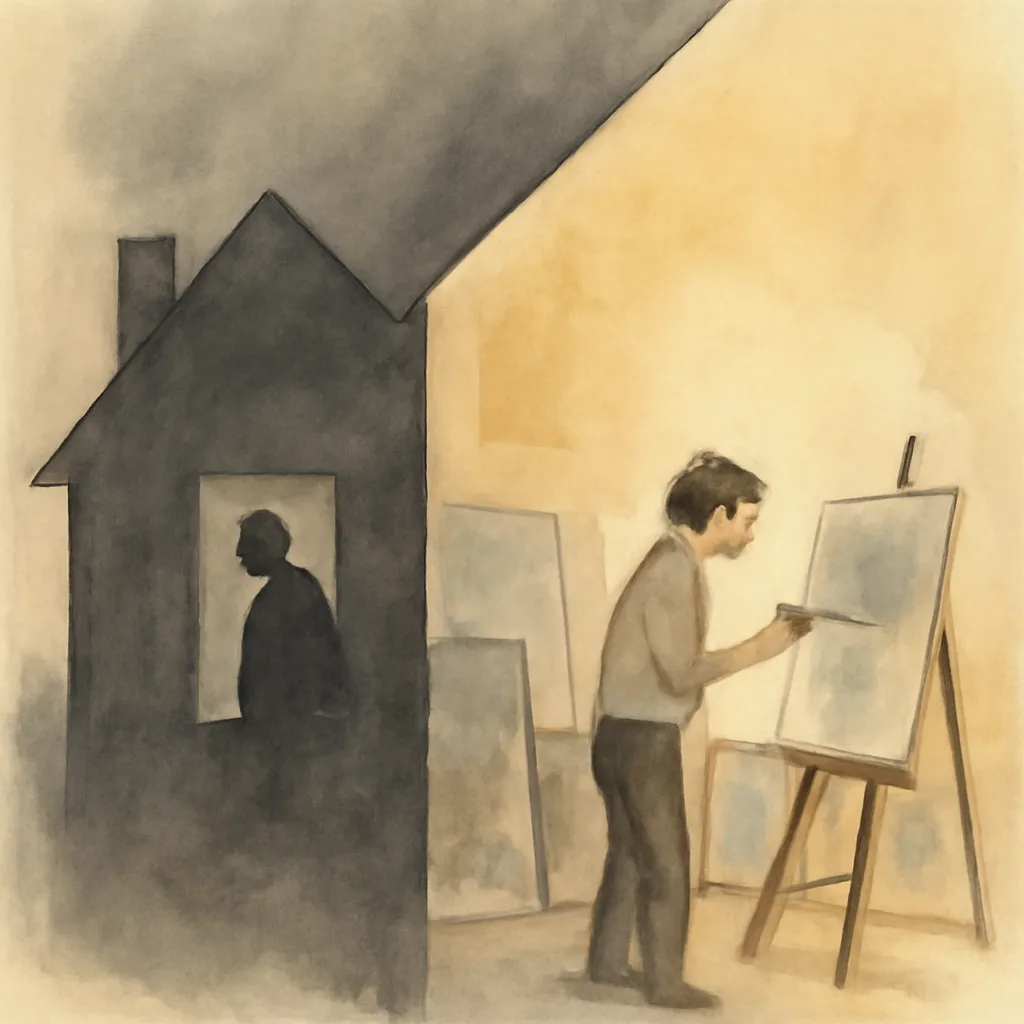
The clash between Heriot's burgeoning freedom and Andrew's adherence to tradition underscores a significant cultural and generational conflict. Andrew embodies the societal expectations that dictate a respectable life, reflecting the pressures faced by those who prioritize duty over desire. His attempts to rein in his father's exuberance reveal his own insecurities and the weight of expectation he carries. This dynamic illustrates how the younger generation often feels the need to uphold the values of their predecessors while grappling with their own desires for autonomy and self-expression. The tension between Andrew and Heriot becomes a microcosm of the struggle many families face as they navigate the evolving landscape of societal norms. Andrew's journey reveals the difficulty of balancing personal aspirations with familial responsibilities, ultimately prompting readers to consider the complex interplay of love, obligation, and the desire for individuality within family structures.
5.The Role of Women in Transformation

Jean Walkingshaw plays a pivotal role in the narrative, representing the complexities of female identity within a patriarchal society. While her father embarks on a journey of self-discovery, Jean grapples with her own desires, aspirations, and the societal expectations placed upon her as a woman. Her interactions with Lucas Vernon, an artist who challenges the status quo, open her eyes to new possibilities and the idea of love as a transformative force. This relationship catalyzes her own journey of self-exploration, encouraging her to assert her independence and challenge the constraints imposed by her family and society. The novel highlights the importance of female agency and the ways in which women navigate their identities amidst the constraints of societal norms. Jean's evolution mirrors that of her father, as she learns to navigate her emotions and desires, ultimately embodying the theme of personal liberation and the power of self-definition for women.
6.The Power of Art and Creativity
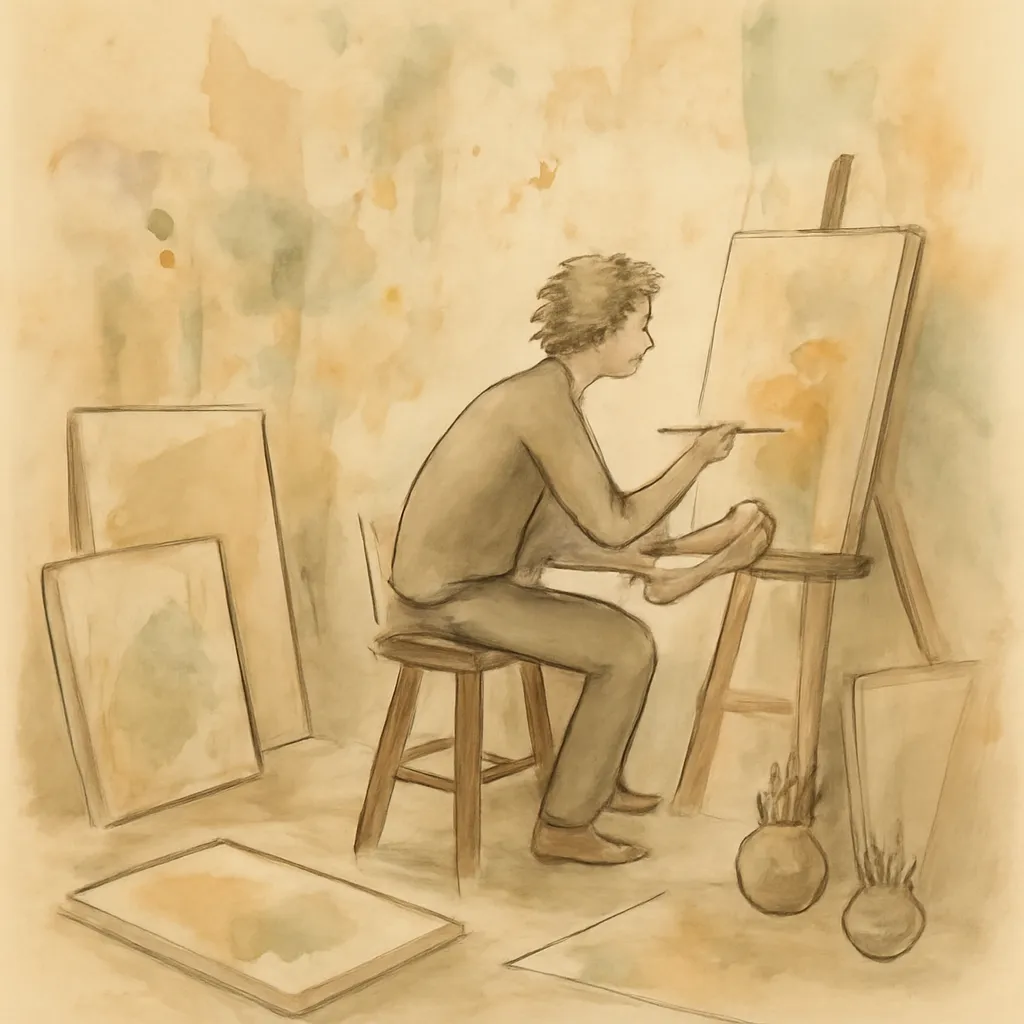
Lucas Vernon, as an artist, serves as a catalyst for both Jean and Heriot, representing the power of art and creativity to inspire change. His free-spirited nature and passion for life contrast sharply with the rigidity of the Walkingshaw family's expectations. Lucas challenges the conventional views of success and happiness, prompting Heriot to reconsider his own life choices. The narrative emphasizes how art can serve as a means of expression and liberation, allowing individuals to explore their identities beyond societal constraints. Through Lucas's influence, both Jean and Heriot begin to embrace their true selves, illustrating the transformative power of creativity and the importance of pursuing one's passion as a pathway to fulfillment. The story also reflects on the societal perception of artists as outsiders, allowing for a rich exploration of the themes of marginalization and the role of art in challenging the status quo.
7.Confronting Mortality and Legacy
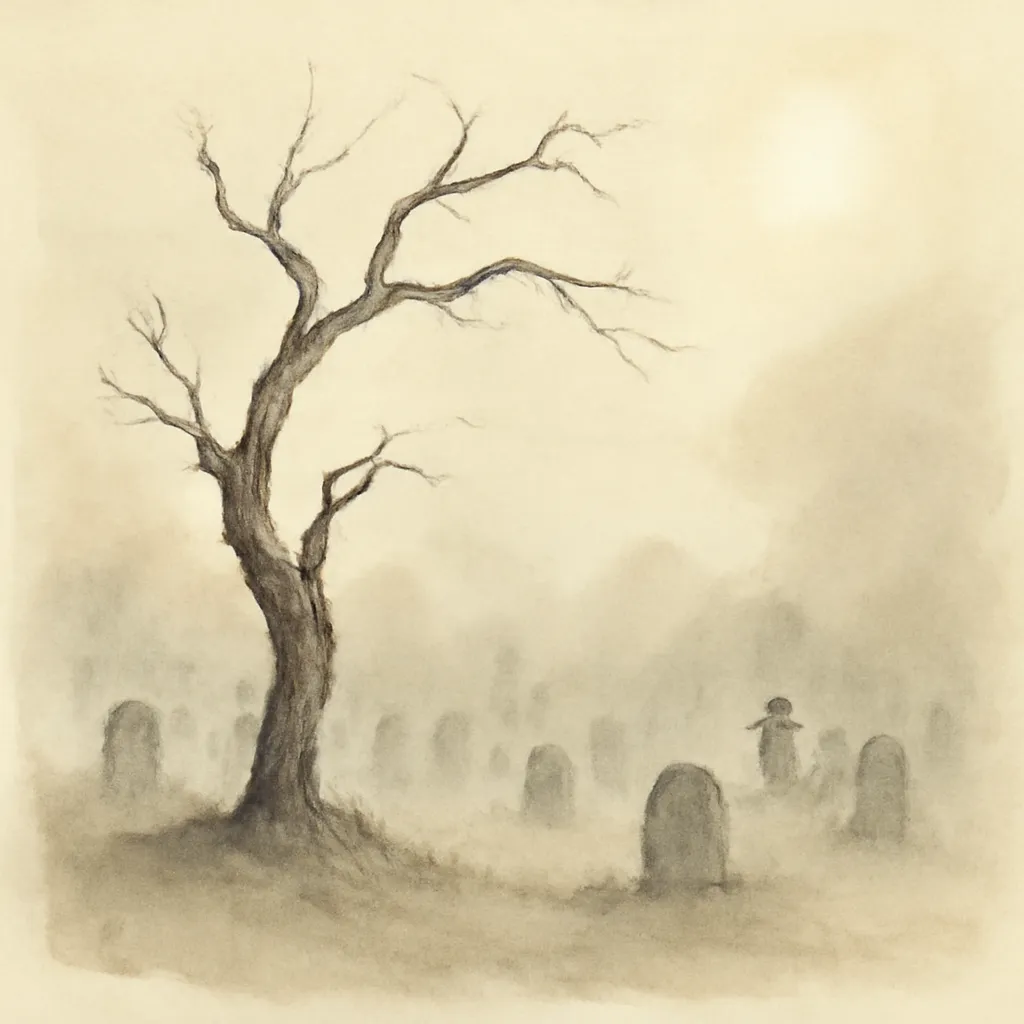
As Heriot's health becomes a concern, the narrative delves into themes of mortality and the legacy one leaves behind. His illness serves as a poignant reminder of the fragility of life and the importance of living authentically. The fear of death prompts Heriot to reflect on his past choices and the way he has lived, leading him to embrace a more vibrant existence. This confrontation with mortality also influences his relationships with his children, as they grapple with their own fears and aspirations. The exploration of legacy encourages readers to consider what it means to leave behind a meaningful impact and the importance of living a life true to oneself, rather than conforming to societal expectations. Heriot’s journey becomes not just about rediscovering himself, but also about understanding the implications of his life choices on his family and the legacy he wishes to create for future generations.
8.The Complexity of Fatherhood
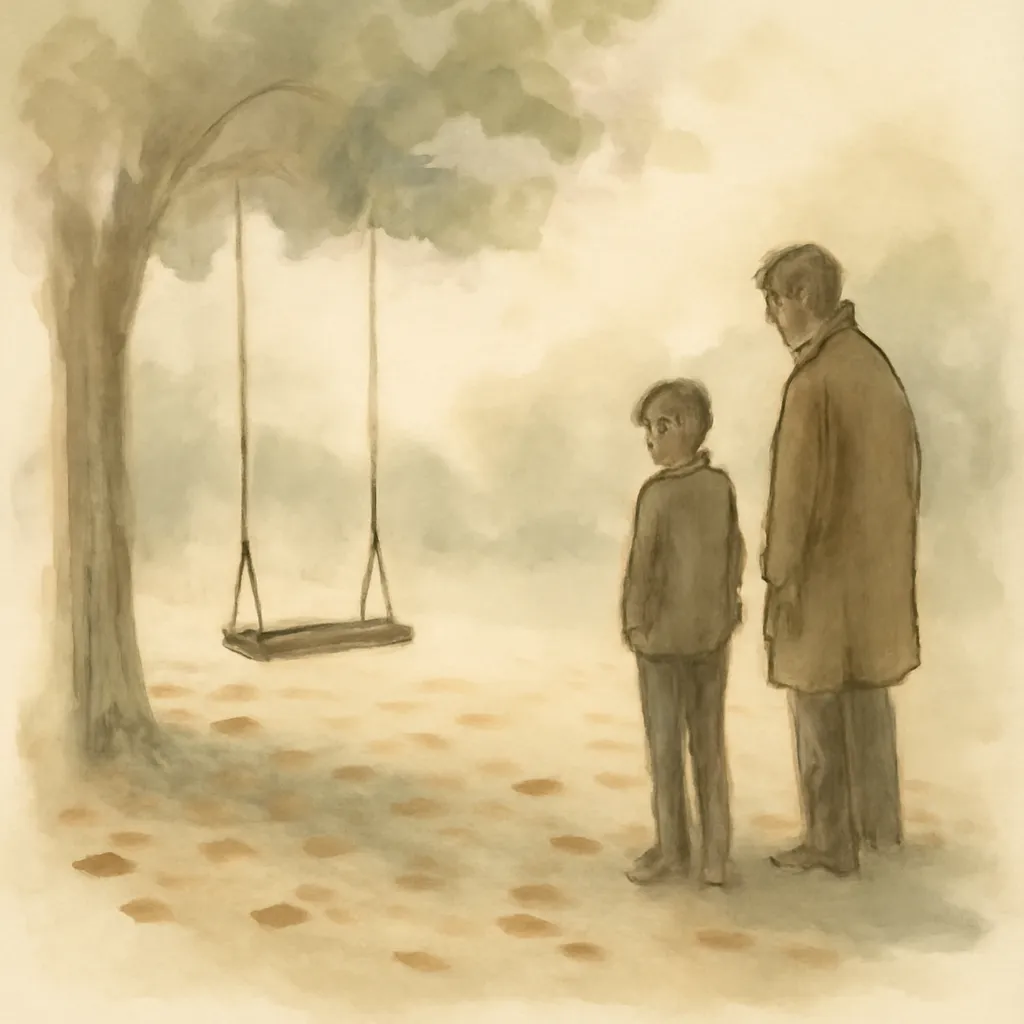
The relationship between Heriot and his children serves as a profound exploration of fatherhood, examining the complexities of love, expectation, and disappointment. Andrew's struggle to accept his father's transformation reflects the broader challenges many face in their relationships with parents. The narrative illustrates how parental expectations can shape one's identity and the emotional toll that can arise from unmet aspirations. Heriot's journey of self-discovery prompts Andrew to confront his own feelings of inadequacy and the weight of expectation he carries. The evolution of their relationship emphasizes the need for open communication and understanding as both father and son navigate their changing dynamics, ultimately leading to a deeper bond built on mutual respect and acceptance. This exploration also raises important questions about the nature of love in familial relationships, and how it can be both a source of strength and a point of contention.
9.The Journey to Self-Acceptance
Heriot's journey is ultimately one of self-acceptance, as he learns to embrace his true self and reject the confines of societal expectations. This transformation is marked by moments of joy, humor, and vulnerability, allowing him to reconnect with the essence of who he is. The narrative encourages readers to reflect on their own journeys of self-discovery and the importance of embracing one's individuality. Heriot's evolution serves as a powerful reminder that it is never too late to pursue happiness and authenticity. The story celebrates the courage it takes to break free from conformity and the transformative power of self-acceptance in fostering genuine connections with oneself and others. This journey resonates with anyone who has ever felt constrained by societal norms, illustrating the profound impact of living authentically.