1.The Weight of Solitude
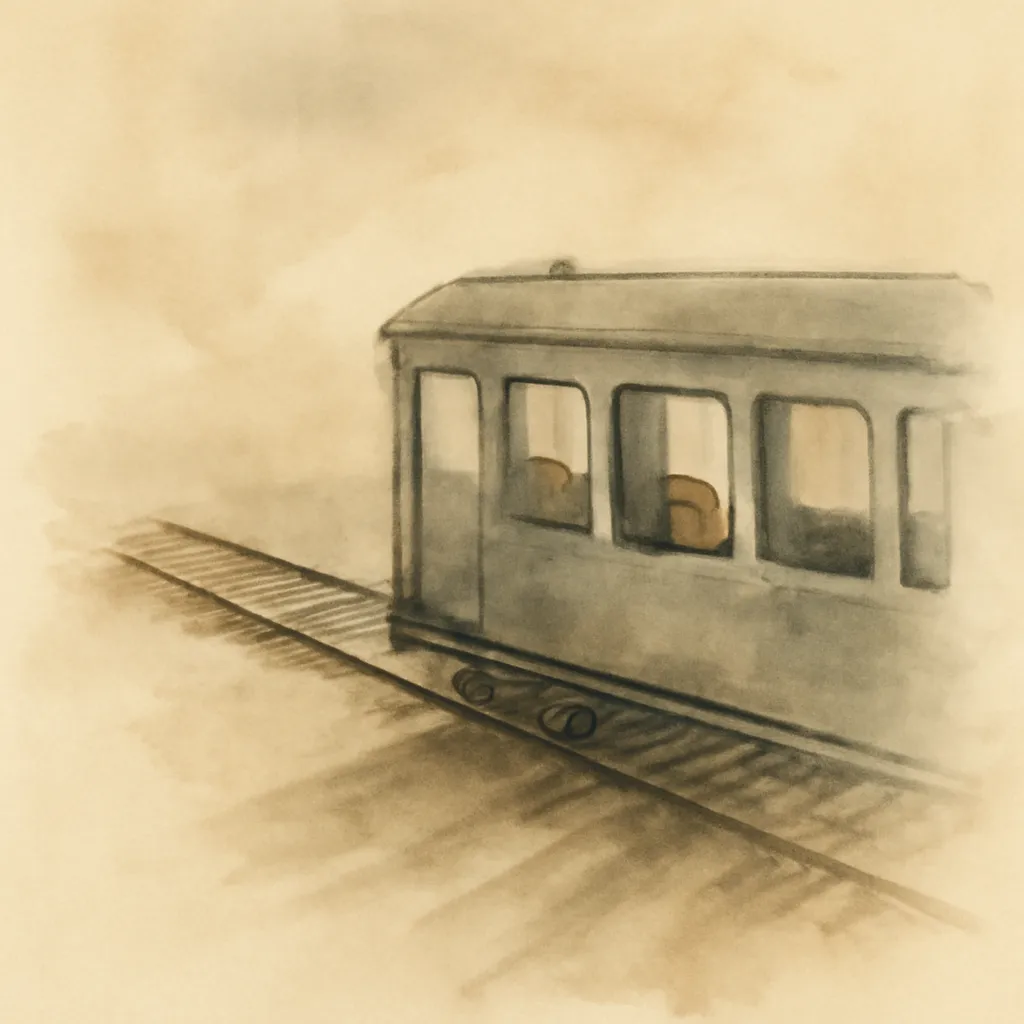
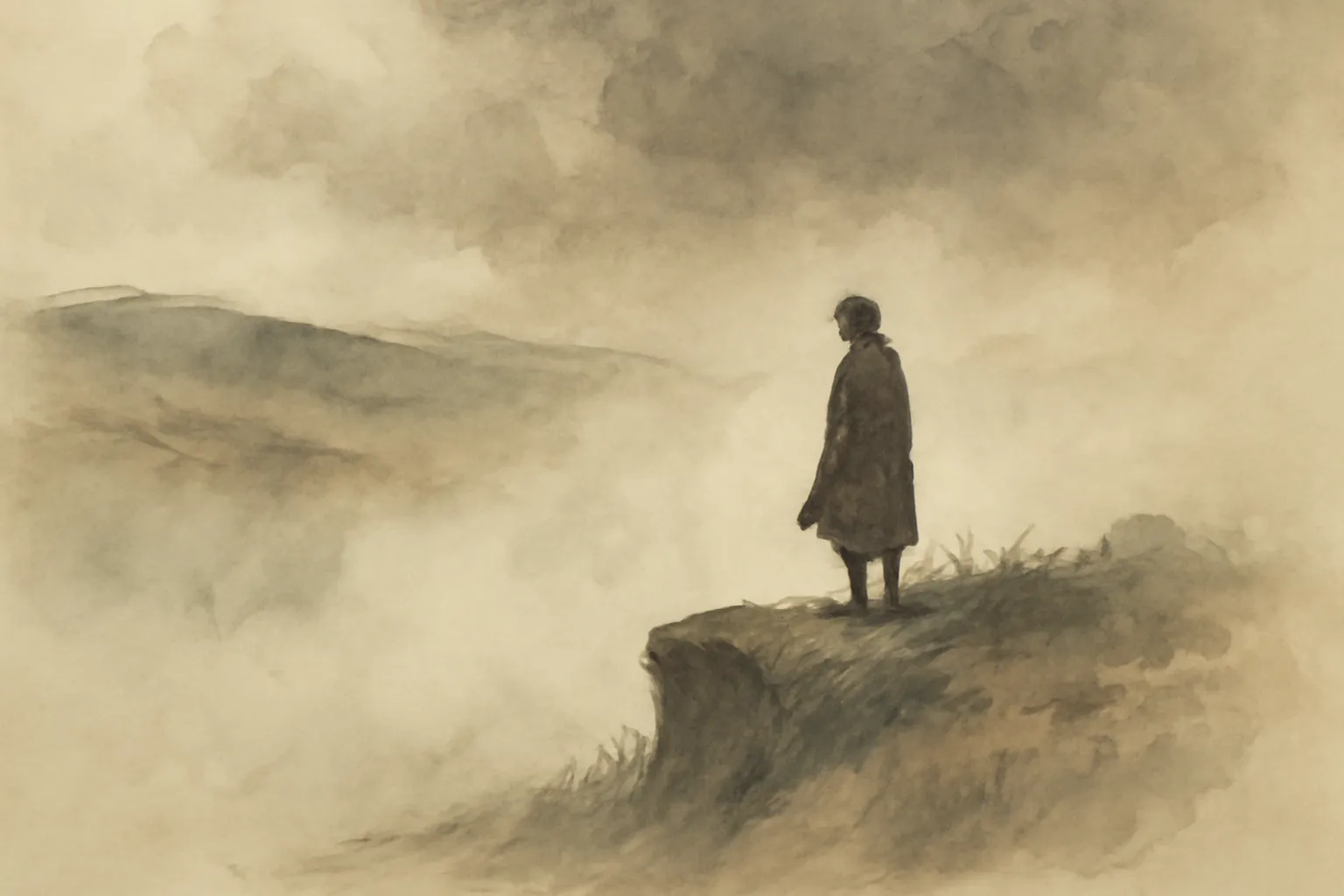
The novel opens with a solitary passenger on a train, embodying a deep inclination for isolation. This character's repeated choice to avoid companionship hints at a troubled past or hidden agenda. His actions, such as slipping into empty compartments and confessing to ticket inspectors without hesitation, emphasize a life led in secrecy. This theme of solitude resonates throughout the book, suggesting that isolation can be both a refuge and a prison. The passenger's journey through desolate landscapes mirrors the emotional terrain of the characters, setting the stage for the intricate exploration of loneliness and the human condition. The stark setting of the autumnal moors enhances this theme, reflecting the internal struggles of the characters, as the starkness of the environment parallels their emotional desolation. Clouston paints a vivid picture of the external world that amplifies the internal turmoil experienced by the passengers and the residents of the town.
2.Silent Simon: The Man Behind the Law

Simon Rattar, the Procurator Fiscal, is depicted as a man of habit and respectability, embodying the archetype of a stoic, unflappable lawyer. His meticulous nature and taciturn demeanor earn him the nickname 'Silent Simon,' a title that reflects both his professional reputation and personal disposition. Clouston portrays him as a figure of authority who operates within the rigid confines of societal expectations. Yet, beneath this facade lies a complexity that becomes increasingly apparent as the narrative unfolds. Rattar’s interactions with clients and his responses to the unfolding murder investigation reveal a man grappling with the moral implications of his role. He is caught between the demands of justice and the personal connections that complicate his understanding of right and wrong. This internal conflict is particularly highlighted during moments of investigation, where his professional detachment is tested by personal feelings towards the individuals involved. Clouston effectively uses Rattar's character to illustrate the challenges faced by those in positions of authority, prompting readers to ponder the burden of responsibility that accompanies such roles.
3.The Quest for Identity
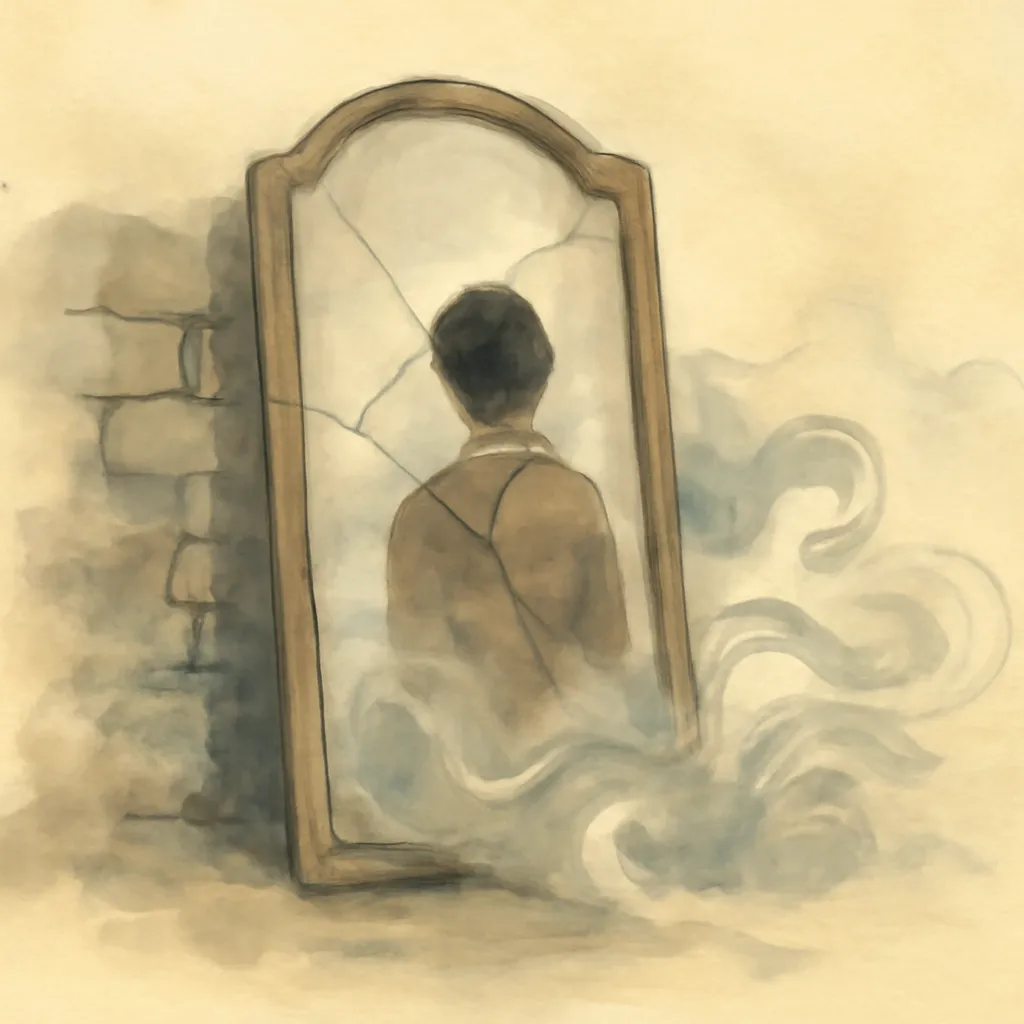
Miss Cicely Farmond's determination to uncover her own identity serves as a pivotal plot point that intertwines with the overarching mystery. Her insistence on knowing who she is reflects a broader theme of self-discovery amidst chaos. Clouston deftly illustrates how identity can be obscured by societal roles and expectations, particularly for women in the early 20th century. Cicely's interactions with Simon highlight the tension between personal desire and the constraints imposed by social norms. As she navigates her quest for truth, readers are reminded of the universal struggle for self-identity and the courage required to confront one’s past. Her journey is not just about uncovering her lineage, but also about asserting her place in a world that often seeks to define her by her relationships to men. Clouston uses Cicely’s search for identity to challenge the traditional notions of femininity and autonomy, making her a relatable and empowered character in a narrative that explores complex gender dynamics.
4.The Complexity of Relationships

The relationships among the characters are fraught with tension and unspoken truths, providing a rich tapestry of interactions that drive the narrative forward. Clouston explores the nuances of friendship, loyalty, and betrayal, particularly through the dynamics between Cicely, Simon, and Sir Malcolm Cromarty. Their intertwined lives reveal how personal histories can complicate present circumstances, especially in light of the murder that looms over them. Clouston captures the fragility of trust as characters grapple with their feelings toward one another, questioning motives and allegiances. This exploration of relationships emphasizes the idea that understanding others requires delving into their pasts and acknowledging the shadows that shape their actions. The author skillfully reveals how these connections can both support and undermine individuals, illustrating the delicate balance between intimacy and suspicion. As the investigation progresses, the strain on these relationships becomes palpable, forcing characters to confront not only their pasts but also the truths they have been avoiding.
5.The Role of the Law
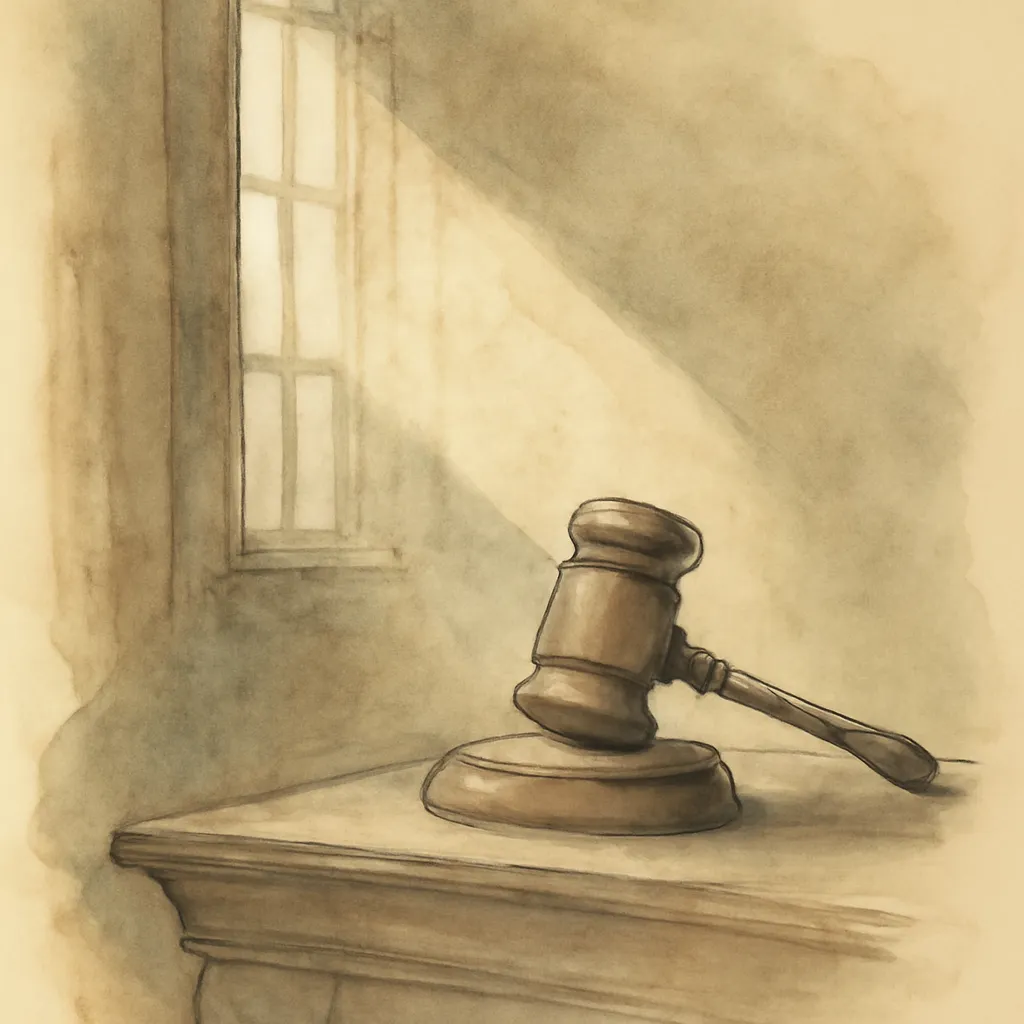
Rattar's position as Procurator Fiscal places him at the heart of the legal system, a role that comes with both authority and moral responsibility. Clouston examines the intricacies of law and justice, particularly how they intersect with personal morals. Rattar's unwavering commitment to his duties contrasts sharply with the emotional turmoil surrounding the murder investigation. The narrative poses challenging questions about the nature of justice: Can the law truly serve justice when human emotions and relationships are at play? Rattar's struggle to maintain objectivity in the face of personal connections underscores the complexities of legal ethics, making readers ponder the true meaning of justice. Clouston uses Rattar's character to engage with broader societal questions regarding the effectiveness of the legal system in dealing with the nuances of human behavior. As Rattar navigates the investigation, he becomes a symbol of the law's limitations, forcing readers to consider whether true justice can ever be achieved when it is filtered through the lens of flawed human experience.
6.The Nature of Guilt

As the investigation unfolds, the theme of guilt permeates the narrative, raising questions about culpability and moral ambiguity. Clouston skillfully reveals that guilt can be both a personal burden and a societal construct, complicating the characters' understanding of right and wrong. The specter of Sir Reginald's murder casts a long shadow over the community, leading to whispers and rumors that further complicate the characters' lives. The author deftly portrays how guilt manifests in various forms, from the overt to the subtle, influencing characters' actions and decisions. This exploration of guilt invites readers to consider the weight of their own choices and the ethical dilemmas they may face. Clouston highlights the idea that guilt can be inherited or shared, as characters grapple with their complicity in the tragedy that has befallen the community. This theme serves to deepen the psychological complexity of the narrative, as characters wrestle with their own culpability while trying to navigate the expectations of those around them.
7.The Influence of Secrets

Secrets play a crucial role in shaping the narrative, driving the characters' motivations and interactions. Clouston illustrates how the burden of hidden truths can fracture relationships and lead to unforeseen consequences. Rattar's own secrets, intertwined with those of Cicely and Malcolm, create a complex web of intrigue that propels the story forward. The author suggests that secrets have the power to isolate individuals, as seen in Rattar's solitary existence and Cicely's quest for identity. Yet, as the characters confront their secrets, they also discover the potential for redemption and understanding. Clouston’s portrayal of secrets emphasizes their dual nature as both a source of conflict and a catalyst for personal growth, allowing characters to evolve as they face the truths they have long hidden. The unraveling of each character's secret adds layers of complexity to the narrative, prompting readers to reflect on the cost of concealment and the liberation that can come from honesty.
8.The Psychological Impact of Tragedy

Clouston masterfully explores the psychological ramifications of tragedy on individuals and communities. The murder of Sir Reginald serves as a catalyst for emotional upheaval, forcing characters to confront their fears, regrets, and desires. The author delves into how trauma can alter perceptions of self and others, leading to a reevaluation of priorities and relationships. Rattar's stoicism is challenged by the chaos surrounding the investigation, revealing the cracks in his composed exterior. Similarly, Cicely's journey of self-discovery is profoundly impacted by the tragedy, prompting her to question her past and future. Clouston captures the essence of how tragedy can serve as a mirror, reflecting the deepest insecurities and unresolved issues within the characters, thereby enhancing the narrative's emotional depth. This exploration of psychological impact underscores the resilience of the human spirit in the face of adversity, demonstrating how even in darkness, the potential for growth and transformation remains.
9.Societal Expectations and Individual Desire

The tension between societal expectations and personal desires is a recurring theme in 'Simon,' particularly in Cicely's character arc. Clouston illustrates the constraints placed upon women in the early 20th century, highlighting the struggles faced by those who seek autonomy and self-determination. Cicely's insistence on uncovering her identity and pursuing her desires challenges the status quo, presenting a powerful commentary on the evolving roles of women. Clouston invites readers to reflect on the societal norms that shape behavior and the courage required to defy them. This theme resonates with contemporary audiences, as the quest for individuality remains a relevant struggle in modern society. Through Cicely’s character, Clouston effectively showcases the transformation of female identity, as she navigates a path defined by her own choices rather than the expectations imposed upon her by society. Her journey becomes symbolic of a broader movement towards self-empowerment and liberation.
10.The Interplay of Light and Darkness
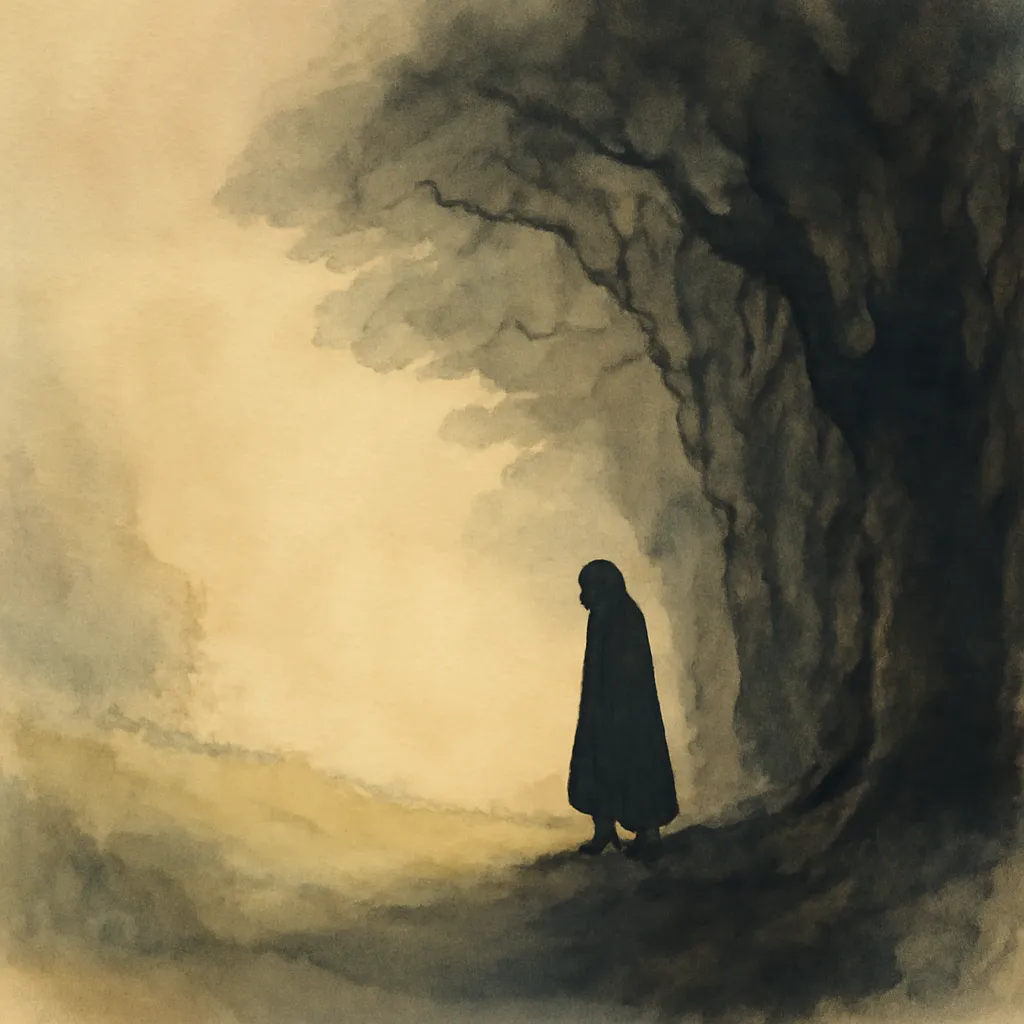
Clouston employs vivid imagery to create a stark contrast between light and darkness throughout the narrative, symbolizing the duality of human nature. The atmospheric descriptions of the moors, the train journey, and the characters' emotional landscapes evoke a sense of foreboding and mystery. This interplay serves to heighten the tension and suspense, drawing readers deeper into the story. The author uses light and darkness not only to enhance the mood but also to reflect the internal struggles of the characters. Rattar's stoic demeanor is often juxtaposed against moments of vulnerability, illustrating the complexities of human emotion. This symbolic use of light and darkness enriches the narrative, adding depth to the exploration of morality and identity. Clouston’s imagery invites readers to immerse themselves in the emotional landscape of the story, prompting reflection on the multifaceted nature of human experience and the coexistence of hope and despair.