Romance · Fiction · Short Reads
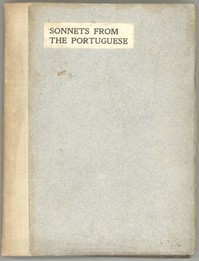
Sonnets from the Portuguese by Elizabeth Barrett Browning — Summary, Key Ideas & Full Text
18 pages45 chapters22 min read16 min speed read✦ 10-min Big ideasFree · no account
Rate it
Elizabeth Barrett Browning's 'Sonnets from the Portuguese' illuminates love's profound capacity to transform and transcend the boundaries of human experience
In 'Sonnets from the Portuguese', Elizabeth Barrett Browning invites readers into the intimate and turbulent landscape of her heart, exploring the transformative power of love through a sequence of 44 sonnets dedicated to her beloved Robert Browning. Written during a time of personal turmoil and societal constraints, these poems reflect the journey from isolation and despair to connection and joy. Browning articulates the complexities of emotion, revealing how love can bring both ecstasy and anguish. Readers will encounter rich imagery, profound reflections, and a deep sense of longing, all woven together to celebrate the redemptive nature of love. This collection serves not only as a personal testament to the power of love but also as a universal exploration of its ability to uplift and transform the human spirit.
Elizabeth Barrett Browning's 'Sonnets from the Portuguese' is a profound exploration of love that transcends the personal to touch on universal themes of longing, vulnerability, and connection. Through her evocative poetry, Browning captures the complexity of love, revealing its duality of joy and sorrow, its transformative power, and its spiritual dimensions. The collection serves as a reminder of the enduring nature of love, urging readers to reflect on their own relationships and the legacies they create. In a world where love often feels fleeting, Browning's work stands as a testament to the profound impact that love can have on our lives, inviting us to embrace its full spectrum and cherish the connections we hold dear.
“The face of all the world is changed, I think, Since first I heard the footsteps of thy soul.”
“If thou must love me, let it be for nought Except for love’s sake only.”
“How do I love thee? Let me count the ways.”

Read Elizabeth Barrett Browning's work free on Lumina — the complete text plus an 8-minute summary and key ideas, no account needed