Fiction · Social life and customs · Table tennis players
The Booker Prize Anthology: The Man Who Won by Howard Jacobson — Summary, Key Ideas & Quotes
2000387 pages✦ 3-min Big ideas
Rate it
From the very beginning Oliver Walzer is a natural - at ping-pong. At sex, he is not a natural, being shy and frightened of women, but with tuition from Sheeny Waxman, his game improves.
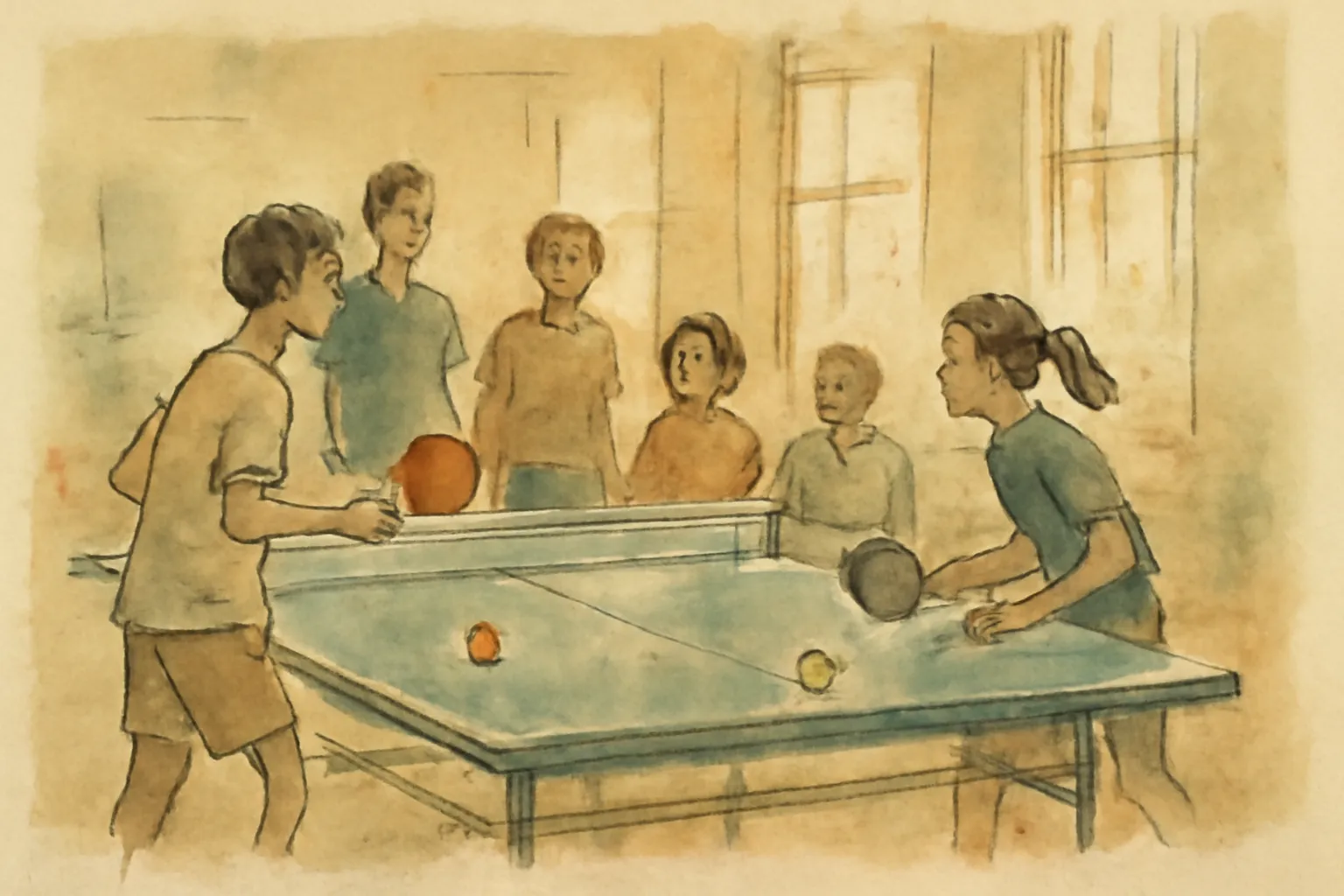
Jacobson uses Oliver’s prowess at ping-pong not just as a plot device, but as a metaphor for the ways we navigate life’s uncertainties and competitions. The game’s rhythms—its quick reflexes, its solitary focus, its moments of triumph and defeat—mirror Oliver’s attempts to find his place in the world. Through the ping-pong club, Oliver experiences belonging, rivalry, and the thrill of mastery, all of which shape his sense of self.
The novel shines in its comedic portrayal of adolescent insecurity, especially around sex and romance. Oliver’s shyness and fear of women are rendered with both empathy and humor, making his struggles universally relatable. Jacobson’s sharp observations capture the absurdities of teenage desire and the lengths to which young men go to overcome their anxieties.