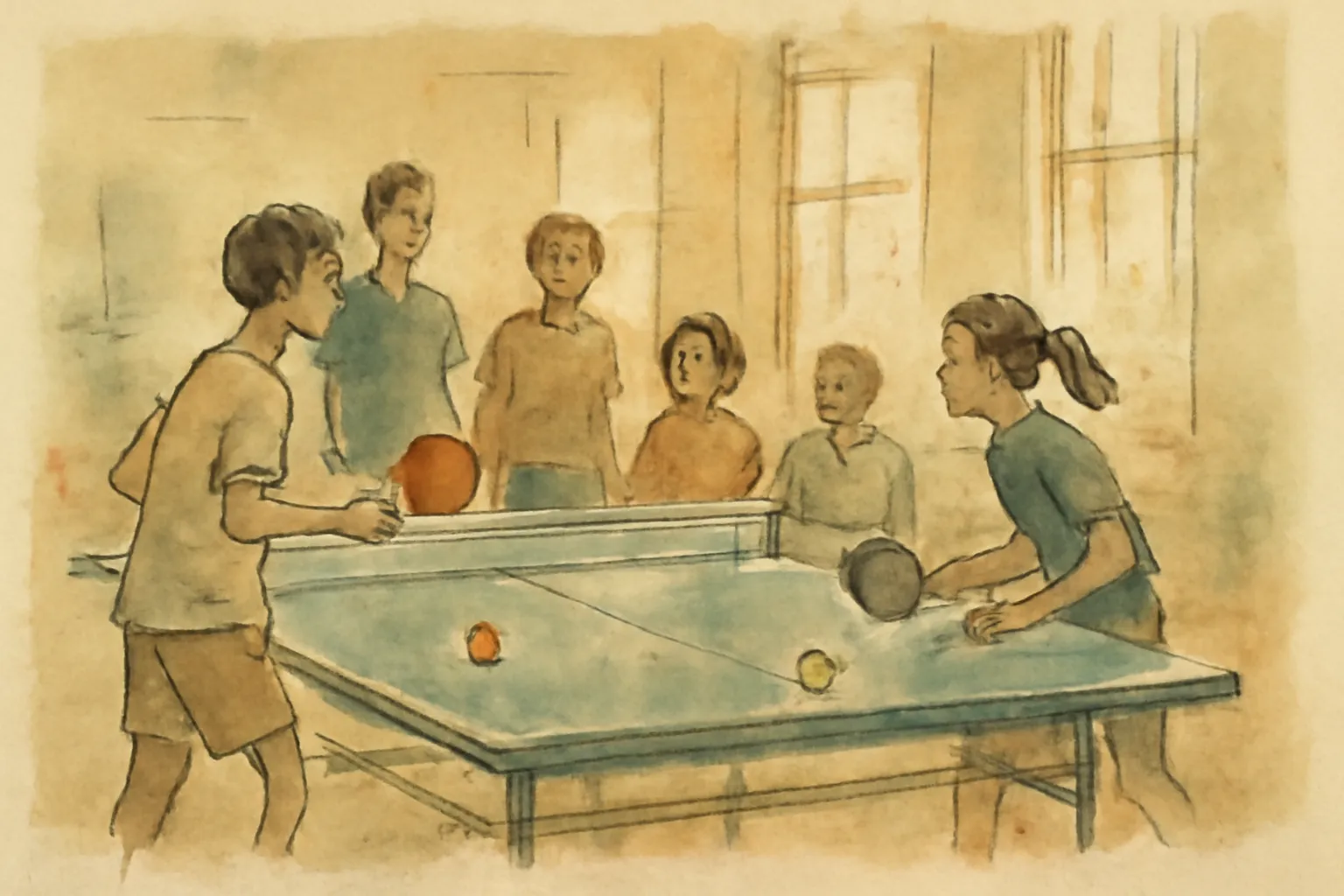
1.Ping-Pong as a Metaphor for Life
Jacobson uses Oliver’s prowess at ping-pong not just as a plot device, but as a metaphor for the ways we navigate life’s uncertainties and competitions. The game’s rhythms—its quick reflexes, its solitary focus, its moments of triumph and defeat—mirror Oliver’s attempts to find his place in the world. Through the ping-pong club, Oliver experiences belonging, rivalry, and the thrill of mastery, all of which shape his sense of self.
2.The Comedy of Awkward Adolescence
The novel shines in its comedic portrayal of adolescent insecurity, especially around sex and romance. Oliver’s shyness and fear of women are rendered with both empathy and humor, making his struggles universally relatable. Jacobson’s sharp observations capture the absurdities of teenage desire and the lengths to which young men go to overcome their anxieties.
3.Masculinity and Jewish Identity
Set within a Jewish community in postwar Britain, the story explores how masculinity is constructed and challenged. The ping-pong club becomes a crucible for young men grappling with expectations—both cultural and personal. Jacobson subtly interrogates what it means to be a man, especially when traditional models of masculinity feel out of reach or out of date.
4.Mentorship and Friendship
Sheeny Waxman, Oliver’s mentor, represents the transformative power of friendship and guidance. Through their relationship, the novel explores how older, more experienced figures can help the young navigate unfamiliar territory, whether in sport or romance. These bonds are depicted as both formative and fraught, highlighting the complexities of influence and admiration.
5.Memory, Nostalgia, and the Passage of Time
Jacobson’s narrative is suffused with nostalgia, reflecting on the bittersweet nature of growing up and looking back. The adult Oliver’s reflections on his youth invite readers to consider how memory shapes identity, and how the past continues to inform the present. The novel balances humor with a gentle melancholy, reminding us of the fleetingness of innocence and the inevitability of change.