
Fiction · Old age homes · Older people
The Booker Prize by Bernice Rubens — Summary, Key Ideas & Quotes
1997253 pages✦ 3-min Big ideas
Rate it
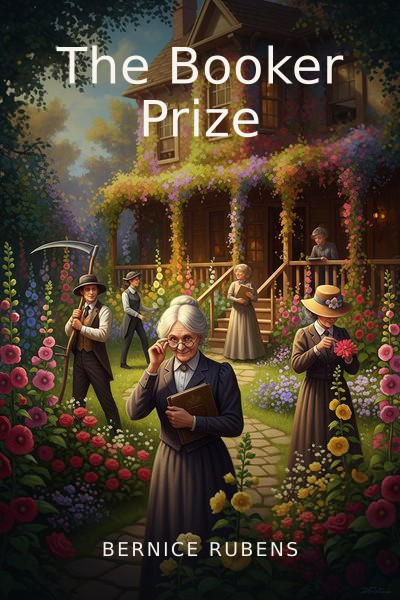
At "The Hollyhocks" old people's home, the inhabitants are "waiting for the scythe." As they do, Lady Celia runs a blackmail business on the side, Mr. Cross keeps a tally of residents' deaths, and Mrs. Bellamy decides she can't take it any more and slits her throat. Meanwhile, two newcomers also cause disturbance, as hidden pasts, unusual sexual preferences, and wickedly dark humor are mixed to delicious effect.
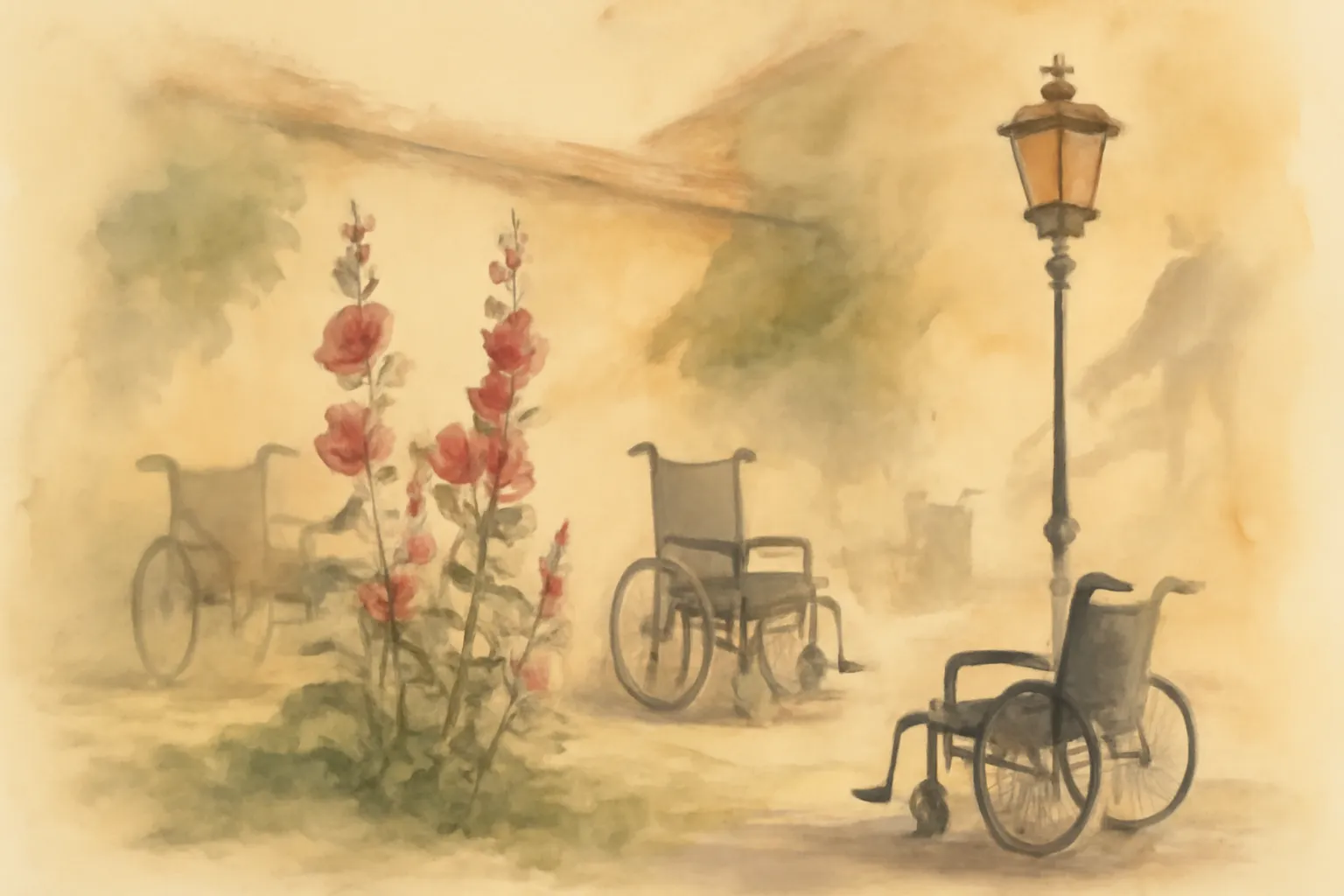
The Hollyhocks is a place where death is ever-present, but Rubens refuses to let it dominate the narrative with gloom. Instead, mortality becomes a backdrop for the characters’ ongoing dramas, obsessions, and schemes. The residents’ awareness of their impending ends doesn’t lead to resignation; rather, it provokes a final burst of life—sometimes desperate, sometimes hilarious, often both. This approach challenges readers to reconsider how the elderly are portrayed in fiction and in society, highlighting their agency, desires, and capacity for mischief.
Rubens’s characters are not sanitized elders; they are fully human, with all the flaws, appetites, and secrets of their younger selves. Lady Celia’s blackmail racket and the sexual undercurrents among the residents reveal that age does not erase ambition, lust, or duplicity. The novel refuses to sentimentalize old age, instead showing how personal vices and desires persist, sometimes even intensify, as life’s end draws near.