1.Death as a Backdrop, Not a Finale
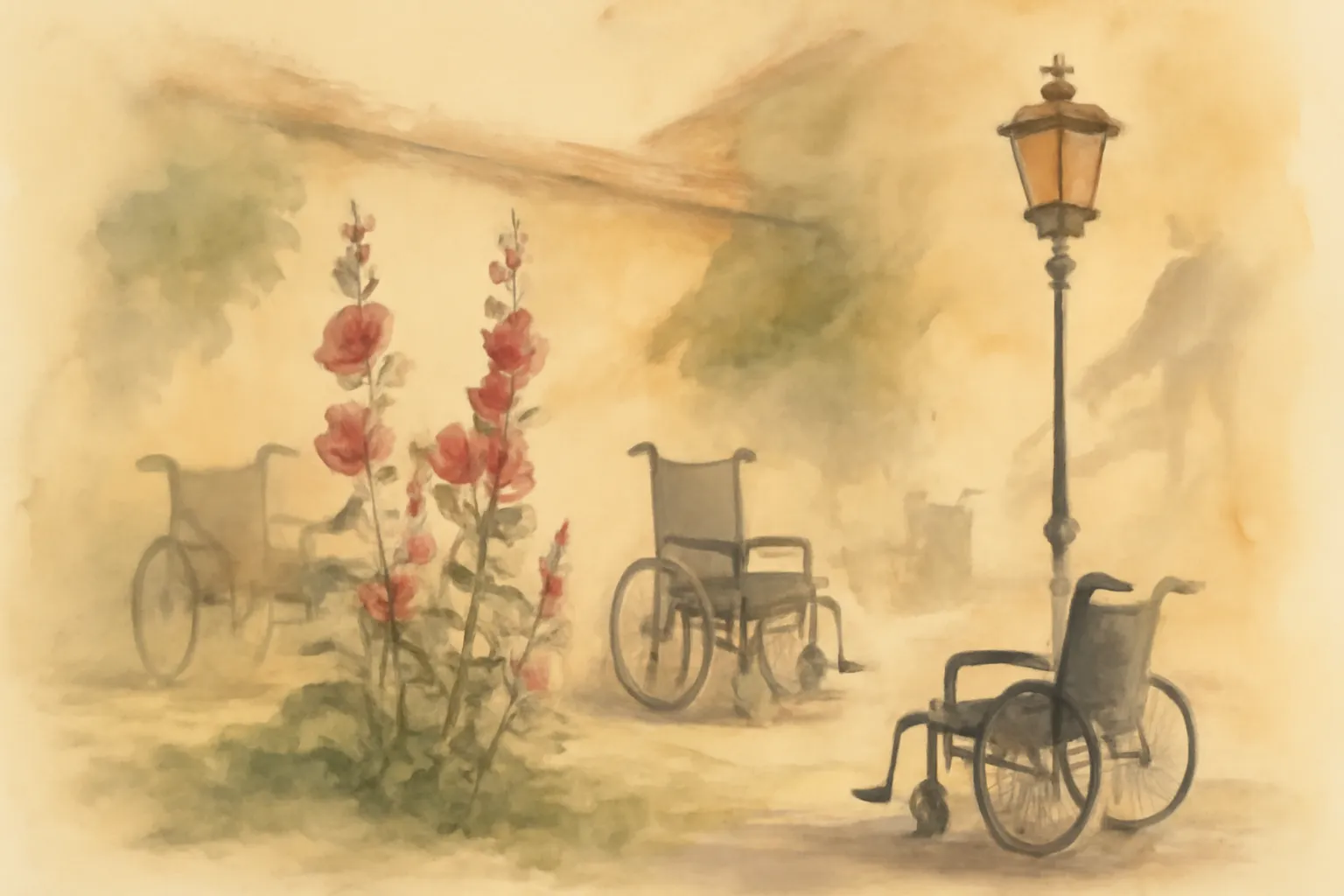
The Hollyhocks is a place where death is ever-present, but Rubens refuses to let it dominate the narrative with gloom. Instead, mortality becomes a backdrop for the characters’ ongoing dramas, obsessions, and schemes. The residents’ awareness of their impending ends doesn’t lead to resignation; rather, it provokes a final burst of life—sometimes desperate, sometimes hilarious, often both. This approach challenges readers to reconsider how the elderly are portrayed in fiction and in society, highlighting their agency, desires, and capacity for mischief.
2.The Persistence of Vice and Desire
Rubens’s characters are not sanitized elders; they are fully human, with all the flaws, appetites, and secrets of their younger selves. Lady Celia’s blackmail racket and the sexual undercurrents among the residents reveal that age does not erase ambition, lust, or duplicity. The novel refuses to sentimentalize old age, instead showing how personal vices and desires persist, sometimes even intensify, as life’s end draws near.
3.Dark Comedy as Survival Mechanism
Humor in 'The Booker Prize' is razor-sharp and often uncomfortable, serving as both a shield and a weapon. The residents use wit, sarcasm, and morbid jokes to cope with the indignities and fears of aging. Rubens’s dark comedy exposes the absurdities of institutional life and the ways in which laughter can be a last act of defiance against despair.
4.Secrets and the Masks We Wear
The arrival of two newcomers at Hollyhocks stirs up old secrets and unsettles the fragile equilibrium. Rubens explores how the past continues to haunt the present, and how people—regardless of age—construct elaborate facades to conceal their true selves. The novel suggests that the need for privacy, and the fear of exposure, never truly fade.
5.Society’s Margins and the Question of Dignity
By focusing on the elderly, Rubens spotlights a group often pushed to the margins of society. The novel interrogates how institutions strip individuals of dignity, and how the residents reclaim it through subversion, community, and small acts of rebellion. The depiction of institutional routines and power dynamics invites readers to reflect on how we treat those society deems expendable.
6.The Unpredictability of Human Nature
Despite the apparent predictability of life in a care home, Rubens delights in upending expectations. The characters’ actions—sometimes shocking, sometimes touching—underscore the irrepressible unpredictability of human nature. The novel suggests that, even in the shadow of death, people remain capable of surprise, transformation, and chaos.