fame · Fiction · psychological
The Candy House by Jennifer Egan — Summary, Key Ideas & Quotes
2022352 pages✦ 3-min Big ideas★ 4.8 (5)
Rate it
Linked short stories about a future where consciousness is uploadable, searchable and shareable, and humans are still humans despite everything.
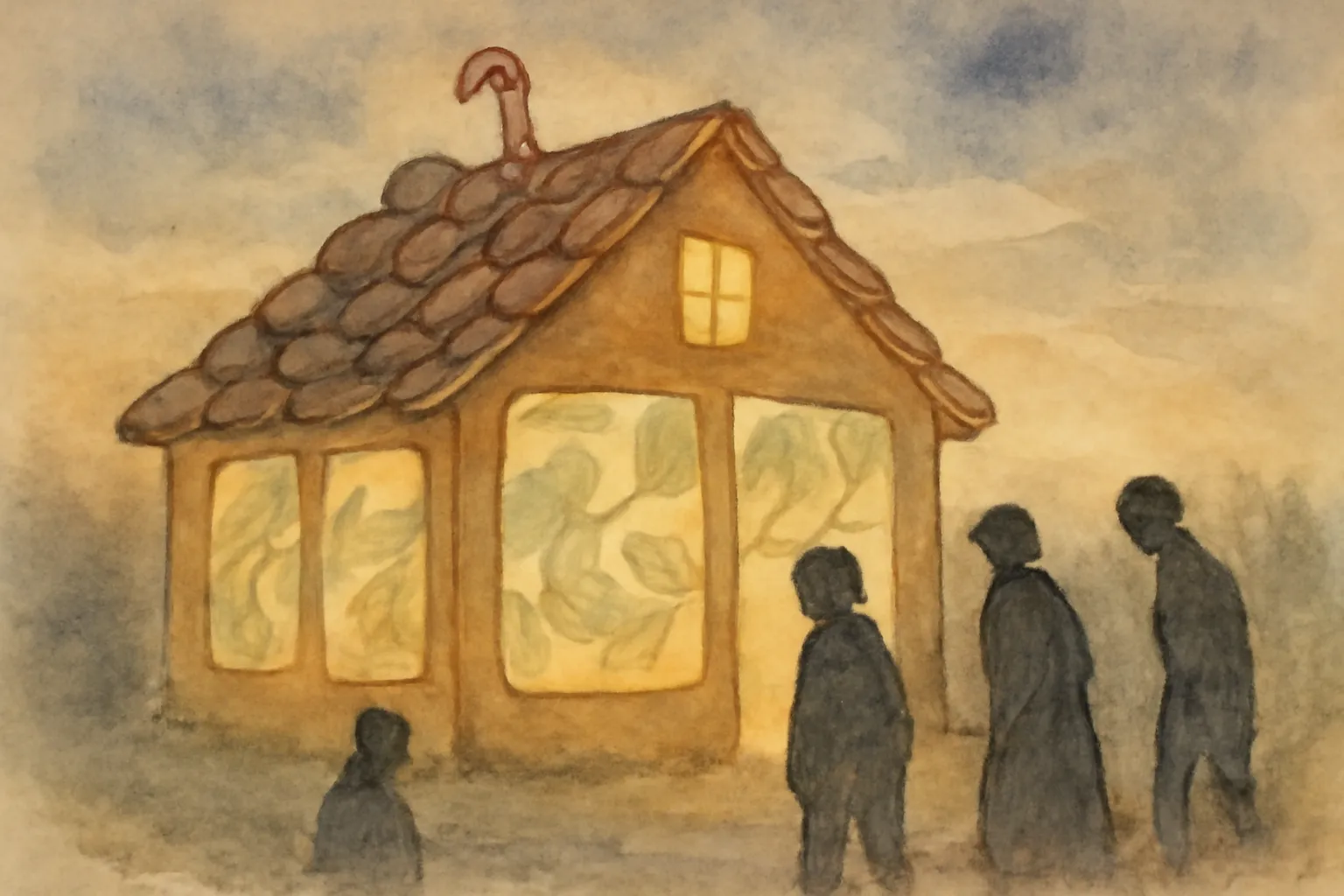
At the heart of The Candy House is Bix Bouton’s invention: 'Own Your Unconscious,' a technology that allows people to externalize and share their memories. This seductive promise of radical transparency upends privacy and identity, raising questions about what we gain—and lose—when our inner lives are no longer private. Egan probes the psychological and social consequences of living in a world where nothing is truly secret, and where the boundaries between self and society blur.
Egan treats memory as a double-edged sword: a source of meaning and connection, but also distortion and pain. Characters grapple with nostalgia, regret, and the unreliability of recollection. The ability to revisit or even edit one’s memories tempts some, but others resist, fearing the loss of authenticity or the pain of reliving trauma. The novel asks whether perfect recall is a blessing or a curse—and whether forgetting is sometimes necessary for growth.
“We can’t know each other, not really. But we want to.”
“The problem with the future is that it keeps turning into the present.”