1.The Allure and Cost of Total Transparency
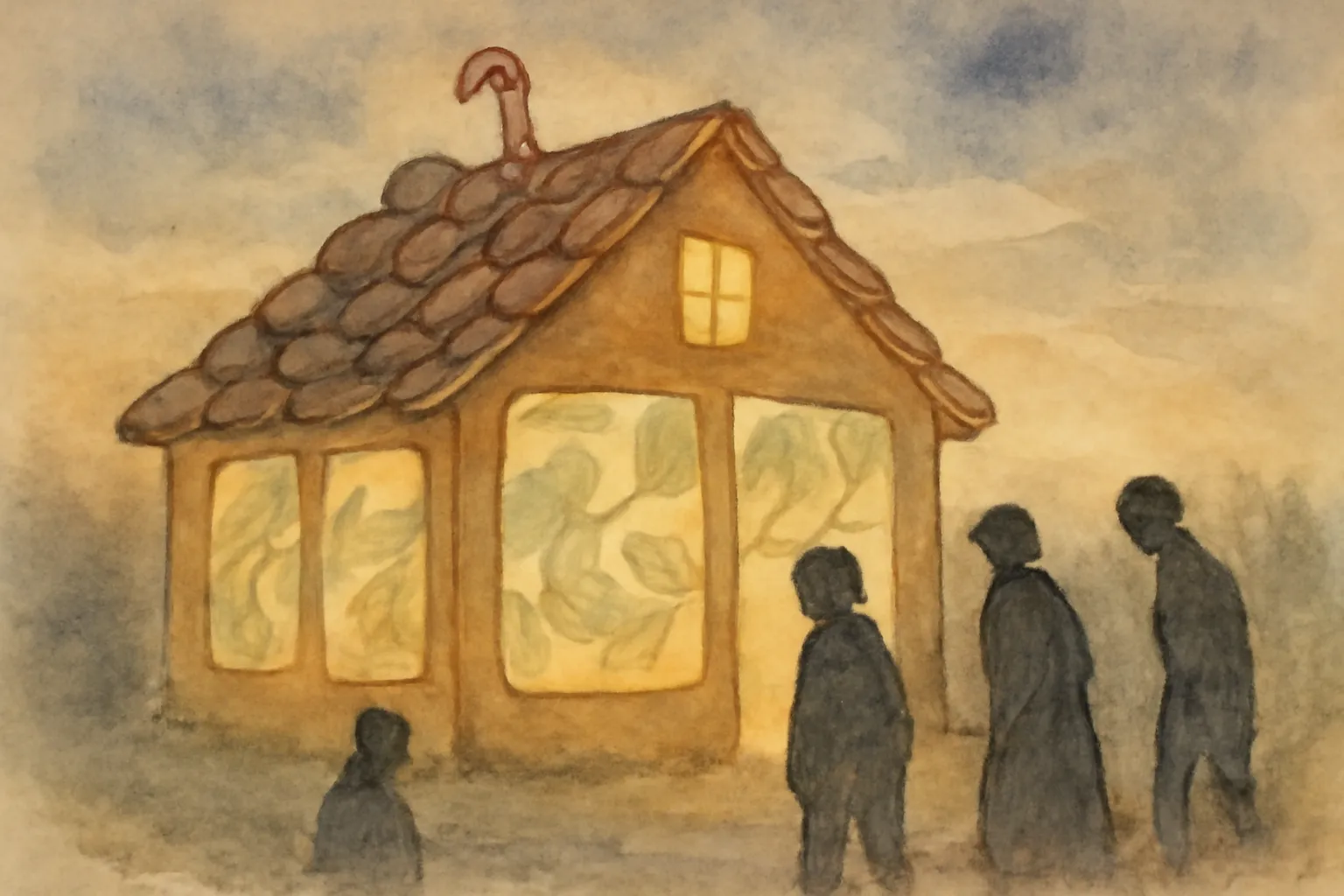
At the heart of The Candy House is Bix Bouton’s invention: 'Own Your Unconscious,' a technology that allows people to externalize and share their memories. This seductive promise of radical transparency upends privacy and identity, raising questions about what we gain—and lose—when our inner lives are no longer private. Egan probes the psychological and social consequences of living in a world where nothing is truly secret, and where the boundaries between self and society blur.
2.Memory as Both Treasure and Trap
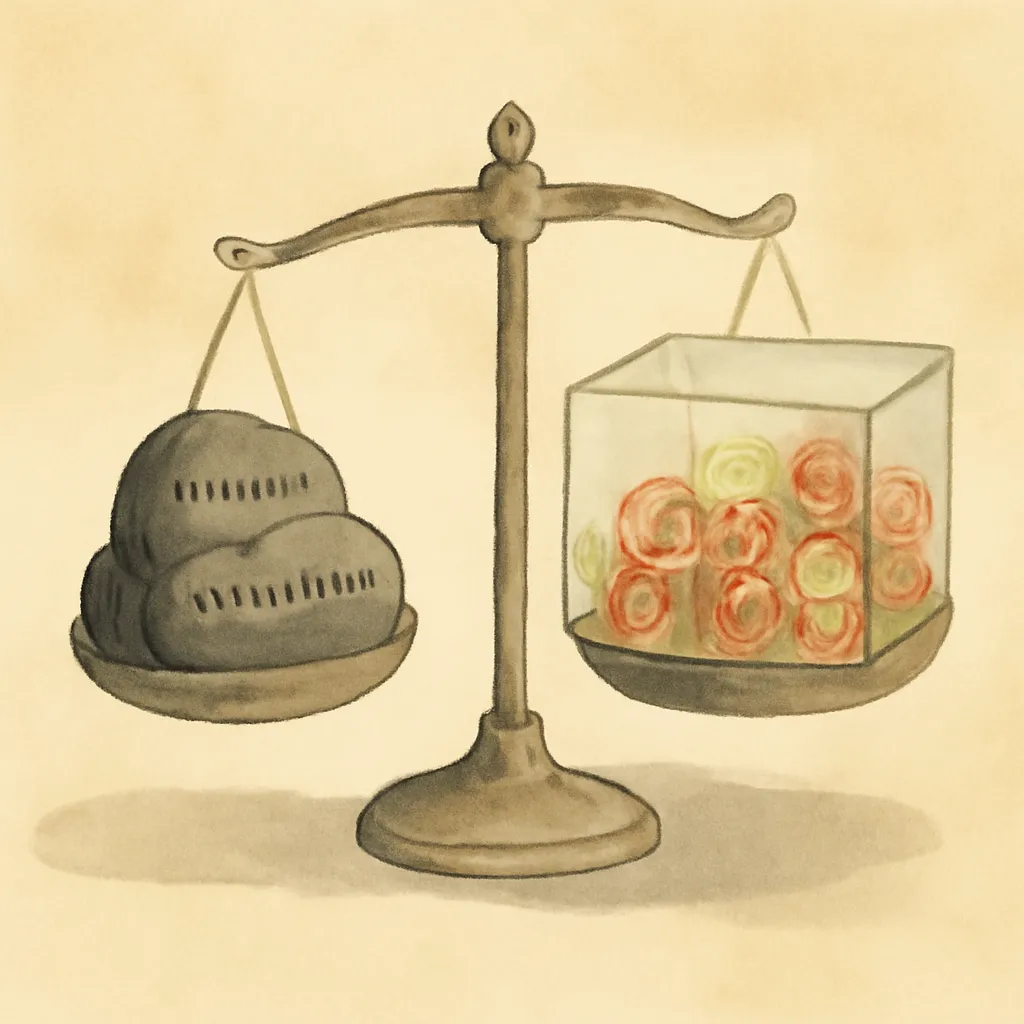
Egan treats memory as a double-edged sword: a source of meaning and connection, but also distortion and pain. Characters grapple with nostalgia, regret, and the unreliability of recollection. The ability to revisit or even edit one’s memories tempts some, but others resist, fearing the loss of authenticity or the pain of reliving trauma. The novel asks whether perfect recall is a blessing or a curse—and whether forgetting is sometimes necessary for growth.
3.Interconnectedness in a Fragmented World
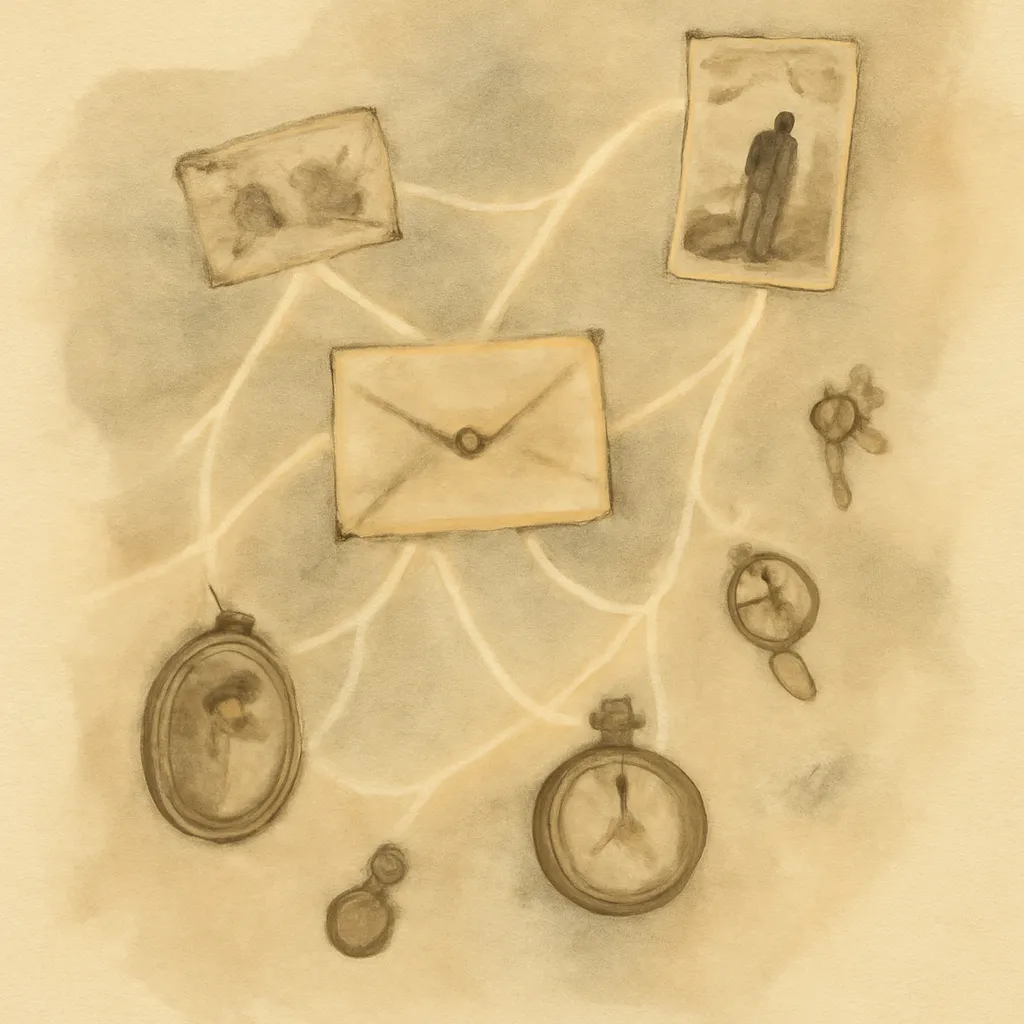
Structured as a mosaic of interlinked stories, The Candy House mirrors the networks it depicts. Characters’ lives intersect in surprising ways, revealing hidden connections across time, geography, and social strata. Egan suggests that even in a hyper-connected digital world, true understanding and empathy remain elusive, but the desire for connection is irrepressible. The book’s structure itself becomes a metaphor for the tangled web of human relationships.
4.Authenticity Versus Performance
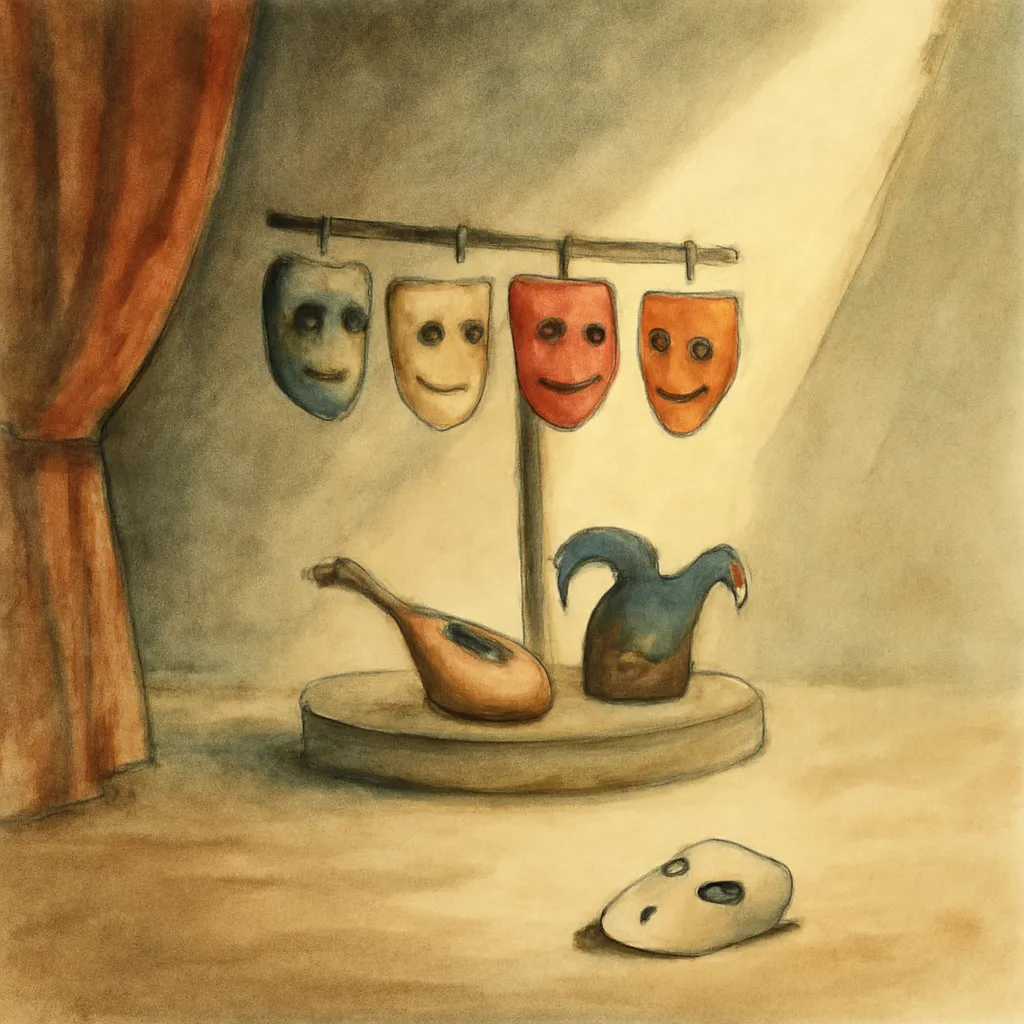
Many characters wrestle with the tension between their authentic selves and the versions of themselves they present to the world—especially when memories are public property. The pressure to curate one’s identity, or to escape it altogether, is intensified by technology. Egan explores how people perform for each other and themselves, and what is lost when performance overtakes genuine experience.
5.The Persistence of Human Longing
Despite its speculative premise, The Candy House is ultimately about timeless human desires: for love, belonging, understanding, and meaning. Egan’s characters are often searching—for lost family, artistic fulfillment, or simple connection. The novel suggests that, regardless of technological advances, these fundamental yearnings endure, shaping our choices and relationships.
6.The Ethics of Technology and Surveillance
Egan doesn’t shy away from the darker implications of her imagined technology. Issues of consent, exploitation, and surveillance loom large, as corporations and individuals alike wrestle with the power to access and manipulate others’ minds. The book invites readers to consider who controls technology, who benefits, and who is left vulnerable.