
fictional works · Runaway teenagers · Fiction
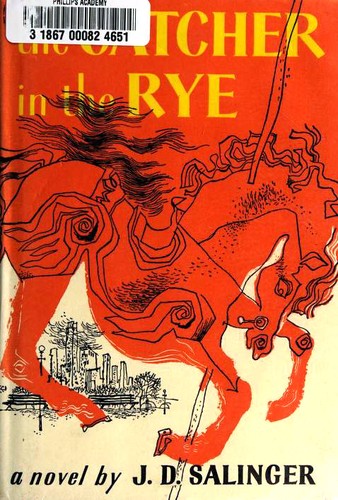
The Catcher in the Rye by J. D. Salinger, Shao jia yun — Summary, Key Ideas & Quotes
1945240 pages✦ 3-min Big ideas★ 3.6 (397)
Rate it
Story of Holden Caufield with his idiosyncrasies, penetrating insight, confusion, sensitivity and negativism. Holden, knowing he is to be expelled from school, decides to leave early. He spends three days in New York City and tells the story of what he did and suffered there.
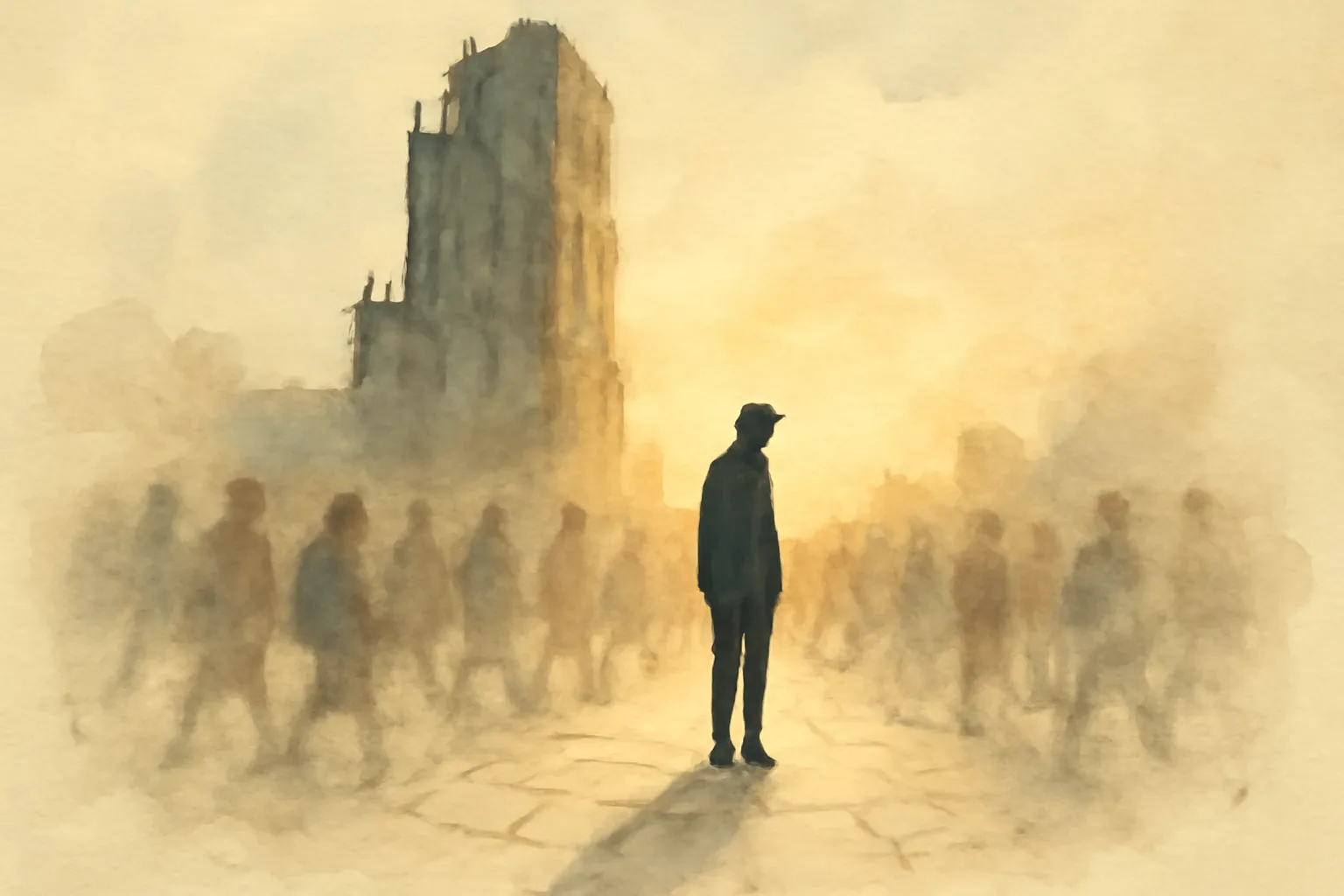
Holden Caulfield’s pervasive sense of alienation isn’t just a symptom of teenage angst—it’s his shield against a world he finds overwhelming and insincere. He distances himself from others, labeling them 'phonies,' but this is also a defense mechanism to avoid vulnerability and disappointment. The novel explores how isolation can be both a comfort and a curse, leaving Holden lonely but also safe from the pain of genuine connection.
Holden’s journey is a meditation on the loss of innocence and the inevitability of growing up. He is haunted by the idea that adulthood means compromise and hypocrisy, and he clings to memories of his younger brother and the innocence of childhood. The novel captures the fear and sadness that come with leaving behind the simplicity of youth for the complexities of adult life.
“The mark of the immature man is that he wants to die nobly for a cause, while the mark of the mature man is that he wants to live humbly for one.”
“Don’t ever tell anybody anything. If you do, you start missing everybody.”
“I’m always saying ‘Glad to’ve met you’ to someone I’m not at all glad I met. If you want to stay alive, you have to say that stuff.”
“People never notice anything.”
“It’s funny. Don’t ever tell anybody anything. If you do, you start missing everybody.”